

Description
African experimental brings together music by African artists ranging from beatless ambient soundscapes to fast, abrasive electronic dance music. The name comes from Every Noise at Once and a Spotify playlist, with scant published discussion.
Much of the music is instrumental and electronically produced. Synthesizer pads and stabs, deep bass drones and noise sweeps shape spacious tracks, often with wide stereo effects and deep reverb. Some pieces drift without a steady beat, with sustained chords and gradual changes in texture; others drive forward on distorted, mechanical dance rhythms with metallic snares or claps and hi-hats. Harsh, dissonant sounds and heavy saturation can make the music feel tense or intense, while quieter passages are serene and meditative.
Ambient and drone offer useful points of reference for the slower, more atmospheric music. The faster pieces can move toward industrial techno, emphasizing repetition, impact and distorted sound design. Voices are uncommon and, when present, may be used as brief sounds rather than conventional lead singing. Track titles range from English phrases such as “Space of Uncertainty” to titles in Ethiopic script, as on Ethiopian Records’ “Megbiya / መግቢያ.” Many releases associated with the playlist date from the late 2010s and early 2020s.
Based on: Every Noise at Once, Spotify's genre tags and playlist

Mdou Moctar - Tarhatazed (Live on KEXP)
KEXP
Sphinx - Arma ( 1989 South Africa Experimental /Tribal Dark Ambient )
Dronemf S.
Build a texture
Start with the sustained tones of ambient and drone: layer synthesizer pads or low bass notes, then change their color gradually with filtering, noise and slow swells. Use wide stereo placement and long reverb to create a sense of space, leaving room for sounds to decay.
Choose a rhythmic direction
A piece can remain beatless, with slow chord changes carrying its movement. For a more forceful track, build a fast, steady electronic kick pattern and add metallic snares or claps and hi-hats. Distort or saturate the drums and synths for a harsher, mechanical character.
Shape the details
Experiment with dissonance, pitch movement and noise instead of relying on a conventional melody. Keep vocals absent or use short vocal sounds as part of the texture. Contrast dense, compressed passages with more open, reverberant ones.
KANYE WEST X EXPERIMENTAL TYPE BEAT - "AFRICA"
Encore
How to make experimental Afrobeats like rvmen..#afrobeats #alte #flstudio
rvmen

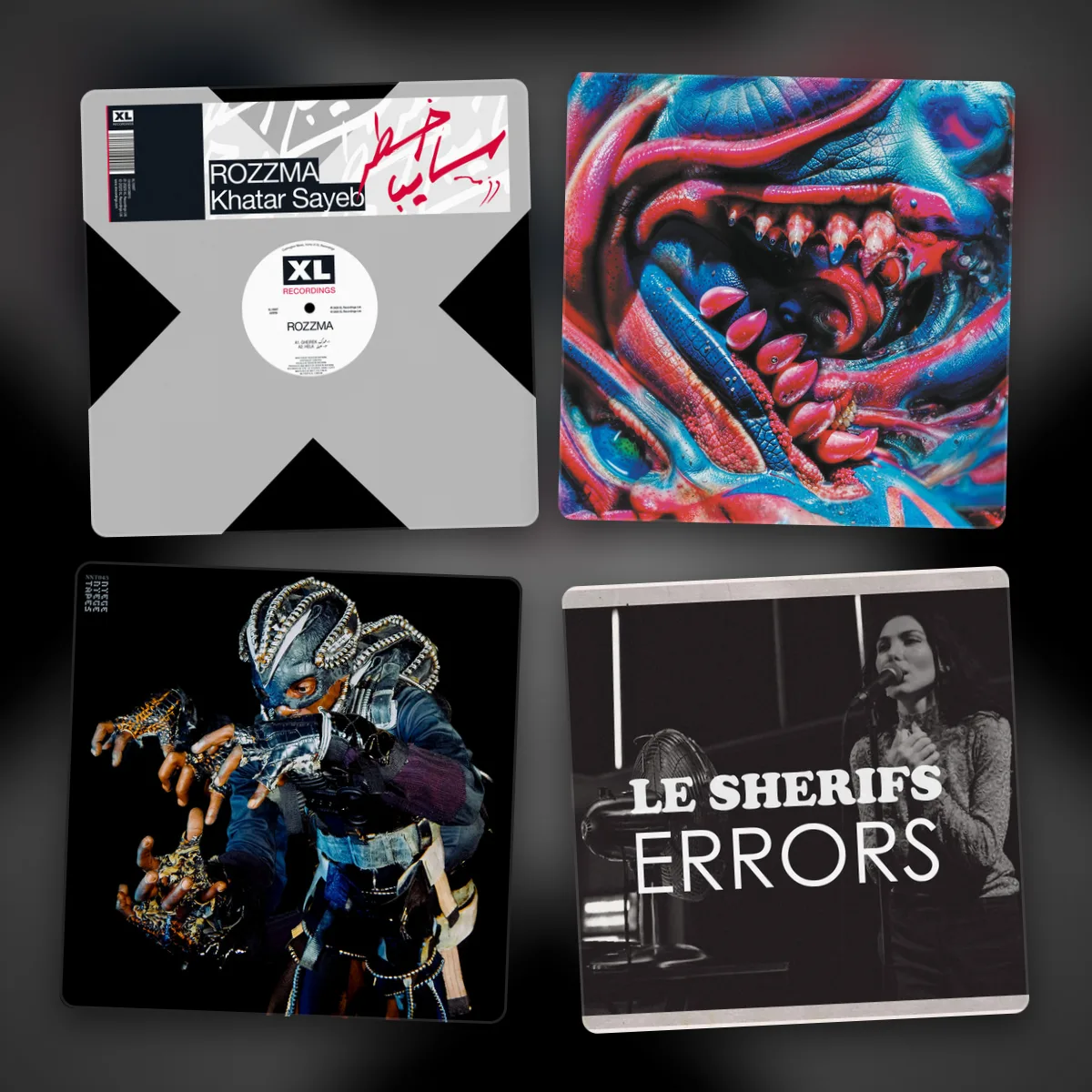
Top albums




Best playlists


Other similar genres
Genres sharing the most artists with African Experimental

