Description
Akishibu-kei is a Japanese pop-oriented trend in anime-related music that blends the chic, retro-pop collage of Shibuya-kei with Akiba-kei’s otaku-centric sensibilities.
Typically, it marries breezy bossa/jazz-inflected harmonies, cut-and-paste sampling, and French-pop nostalgia with bright, idol-like vocals and anime tie-in songwriting. The result is an approachable, stylish sound that feels both metropolitan and fandom-focused—equally at home in a Shibuya boutique and an Akihabara record shop.
While not a rigid genre, the label highlights a 2000s moment when Shibuya-kei aesthetics noticeably permeated anime openings/endings and character songs.
More on: Wikipedia, Rate Your Music, MusicBrainz, Wikidata

The Genre that Re-Defined Japanese Pop Music - Shibuya-Kei
Stained Glass Stories
History
Origins (late 1990s–2000s)
Akishibu-kei emerged in the 2000s as anime producers and artists began importing the suave eclecticism of 1990s Shibuya-kei into TV anime themes and related releases. The term itself fuses “Shibuya-kei” (fashionable, crate-digging pop rooted in 60s/70s lounge, bossa, and French ye-ye) and “Akiba-kei” (Akihabara’s otaku culture, character songs, and denpa/otaku pop scenes), pointing to a cultural and musical convergence.
Consolidation via Anime Tie-ins
As anime openings/endings sought distinctive pop signatures, arrangers adopted Shibuya-kei’s jazz chords, light breakbeats, vibraphone/strings, and sample-savvy production, pairing them with cute, catchy toplines suited to character branding. Labels and production committees encouraged this hybrid because it appealed to both fashion-forward listeners and anime fandoms.
Legacy and Ongoing Influence
Although loosely defined, Akishibu-kei normalized Shibuya-kei flavors within anison (anime songs), paving the way for later fusions with Vocaloid scenes, bedroom-pop aesthetics, and fan-tagged “otacore” listening habits. Its DNA still surfaces in contemporary anime pop that favors airy harmonies, retro instrumentation, and boutique-minded sound design.
Aesthetic & Harmony
• Start with Shibuya-kei palettes: major-key brightness, extended jazz/bossa chords (maj7, 9ths, borrowed ii–V turnarounds), and light modulations.
• Keep melodies concise, hook-driven, and singable by an idol-style voice—often sweet, breathy, and upfront.
Rhythm & Groove
• Favor mid-to-up tempos (110–140 BPM) with gentle four-on-the-floor, light breakbeats, or bossa/Latin-inflected patterns.
• Use handclaps, shaker, and tight, dry drums to retain pop immediacy.
Instrumentation & Texture
• Combine retro instrumentation (vibraphone, strings, harpsichord, Rhodes, flute) with modern pop tools (bright synths, sampled vinyl bits, subtle sidechain).
• Add small ear-candy details—gliss strings, toy percussion, sampled radio IDs—to evoke boutique Shibuya-kei flair within an anime frame.
Lyrics & Concept
• Write character- or series-aware lyrics: youthful romance, city snapshots, wistful nostalgia, or playful otaku references. Keep lines compact and slogan-like for OP/ED memorability.
Arrangement & Production
• Intro hooks within 5–10 seconds, quick first chorus, and a compact bridge. Balance glossy pop loudness with airy headroom so retro parts breathe.
• Visual alignment matters: color palettes, typography, and MV/storyboard cues that connect fashion-forward Shibuya chic with Akiba culture.

Top Akishibu-Kei tracks
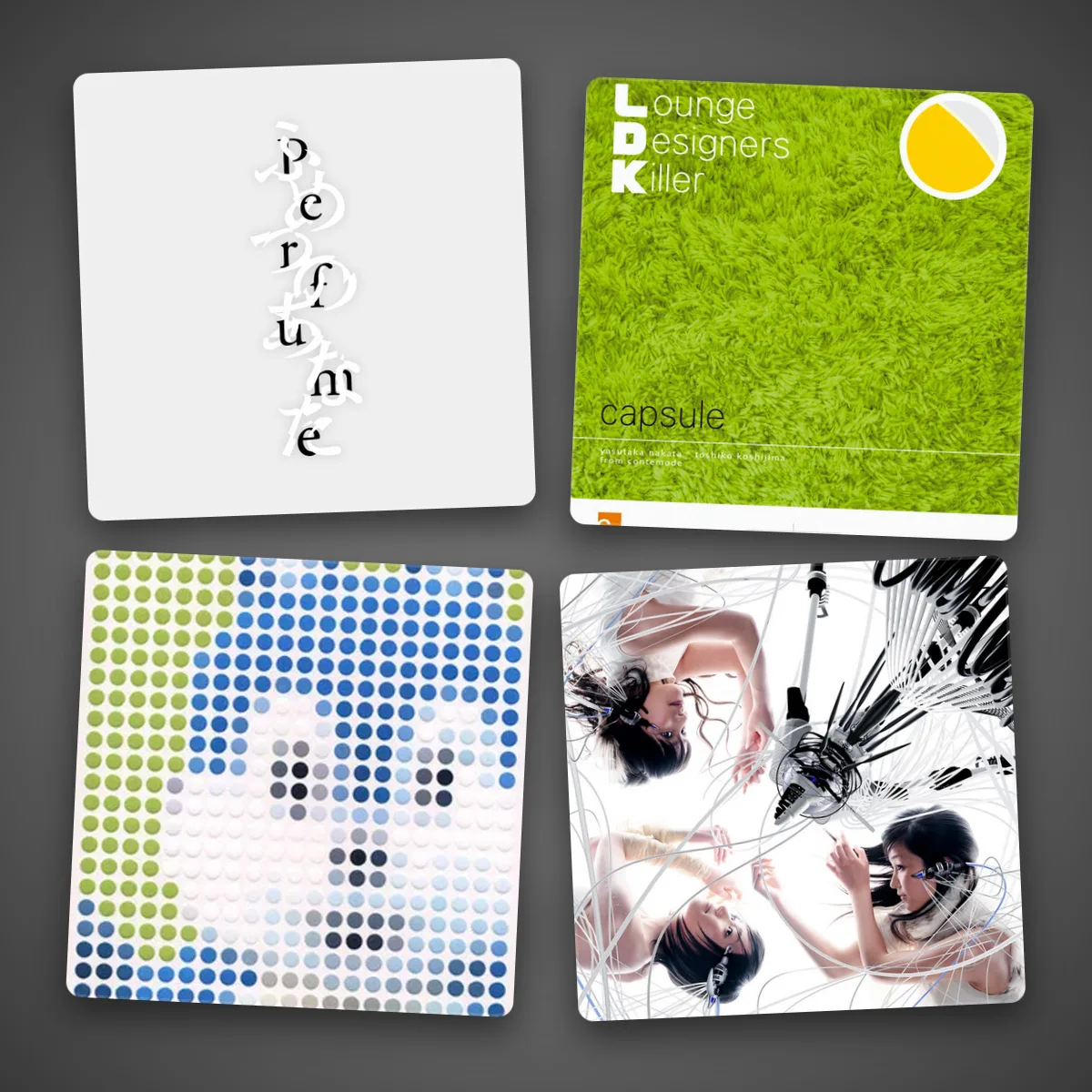
- Listen to エレクトロ・ワールド - Album-mix by Perfumeエレクトロ・ワールド - Album-mixPerfume · Perfume~Complete Best~, 2006
- Listen to スマイリーを探して by Serani Pojiスマイリーを探してSerani Poji · ワンルームサバイバル, 2002
- Listen to Groovin' Magic by ROUND TABLE featuring NinoGroovin' MagicROUND TABLE featuring Nino · Nino, 2006
- Listen to Who Are You? by GIRLS BEWho Are You?GIRLS BE · フレンチ大作戦, 1997
- Listen to レイテンシーガール by フレネシレイテンシーガールフレネシ · ゲンダイ, 2012
- Listen to My Star by Sonic Coaster PopMy StarSonic Coaster Pop · future electro star, 2001
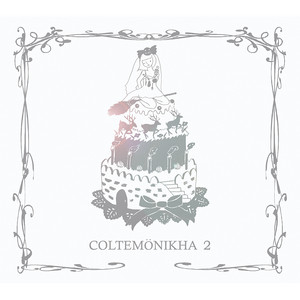
- Listen to SLEEPING girl by COLTEMONIKHASLEEPING girlCOLTEMONIKHA · COLTEMONIKHA 2, 2007
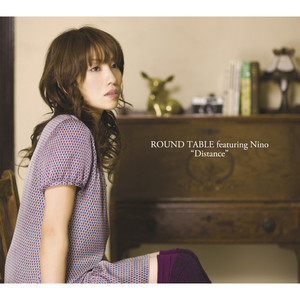
- Listen to Sayonara by ROUND TABLE, NinoSayonaraROUND TABLE, Nino · Distance, 2008
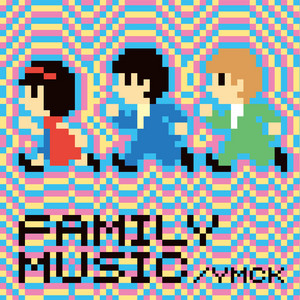
- Listen to Magical 8bit Tour by YMCKMagical 8bit TourYMCK · FAMILY MUSIC, 2004
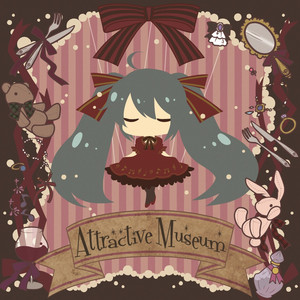
- Listen to on the rocks by OSTER projecton the rocksOSTER project · Attractive Museum, 2014




Top albums






Best playlists
Akishibu-Kei
Melodigging

Akishibu-kei
Claire

My Favorite Akishibu-kei Songs
dcho
渋谷系アニソン(アキシブ系)
moda

【Shibuya-kei 31songs】萌え踊りCafé de 聴く、まったりアキシブ系 mix(笑)
kill-her
Influenced by


Has influenced

Other similar genres
Genres sharing the most artists with Akishibu-Kei