Description
Alt Z is a broad label for alternative-leaning pop associated with Generation Z and contemporary listening patterns. Its music is often melodic and moody, combining indie-pop sensibilities with elements of bedroom pop, emo-rap and lo-fi production. Electronic, rock, R&B and hip-hop influences may also appear, while lyrics often explore personal feelings or contemporary concerns.
The label encompasses contrasting sounds rather than a single fixed formula: songs can be sad yet upbeat, airy yet rhythmically driven. One commentator has questioned whether the artists grouped under Alt Z share a sufficiently distinct musical identity, while the term’s creator intended it to describe a cluster that felt both alternative and Gen Z-oriented.
Based on: cantgetmuchhigher.com, musicpiechart.com, thisisimportant.net, distractify.com
More on: Every Noise at Once
History
A listening-based label
Alt Z grew out of an effort to distinguish a group of artists within the much broader indie-pop category. Its creator chose the name to capture what they heard as an alternative sound with a Generation Z character. The label is associated with a way of grouping music according to collective listening patterns rather than with a clearly defined traditional genre.
Recognition and debate
Alt Z appeared on many listeners’ Spotify Wrapped playlists in 2022. Its visibility helped draw attention to the label, but its boundaries have also been disputed: one commentator found considerable stylistic differences among artists grouped under it and questioned how useful the generational description was.
Build a melodic foundation
Start with a memorable pop melody and a compact chord progression, then give it an alternative or indie-pop character through your choice of textures and arrangement. Aim for an emotionally shaded atmosphere rather than a uniformly bright one; an airy vocal or soft instrumental layer can coexist with a more active rhythm.
Shape the production
For a bedroom-pop approach, you could use intimate vocals, restrained layers and deliberately rough or lo-fi textures. Draw on electronic beats, rock instrumentation or hip-hop-influenced rhythms as suits the song, rather than trying to include every influence at once. Keep enough space in the mix for the melody and vocal delivery to remain prominent.
Write and arrange around a feeling
Use lyrics to explore a specific emotional situation or a topic that feels relevant to contemporary life. Contrast a reflective verse with a more energetic refrain, or place a vulnerable lyric over an upbeat groove. Let the production support that tension between introspection and movement.

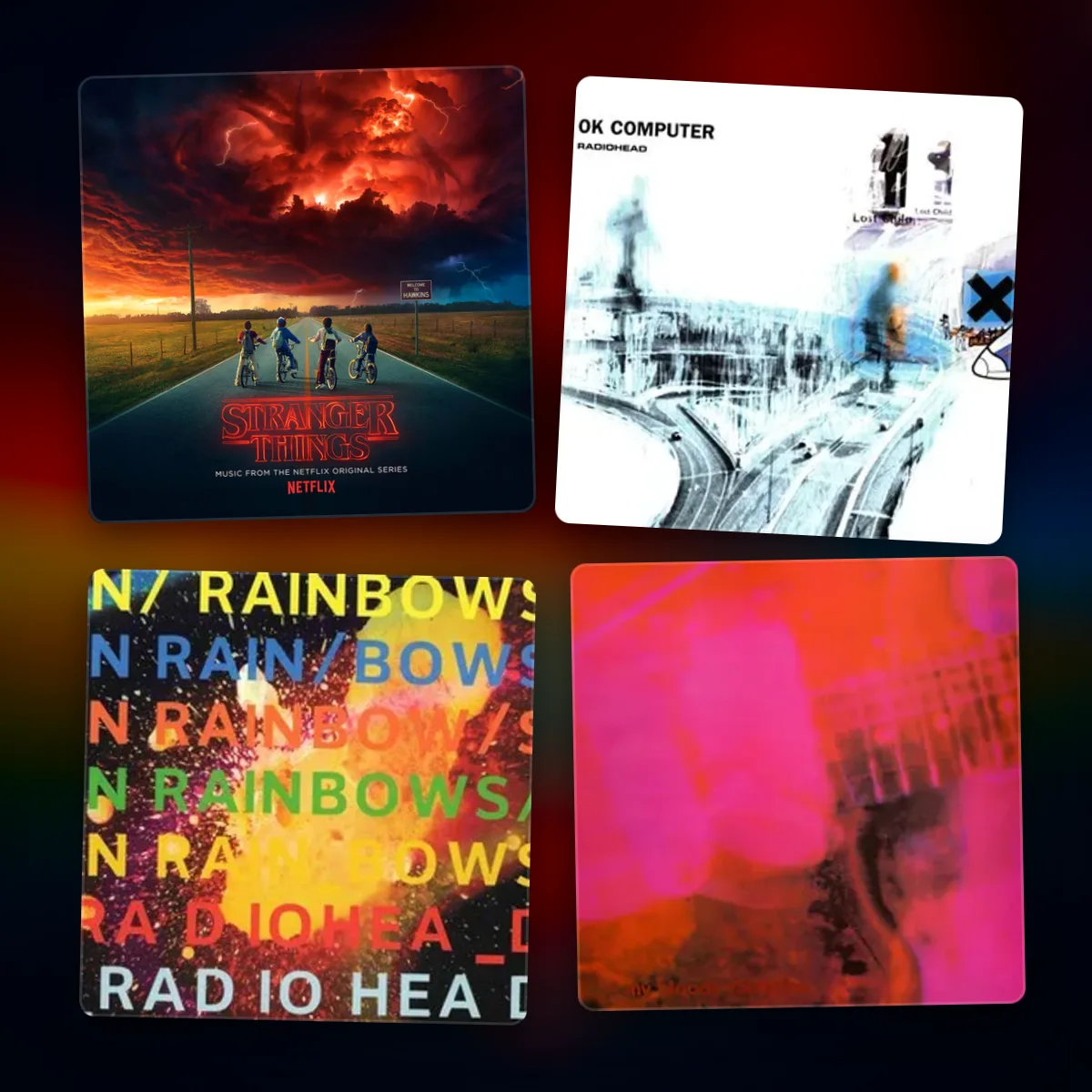
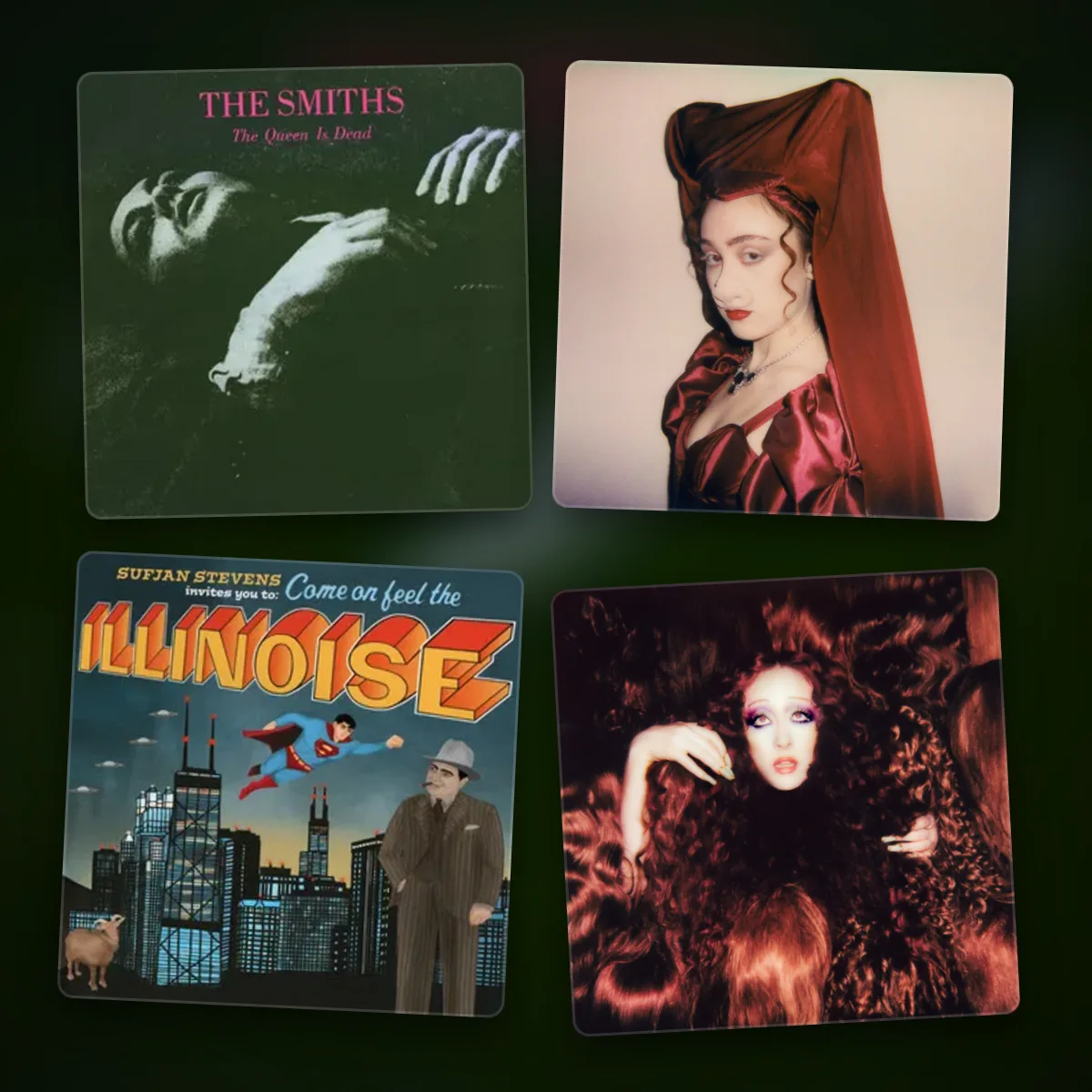
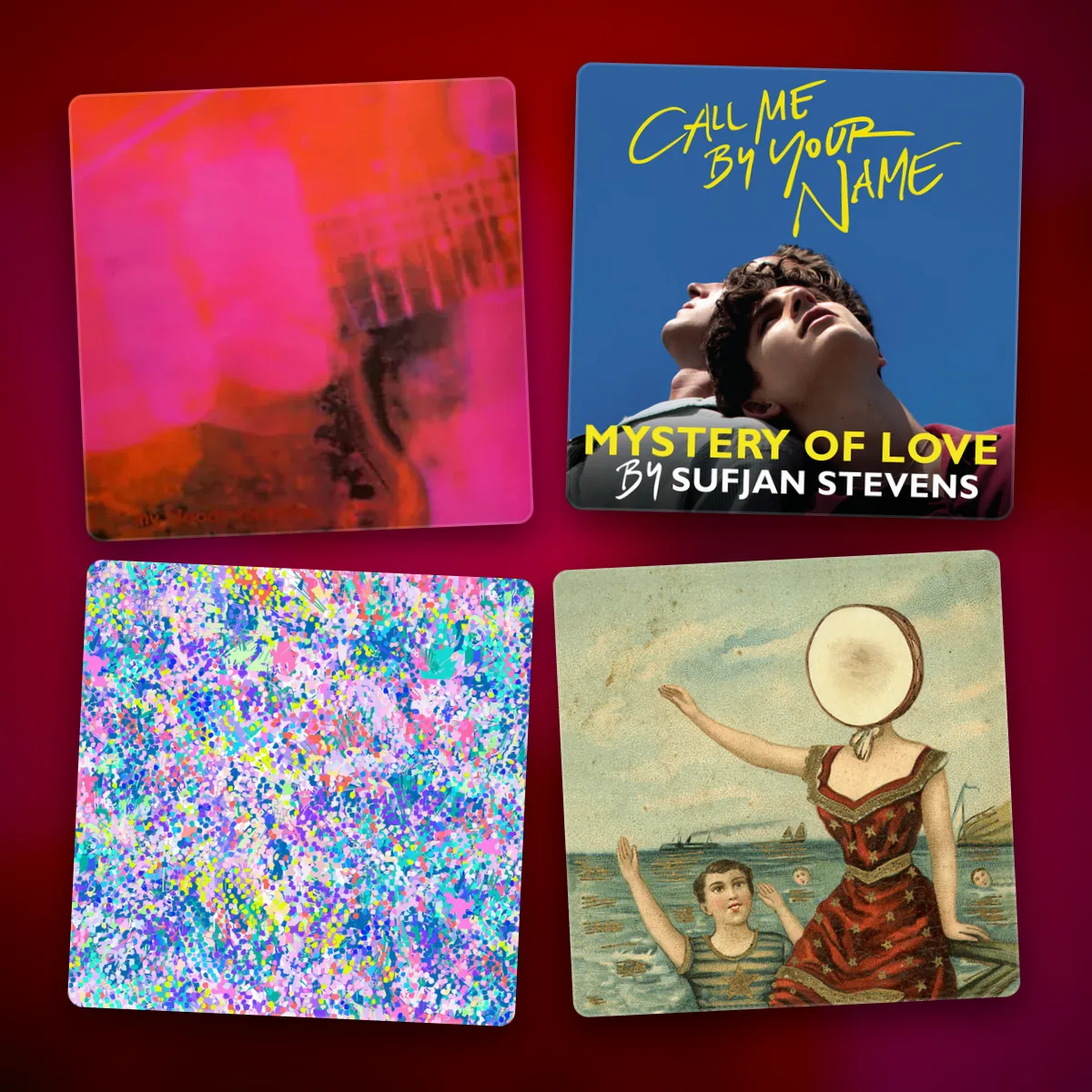
Top albums



Best playlists

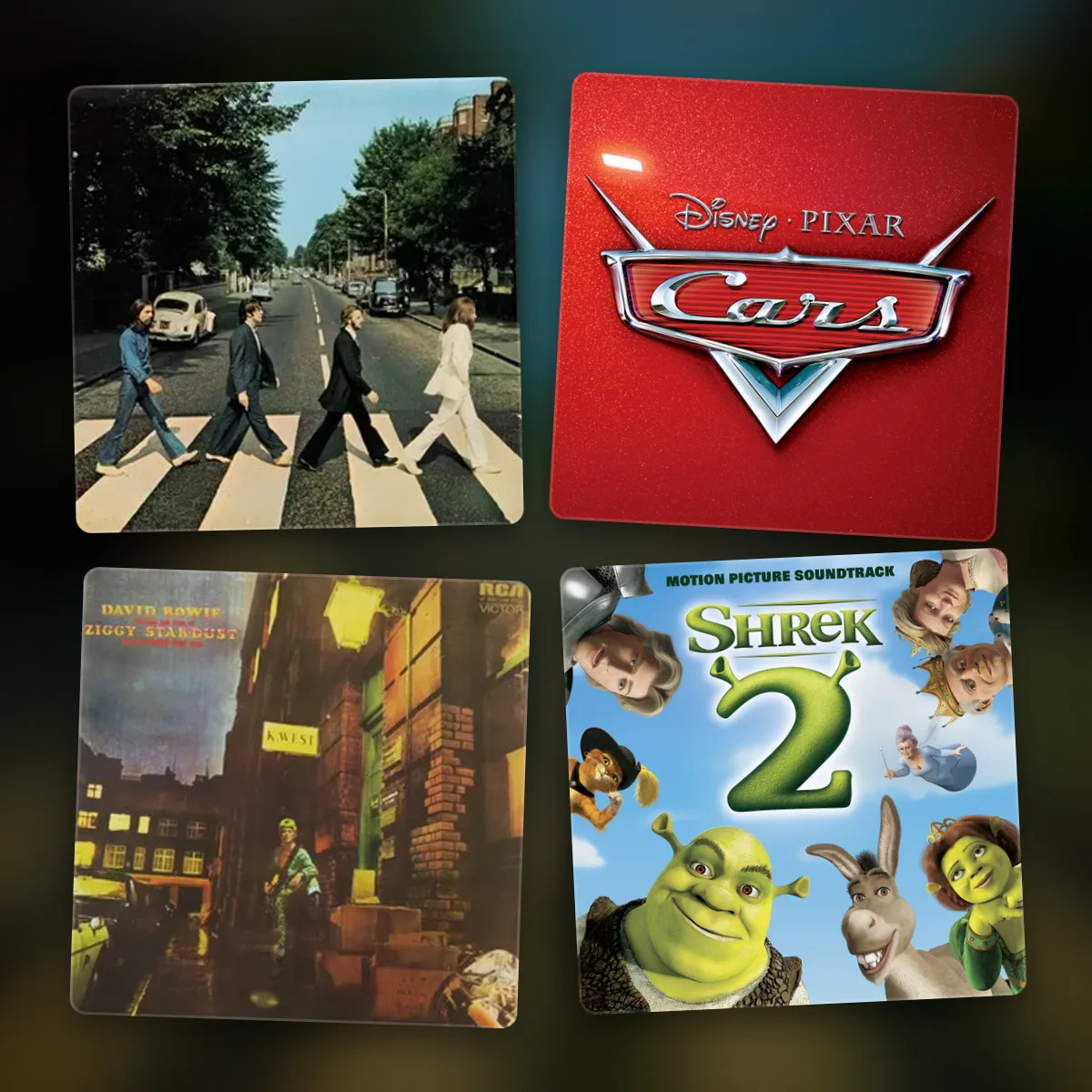
Influenced by



Other similar genres
Genres sharing the most artists with Alt Z