Description
Fast, confrontational guitar music drives much of alternative hardcore, with distorted power chords, pounding drums and shouted English-language vocals. The term is used by Every Noise at Once, a map of Spotify’s genres, and The Sounds of Spotify’s playlist “The Sound of Alternative Hardcore”; writing devoted to it is scarce.
The music often runs on rapid kick and snare patterns, crashing cymbals and tightly synchronized stops, then drops into heavier, slower-feeling breakdowns. Overdriven bass thickens the guitar sound, while backing shouts give some songs a collective, forceful edge. The production is generally loud, dense and distorted, ranging from raw, noisy mixes to more tightly controlled recordings.
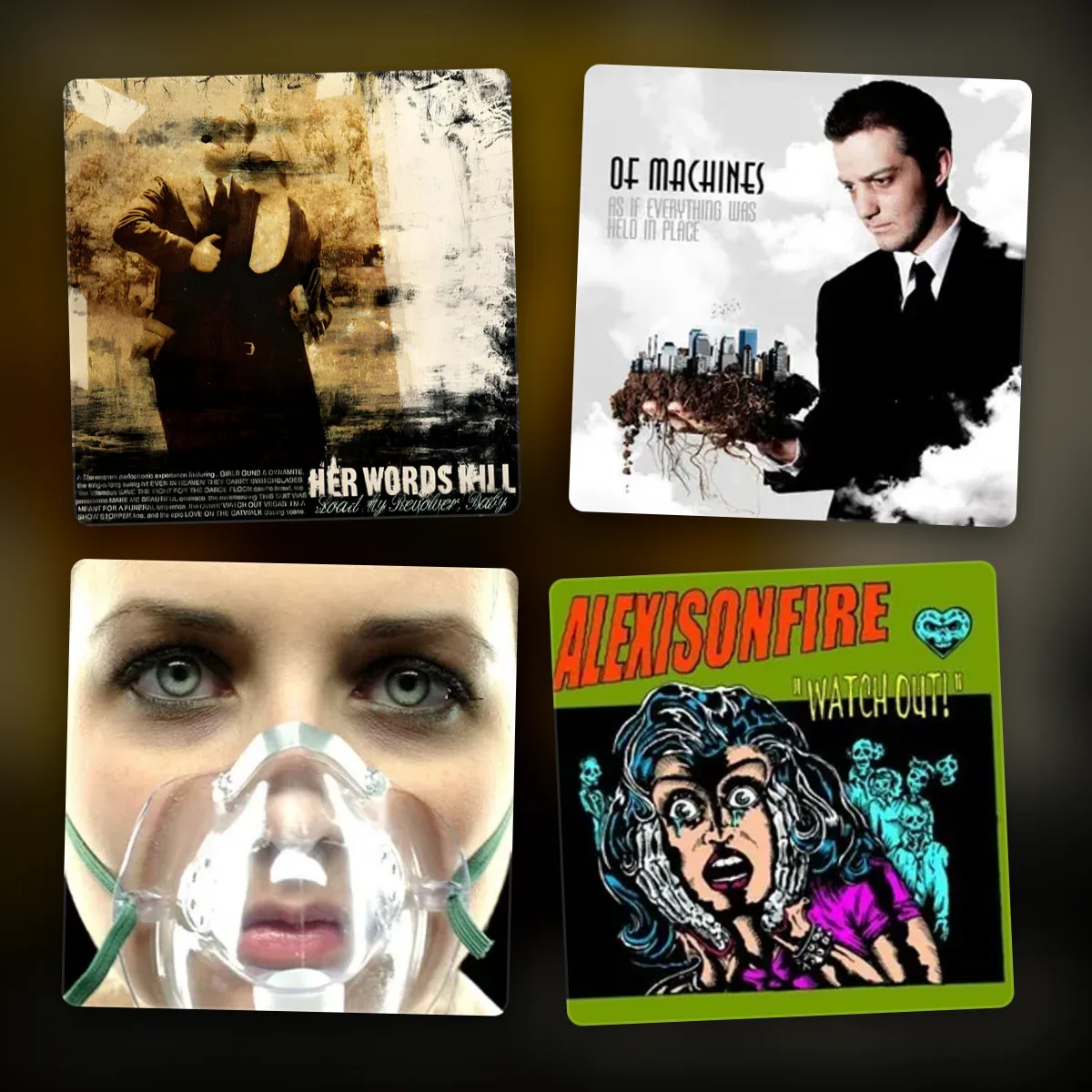
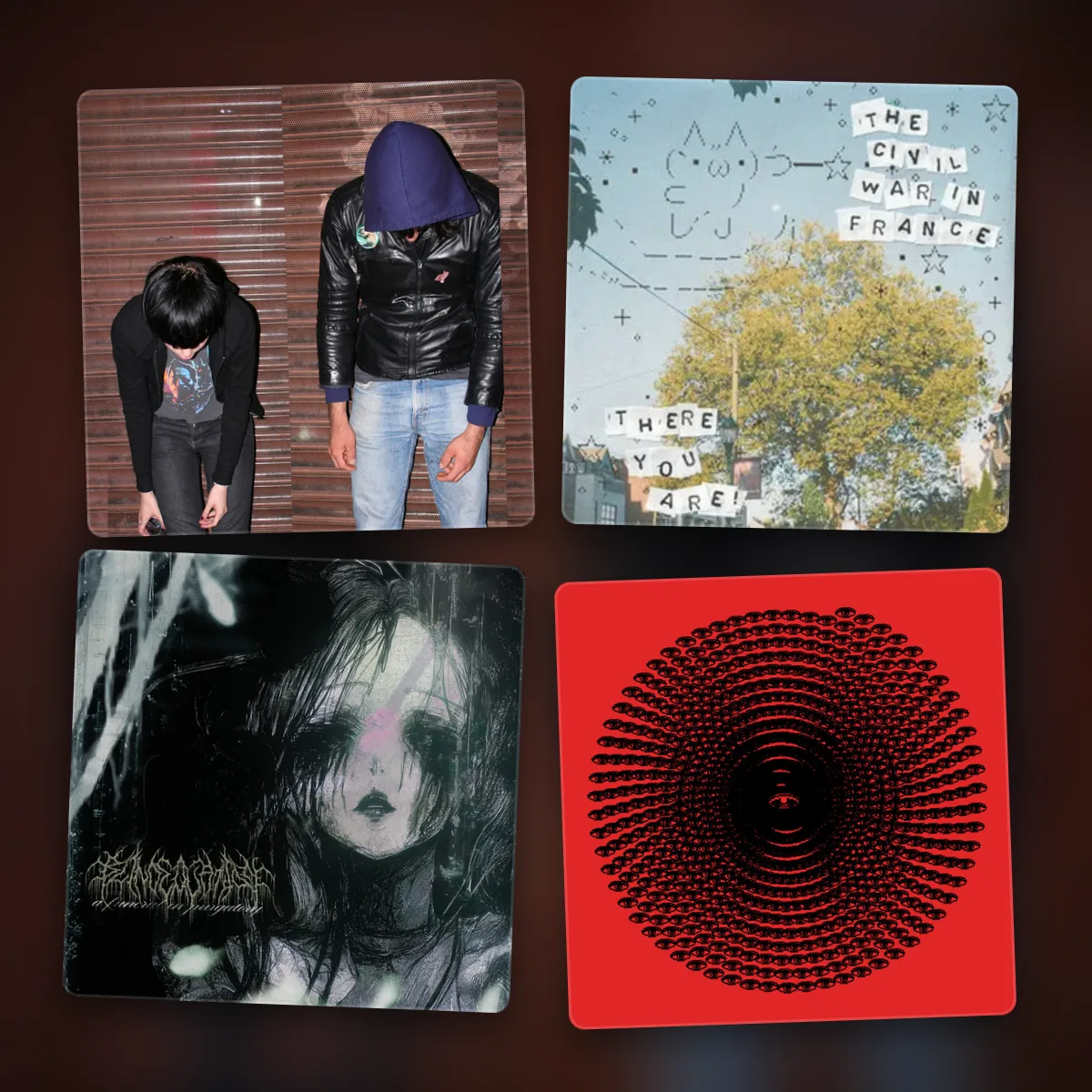
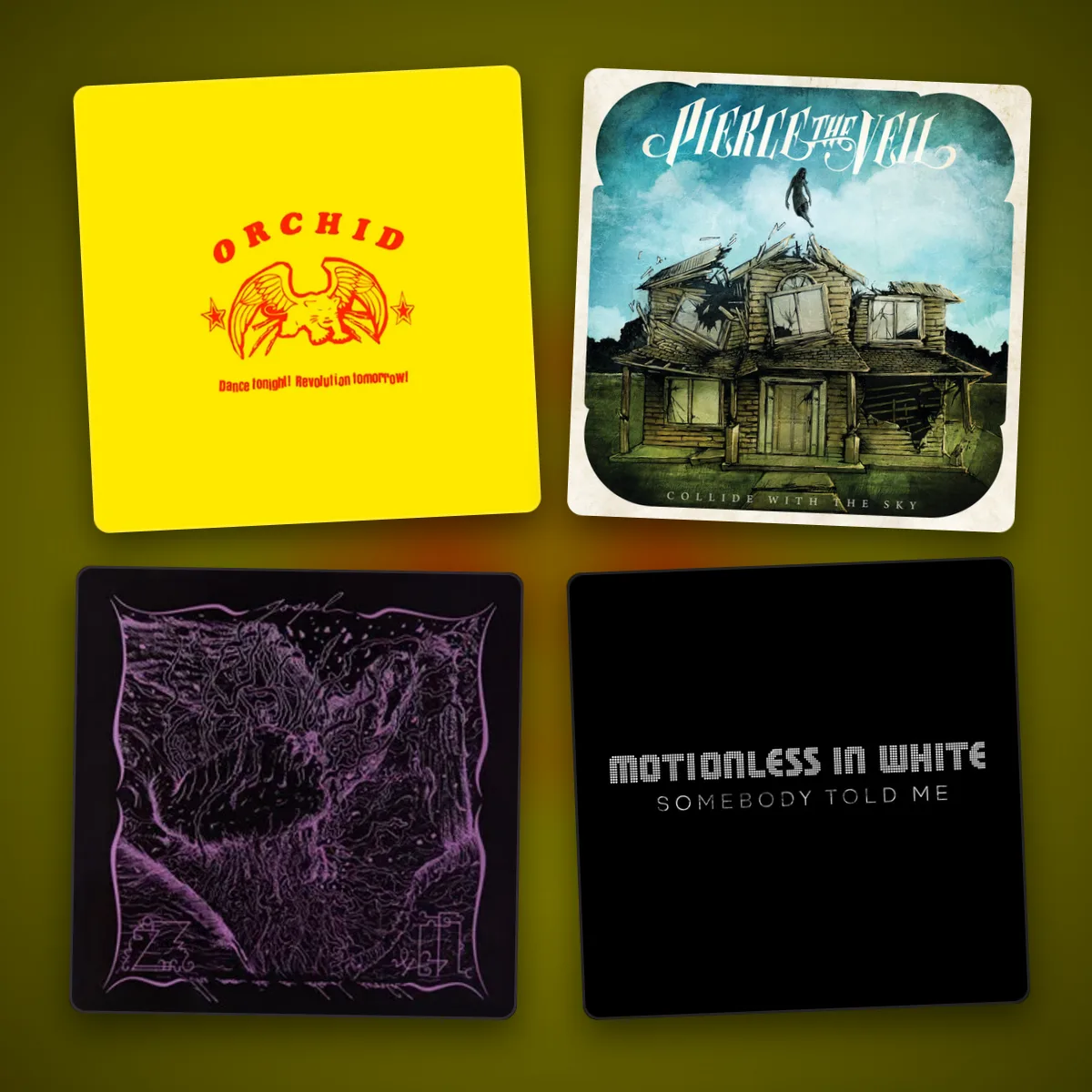
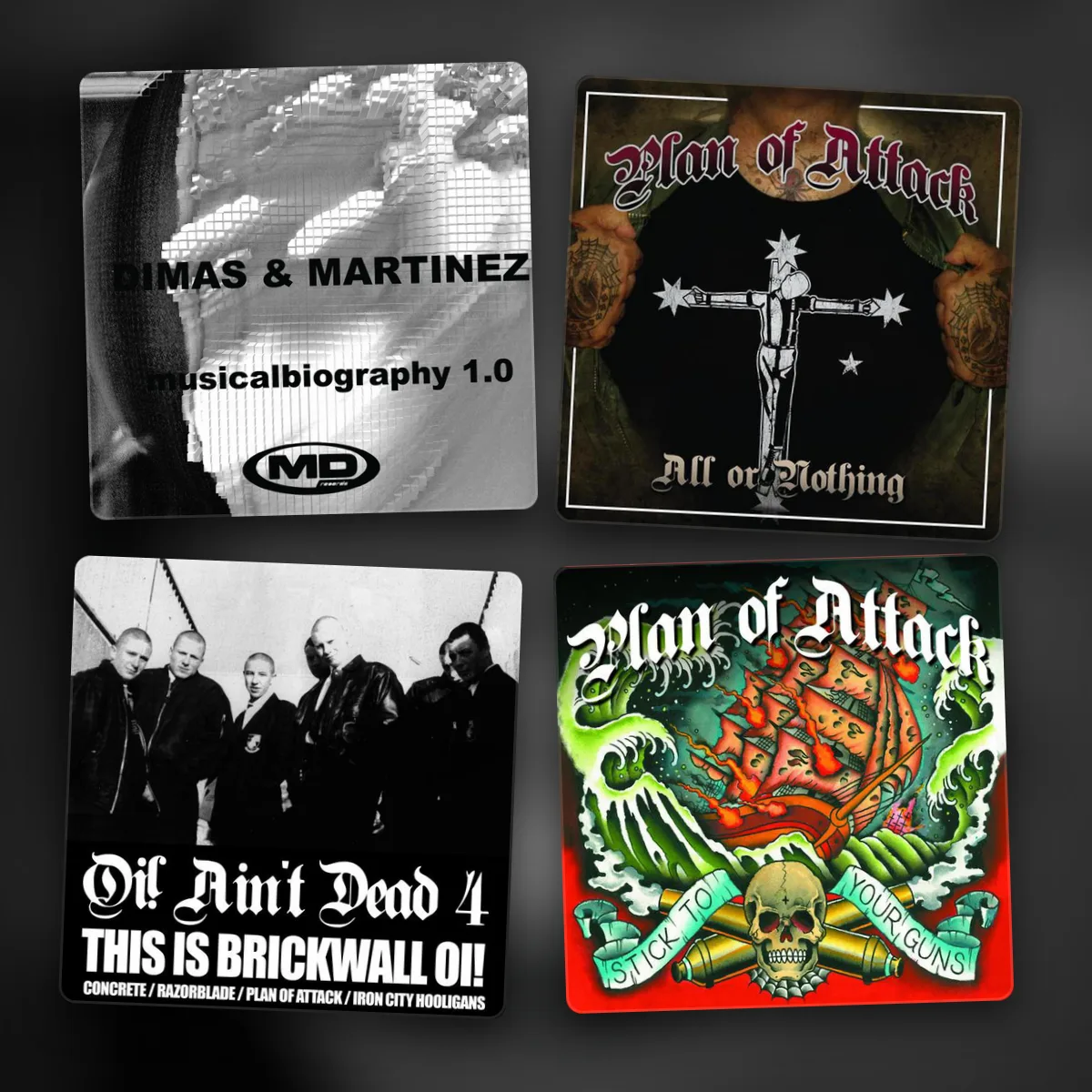
Hardcore punk is a close companion, especially in the short, direct attacks and rough vocal delivery. There are also points of contact with melodic hardcore: some guitar parts bring a more tuneful line through the surrounding abrasion, though rhythmic shouting is more prominent than smooth singing. Titles such as “Stand Up,” “Take Your Life Back” and “No Second Chance” suggest defiance and struggle. Many of the playlist’s releases are from the 2000s.
Based on: Every Noise at Once, Spotify's genre tags and playlist

what is “hardcore”? #music
blustre

An Ignorant Guide to Hardcore Punk
Coolea

The Real Reason Hardcore Is Popular Again...
Coolea

Why Hardcore Punk was so important | The Underground
Rich Mom
Start with the band
Build around distorted electric guitar, overdriven bass and an acoustic drum kit. Use fast power-chord riffs, minor-key movement and occasional dissonant changes. Hardcore punk is a useful starting point for the direct, forceful attack.
Shape the rhythm
Keep the drums fast and driving, with sharp snare hits and active cymbals. Arrange synchronized stops for the whole band, then shift into a heavier half-time breakdown before returning to the faster section.
Voices and texture
Use urgent shouted or screamed vocals, with layered group shouts at emphatic moments. For a touch associated with melodic hardcore, add a simple melodic guitar lead against the heavier chords. Keep the mix dense and distorted; a raw, noisy finish can suit the music as well as a tighter, more controlled production.

hardcore punk x metal x alternative rock type beat - cigarette
wrekk

HOW TO WRITE HARDCORE? (5 Crucial Techniques!)
Mac Tuagh

Do THIS when writing a punk song
ShakeoutNY

How To Make Hardcore Punk (Shit Tutorial)
ShitNoise

Top albums

Best playlists
Alternative Hardcore
Melodigging
The Sound of Alternative Hardcore
Every Noise at Once
Alternative Hardcore
Chosic

Nu Metal Legends Vol. 3 – Korn, Slipknot, Limp Bizkit Inspired (2000s Hardcore Rock AI Remix)
Metaflow

NU METAL MIX #1
El Gordo Sodero
Other similar genres
Genres sharing the most artists with Alternative Hardcore