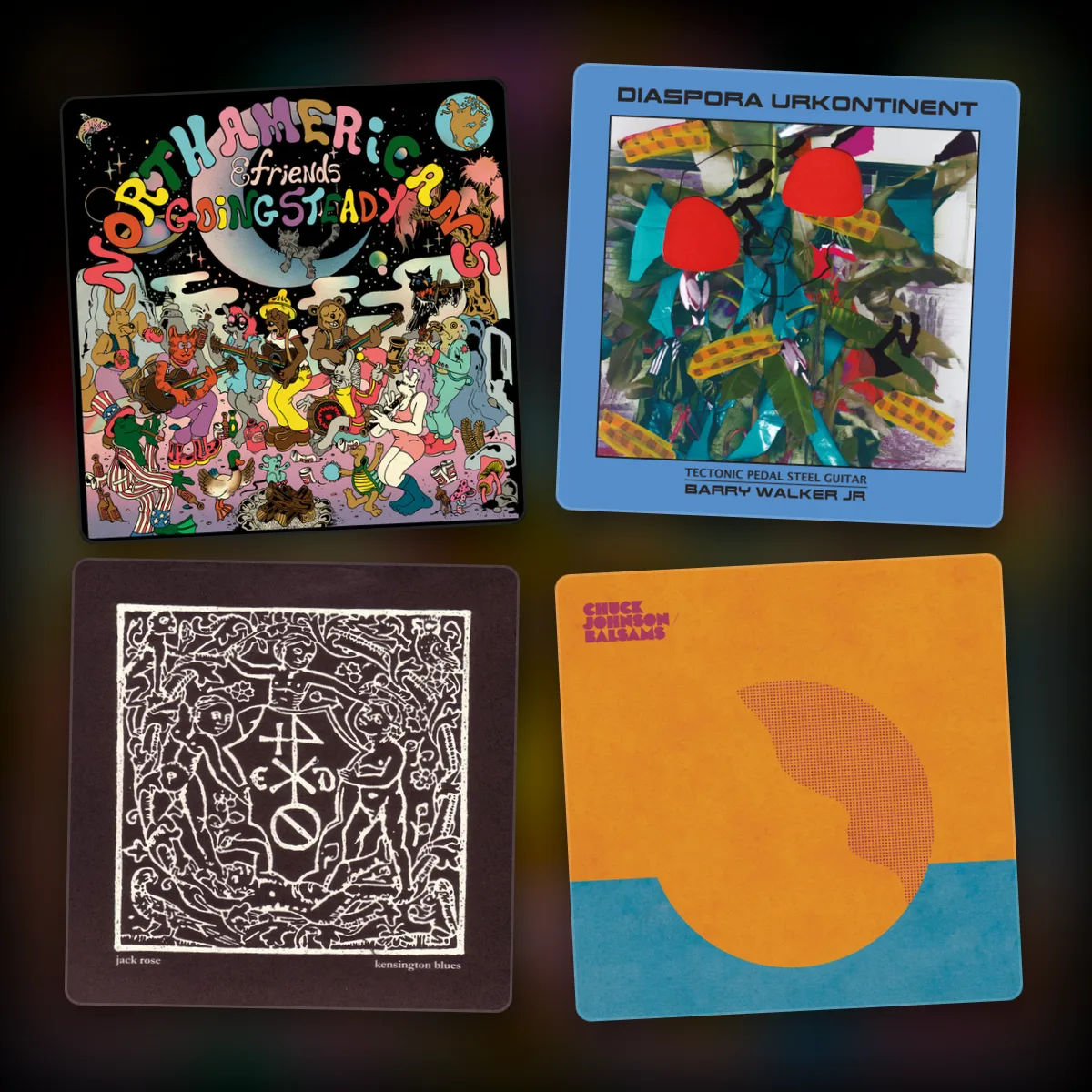
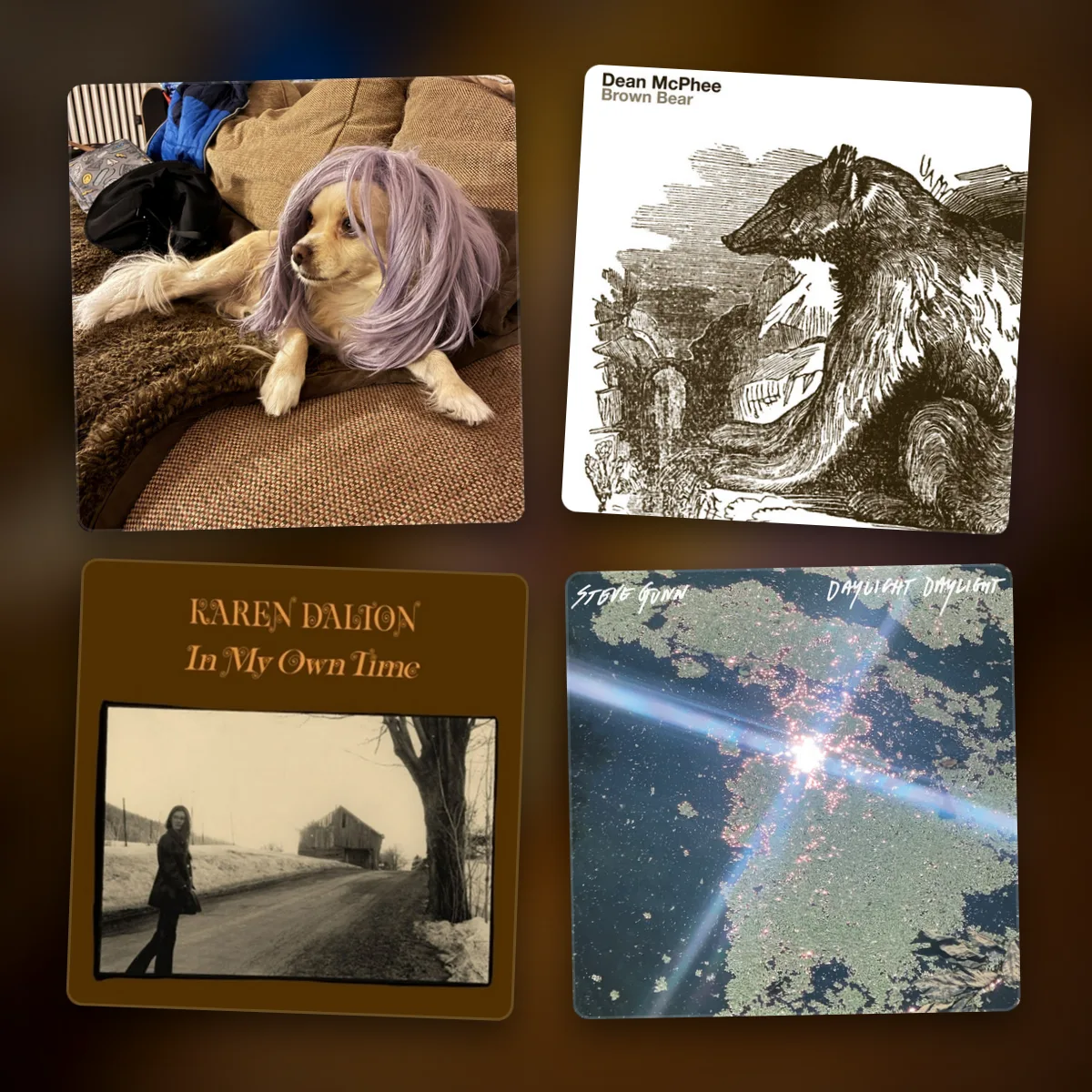
Description
Ambient folk brings acoustic or vernacular musical material together with the spacious, sustained textures associated with ambient music. A fingerpicked guitar melody might sit beside a drone, a field recording or a slow-moving electronic layer; room sound, silence and the character of the recording can be as important as the notes themselves.
The folk element need not be a traditional song: it can lie in an instrument, a playing technique, a remembered melody or a vocal manner. Acoustic guitar is common, but the palette can also include fiddle, melodeon, bells, harmonium, flute, lap steel, synthesizers and tape loops. Some pieces are largely unprocessed; others place acoustic playing deep within environmental sound. The result can be intimate and reflective without necessarily depicting a pastoral setting.
Based on: whitelabrecs.com, hwaelmag.com, ambientfolk.com
More on: Every Noise at Once
History
Roots and early descriptions
One strand of the sound reaches back to the mid-1970s, when fingerstyle guitar was part of Windham Hill’s early repertoire and intersected with the emerging new age, ambient and environmental music worlds. By the early 1990s, “ambient folk” appeared occasionally as a descriptive term rather than the name of an established movement.
A dispersed approach
Related approaches developed in different countries, with musicians giving drone, recording medium, silence and environment a greater role alongside folk material. They did not generally form a single, unified scene. Anthony Ugo claims to have originated the genre and concept; another account describes its development as a dispersed process rather than the work of a single scene.
Artists and interpretations
Black Brunswicker uses the term for music combining acoustic guitar, field recordings and loops. Pefkin’s music offers another interpretation, bringing folk instruments together with nature recordings, electronics and drone. The boundaries of the term remain open to discussion, including whether it should be considered a distinct genre at all.
Start with an acoustic element
Build a piece around fingerpicked guitar, a folk-like melody, a vocal phrase or the distinctive sound of an acoustic instrument. You could leave the playing mostly untreated so that its touch and resonance remain audible, or place it farther back in a layered recording.
Give the surroundings a role
Add a sustained drone, a field recording or a loop and let it share attention with the melody rather than serving only as background. Room sound, pauses and the texture of a recording can help shape the piece. You could gradually change the balance between the acoustic part and its surroundings, allowing environmental sounds to come forward at some moments.
Choose and arrange textures
Try combining guitar with instruments such as flute, fiddle, harmonium or lap steel, or contrast acoustic sounds with synthesizer and tape-like textures. As an approach borrowed from ambient music, let layers enter and recede slowly, and leave space for sustained sounds to develop. A piece can be instrumental, but a voice or song can also provide its folk element.

Top albums





Best playlists


Influenced by



Other similar genres
Genres sharing the most artists with Ambient Folk