


Description
Piano notes hang in resonant space, voices repeat syllables or sustain long tones, and instrumental phrases move freely rather than settling into a beat. American 21st century classical takes its name from Every Noise at Once’s Spotify genre map and a related The Sounds of Spotify playlist, with scant written coverage.
The music ranges from dissonant solo piano writing to modal chamber music and choral works. Much of it moves slowly or without a regular pulse, following the rise and fall of a phrase instead of a drum-led groove. Piano is prominent, while voices can form interlocking patterns or broad, sustained choral textures. Harmony ranges from unstable, widely spaced notes and chromatic clashes to melodies resting over a steady, drone-like tone. The mood is often contemplative, somber or quietly tense.
Recordings tend to preserve the natural sound of acoustic performances, with spacious room or hall resonance and details such as piano mechanics left audible. The music sits close to contemporary classical, minimalism and avant-garde music, as well as choral writing and opera. Pieces on the playlist include solos, string and orchestral works, and vocal compositions; their titles range from English phrases to names in several other languages. Many of the releases are from the 2010s and early 2020s.
Based on: Every Noise at Once, Spotify's genre tags and playlist

5 Contemporary Composers You Should Definitely Check Out
TwoSetViolin

The 21st Century Orchestral Composer | Dr. Wayne Oquin
ILIO
Shape the material
Start with an acoustic instrument or a small vocal ensemble. Write short phrases that can stretch and breathe without a fixed pulse; leave space for notes to decay. For a more measured passage, develop a repeated vocal syllable or a restrained ostinato rather than relying on a drum groove.
Explore harmony and texture
Draw on contemporary classical and avant-garde writing for fragmented gestures, wide intervals and dissonant clusters. From minimalism, borrow repetition and relatively static harmony. Contrast those approaches with a modal melody held over a sustained tone, or build a choral passage from overlapping, long-held notes.
Record the performance
Keep the acoustic timbres clear and allow a wide range of dynamics. Use room or hall resonance to give the music space, while retaining some close detail, such as the sound of piano mechanics.

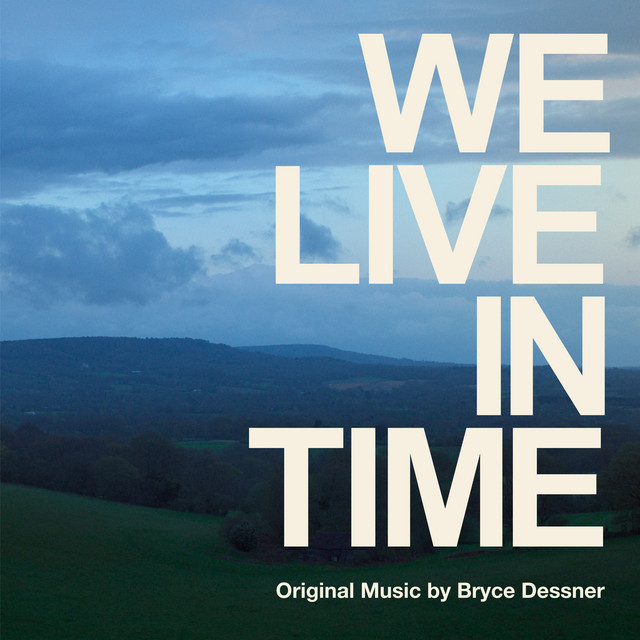
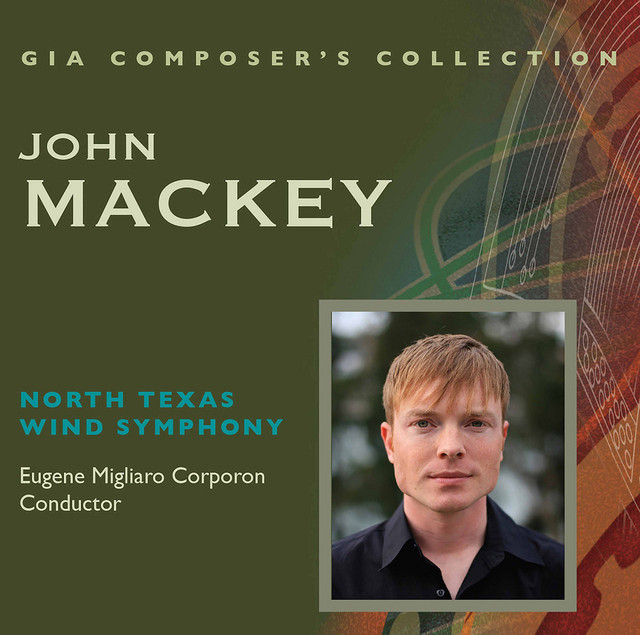
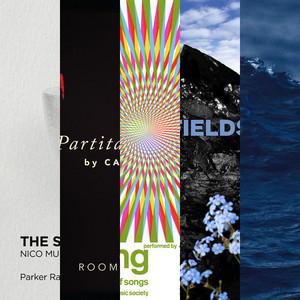
Top albums






Best playlists


Influenced by


Other similar genres
Genres sharing the most artists with American 21st Century Classical


