Description
Arab groove moves through propulsive hand percussion, syncopated guitars and bass, bright keyboards and reedy or brassy melodies. The name is catalogued by Every Noise at Once, Spotify’s genre labels and the playlist “The Sound of Arab Groove”, though it has attracted scant written coverage. Much of the music is lively and danceable, with repeating rhythmic patterns and melodies that curl around minor or modal tonal centers.
The music ranges from acoustic ensembles of hand drums, bowed strings and plucked strings to horn-driven funk and synth-and-guitar-led pop and dance music. Drum kits and drum machines give many tracks a firm backbeat; elsewhere, interlocking percussion carries the rhythm. Guitars and horns can punctuate the beat with offbeat accents, while keyboards and organ add sustained color. The production often has a vintage character, with prominent melodies and percussion, a warm midrange and audible reverb.
Some tracks are instrumental; others feature ornamented Arabic singing, sometimes with a raw or nasal edge and responses from backing voices. Pitch bends, trills and subtly inflected notes give the melodies an expressive character. Artists in this grouping are also associated with raï and gnawa, traditions that share an interest in strong rhythmic patterns and distinctive melodic phrasing.
Based on: Every Noise at Once, Spotify's genre tags and playlist

رحلة جاز عربي خليجي | ساعة كاملة | Arabian Jazz Fusion - 1 Hour of Pure Khaliji Jazz |
Sharqify | شرقفاي
Build the groove
Start with a repeating minor or modal vamp and a bass line that locks into the drums. Use a steady backbeat or an interlocking hand-percussion pattern, then add syncopated guitar or horn accents. A fast, danceable pulse works well, though a swaying mid-tempo groove also fits.
Shape the melody and arrangement
Write a prominent, highly ornamented lead using a reedy instrument, keyboard or voice. Try pitch bends, trills and subtle inflections rather than relying on chord changes for movement. Alternate a lead vocal with a backing response, or leave the piece instrumental. For an acoustic arrangement, combine hand drums with bowed and plucked strings; for an electric one, bring in bass, guitar, organ or synthesizer.
Give it character
Keep the melody and percussion forward in the mix, with some reverb and a warm, slightly saturated texture. For related approaches to rhythmic repetition and vocal phrasing, explore raï and gnawa without treating either as a fixed template.

The Arabian Chord sound
Shred

▪️Arabic Beat - Cajon lesson #cajon #arabicbeats #cajonlesson #clapbox #music #percussion #viral
The Percussion Guy

How To Make Arabic Melody in Fl Studio (Tutorial)
How To Make Type Beats

Arabic Grooves for Kontakt | Drag & Drop MIDI Oriental Drums | 22 Rhythms & 280+ Grooves
Sonic Market

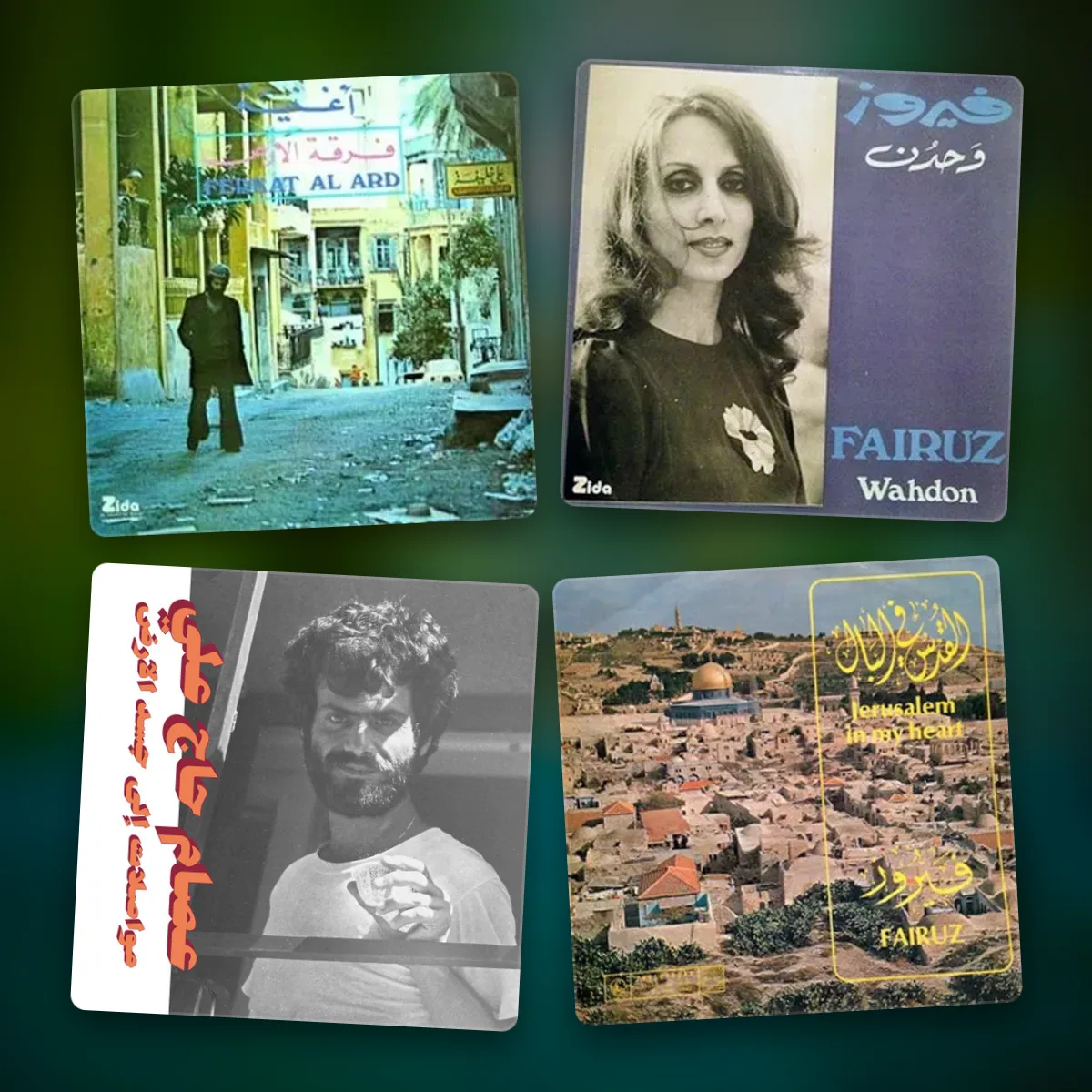
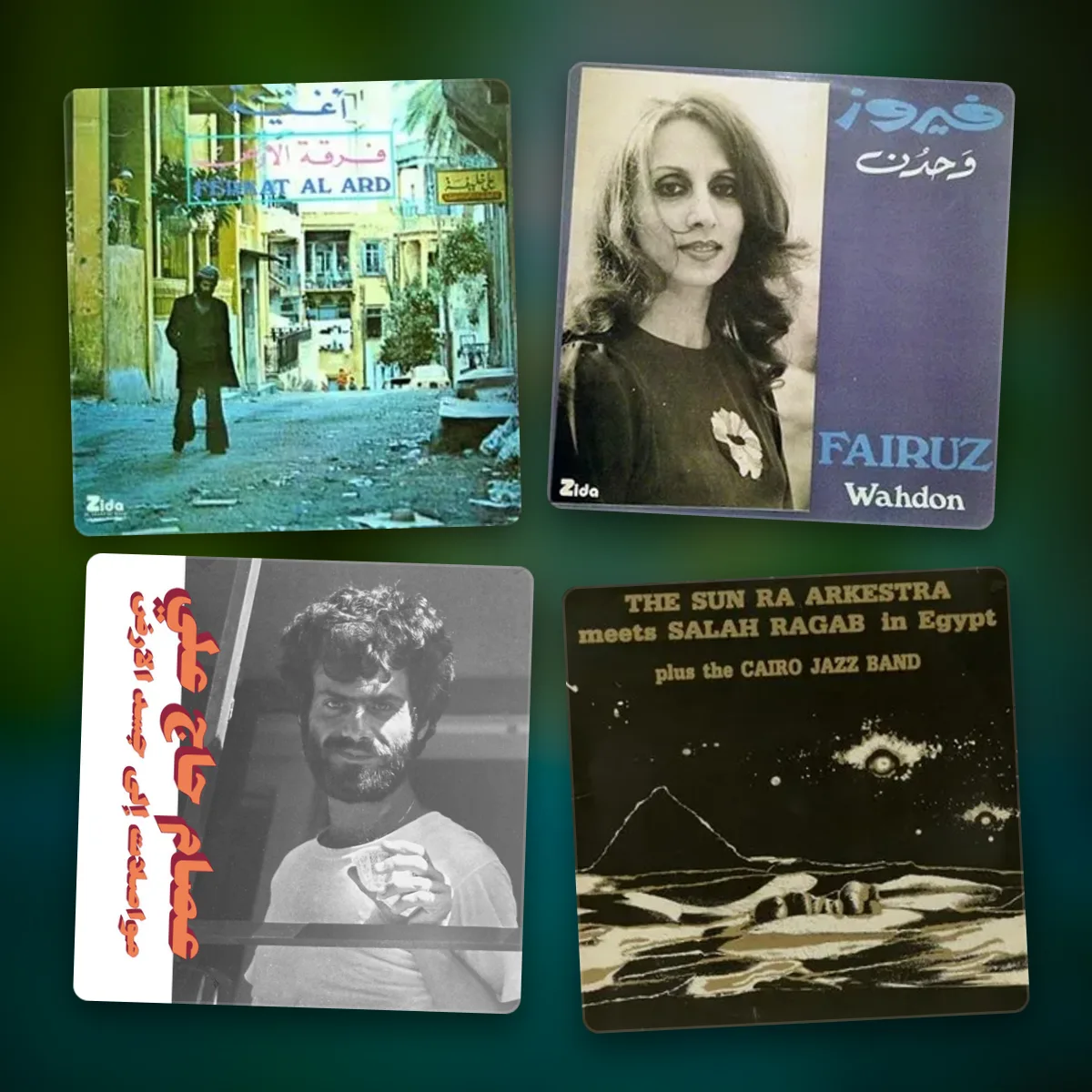
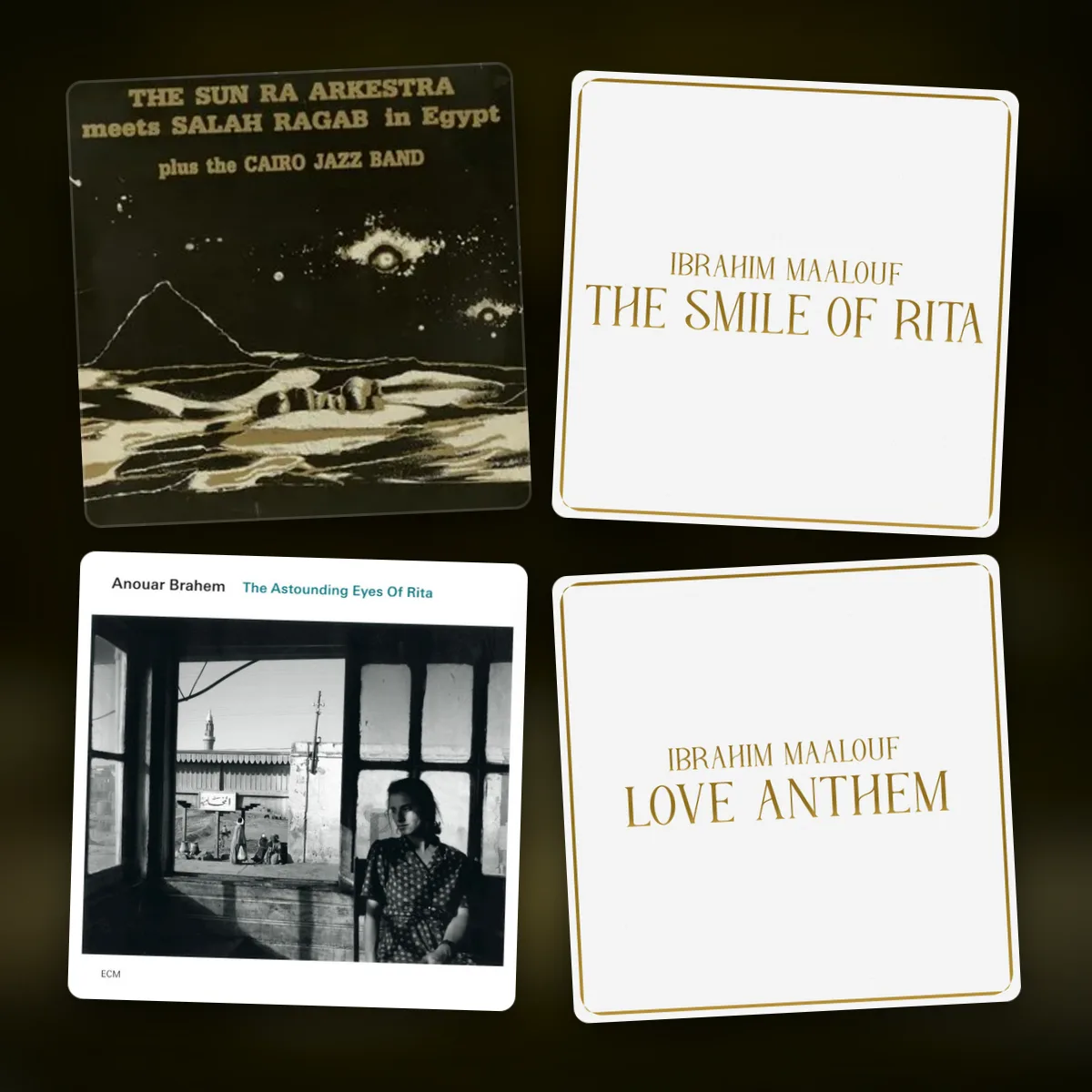
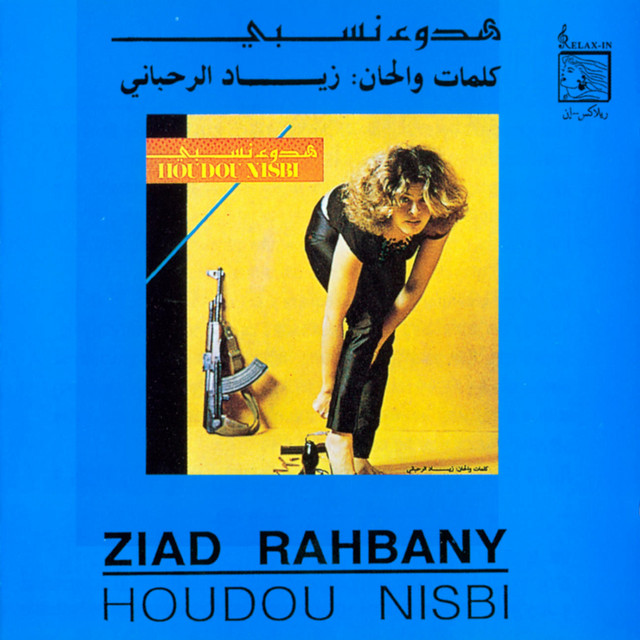
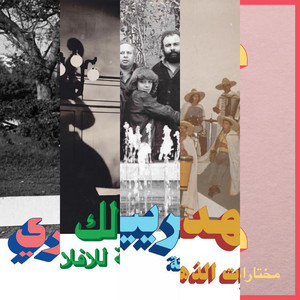
Top albums
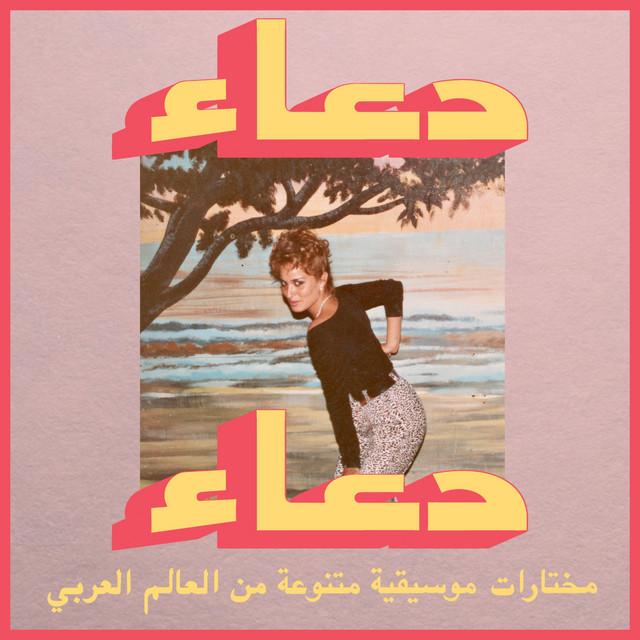
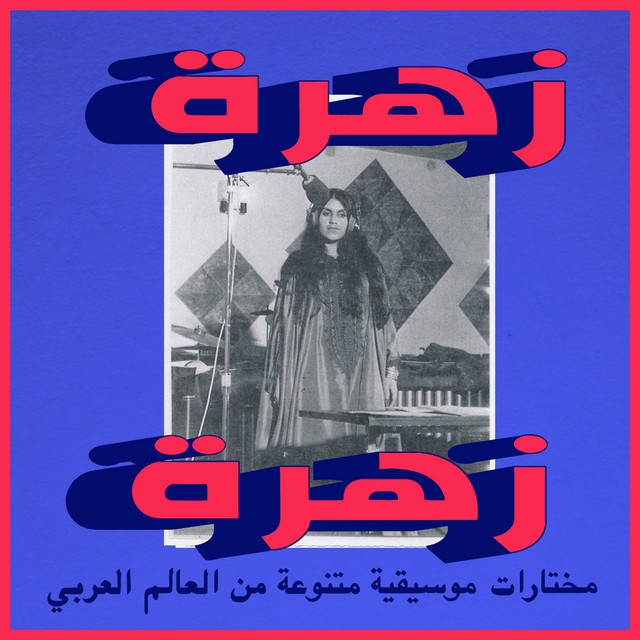
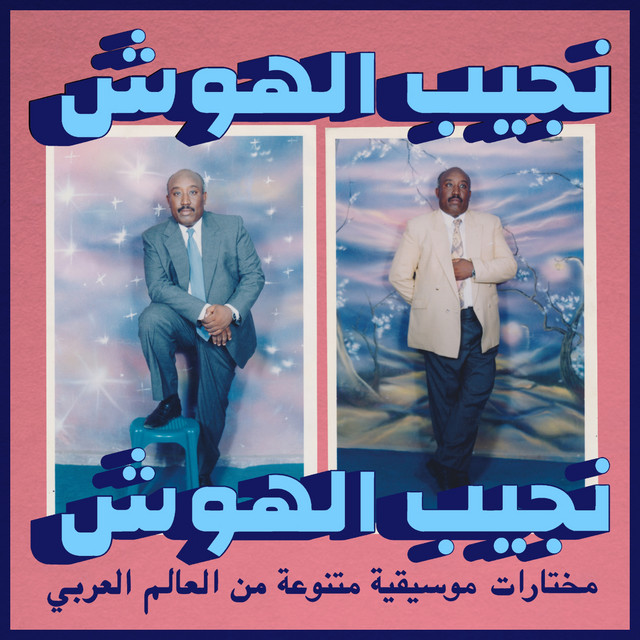
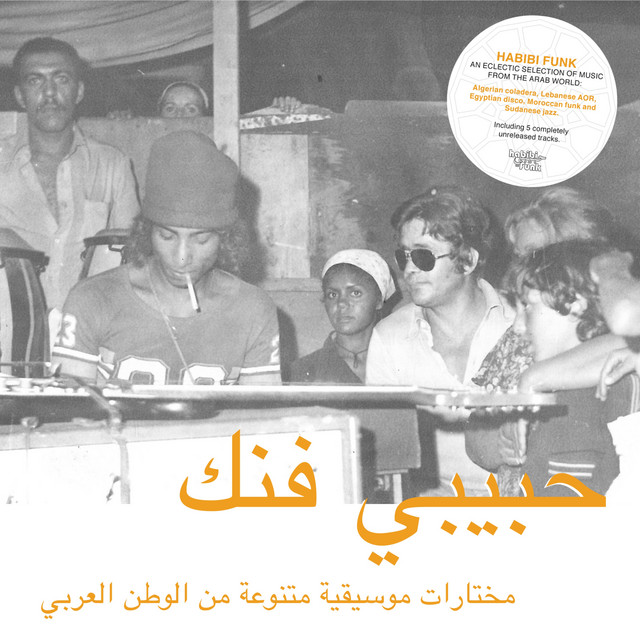
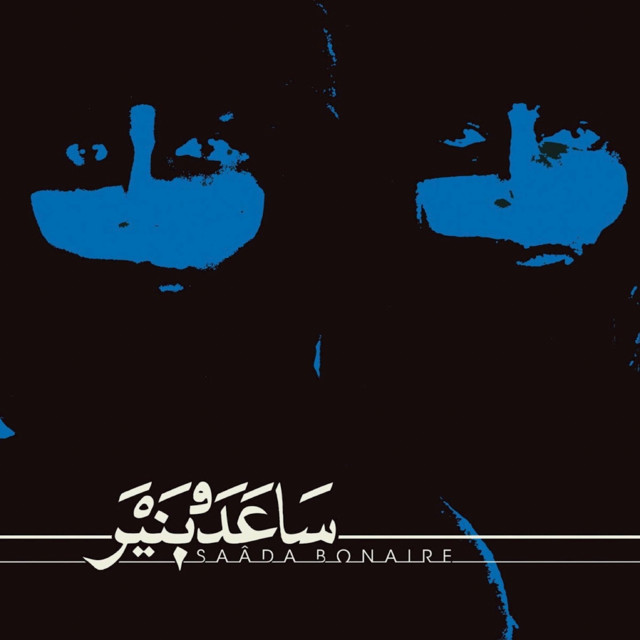

Best playlists
Influenced by

Other similar genres
Genres sharing the most artists with Arab Groove