Description
Australian metalcore is heavy, driving music built on low-tuned distorted guitars, bass and hard-hitting drums. Its name is used in Spotify’s genre labels and Every Noise at Once, though the music has attracted scant dedicated writing. Rapid double-kick patterns and syncopated, palm-muted guitar chugs often move together, sometimes giving way to slower, crushing breakdowns.
The vocals are in English and range from raspy screams to deep growls. Some songs contrast these harsh deliveries with high, strained melodic singing and anthemic choruses; others stay with screaming throughout. Dark, minor or chromatic guitar parts contribute to an intense, aggressive sound, while synthesizer leads and atmospheric pads add another layer in many tracks. The production is typically dense and compressed, with guitars spread into a broad wall of sound.
The music sits within metalcore, with connections to the syncopated guitar work of djent and the forceful dynamics of post-hardcore. Song titles such as “Left Behind,” “I Don’t Belong Here” and “Fear Rejection” suggest themes of distress and alienation, though their lyrics may take those ideas in different directions. Much of the playlist’s music is from the early 2020s.
Based on: Every Noise at Once, Spotify's genre tags and playlist

USA Metalcore V.S. Australian Metalcore #guitar #metal #metalcore
Ofek Riff Solo

The Heavy History of Australian Metalcore
Sound is a Factor

Why Australian Metal Hits Different
dieseldogdeathcult
Riffs and rhythm
Start with the low-tuned, distorted guitars and forceful drumming of metalcore. Build tight, palm-muted chugs around the kick drum, using syncopation in the manner of djent. Contrast a fast, driving pulse with a slower half-time breakdown, keeping the bass locked to the guitar rhythm.
Voice and arrangement
Use harsh screams or growls as the vocal foundation. For a more melodic approach, alternate them with strained, high-register singing over broad power chords, drawing on the dynamic contrasts of post-hardcore. Minor-key and chromatic passages can give the riffs a darker edge.
Production
Aim for a dense, compressed guitar sound and a punchy drum mix. Add synth leads or atmospheric pads above the heavy rhythm section, and use reverb or delay selectively to give vocals and melodic layers more space.
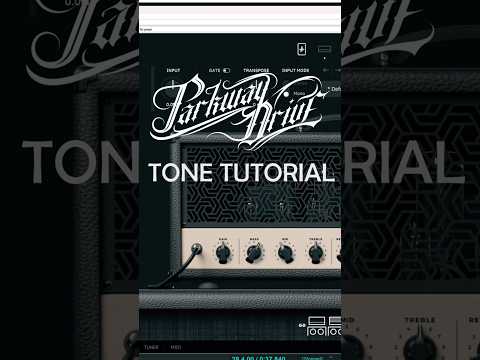
Parkway Drive Guitar Tone Tutorial #guitar #metalcore
WinterSpire Productions

Top albums



Best playlists


Influenced by


Other similar genres
Genres sharing the most artists with Australian Metalcore