

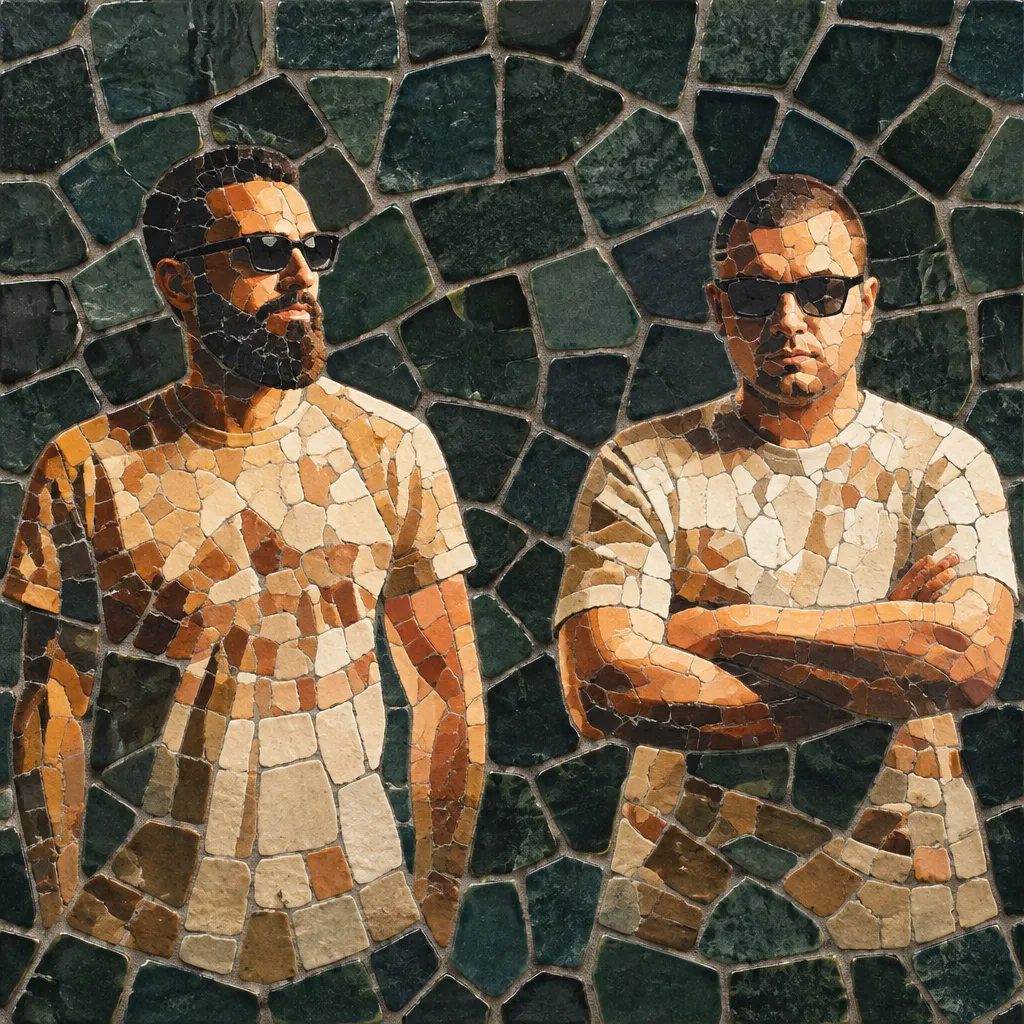
Description
Balkan trap, also called trap-folk, combines trap’s electronic beats and rapping with sounds described as oriental, bringing global production styles into contact with regional musical practices. Tracks can be heavily produced, with an electronic dance-music element alongside the vocals.
It is a fluid hybrid rather than a single fixed sound: its mixture of local and global elements continues to change, and commercialization is part of its development. Some performers favor lighthearted, largely nonpolitical material.
Based on: eap-iea.org, scalar.usc.edu
More on: Every Noise at Once
History
Earlier developments
Around the turn of the century, rap and electronic dance beats were being combined in Serbia. This fusion helped prepare the ground for a later Balkan trap sound.
Emergence and development
Balkan trap emerged after 2010, as global trap and its associated production technologies entered the mainstream. Serbia is identified as its birthplace. Across the Balkans, tracks have combined trap beats with oriental sounds, while the genre has continued to change and develop commercially.
Build the foundation
Start with an electronic beat and a rapped vocal. Give the production a dense, polished character, reflecting the heavily produced sound associated with Balkan trap.
Add regional color
Layer the trap rhythm with melodic or instrumental sounds that evoke the oriental influences described in the genre. Experiment with how prominently these elements sit in the mix: they can be a recurring hook or a texture behind the vocal.
Shape the arrangement
A common approach in trap is to build contrast by adding and removing percussion, bass and melodic layers around the vocal. You could also draw on electronic dance music for changes in energy, while keeping the rap and beat at the center.

HOW TO MAKE A FIRE Balkan Ethnic Drill #shorts
ProdbyTEO

How I make Balkan style loops. #BalkanTypeBeat #BalkanMusic
Lazura Music

Top albums
Best playlists


Influenced by


Other similar genres
Genres sharing the most artists with Balkan Trap

