Description
Baltimore indie ranges from atmospheric instrumentals and reflective folk-rooted songs to driving rock, electronic club music and hip-hop. The term is used in Every Noise at Once, Spotify’s genre labels and the playlist “The Sound of Baltimore Indie”, though it has scant written description.
Electric guitar, bass and drums are common, alongside piano, synthesizers and organ. Some tracks use electronic beats and deep sub-bass instead of a conventional band sound. The pace can be slow and contemplative or fast and urgent; minor-key passages add a melancholic edge, while other songs draw on brighter or blues-inflected harmony. Vocals are often in English, with approaches ranging from expressive singing to forceful rap. Production is generally polished, with reverb giving many recordings a spacious quality; some electronic tracks favor a drier, more upfront sound.
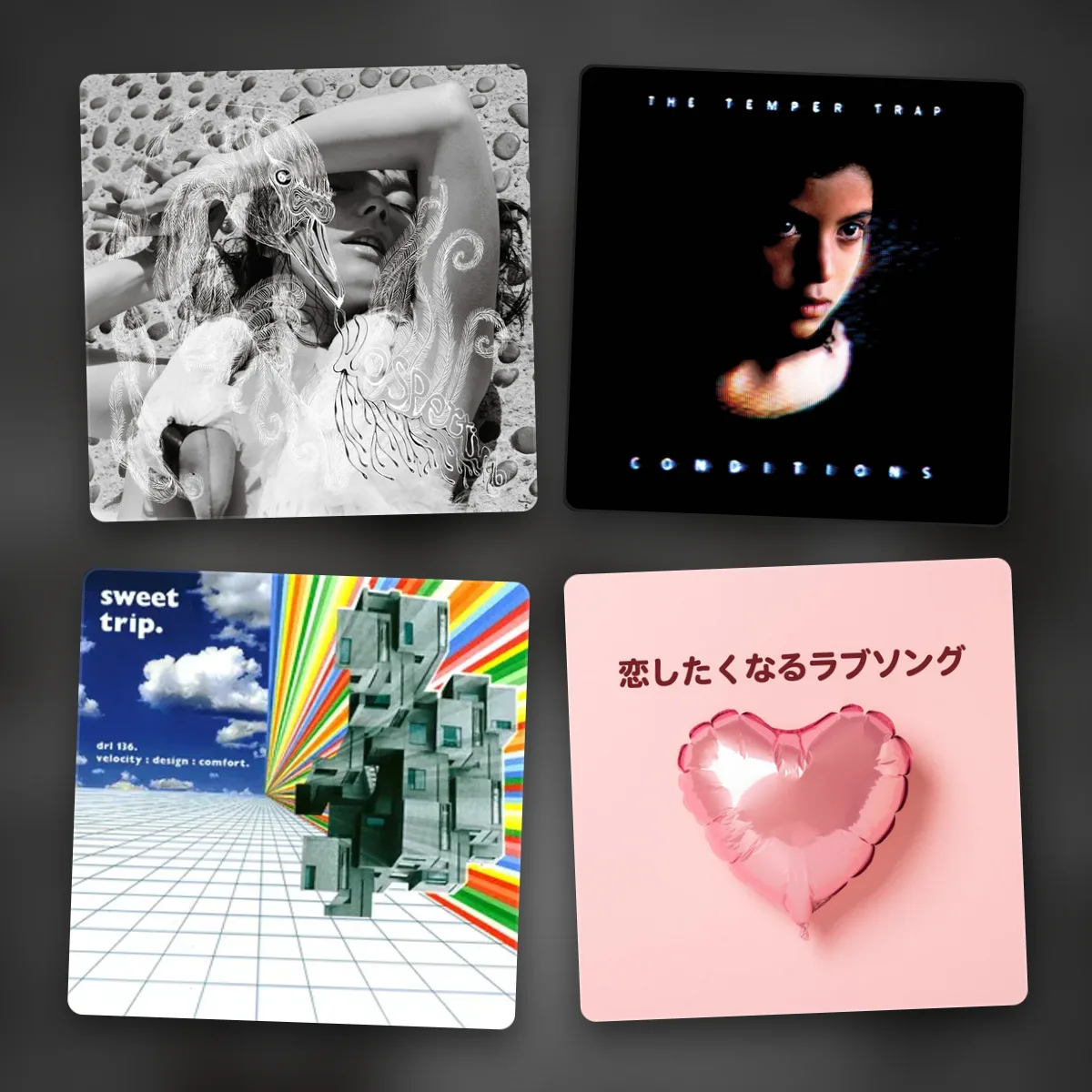
Artists associated with indie rock, art pop and experimental hip hop sit alongside one another in the playlist. Titles such as “Heartbreak”, “Will U Wait” and “Seasons (Waiting on You)” suggest themes of love, loss and anticipation. Many of the playlist’s releases are from the 2010s.
Based on: Every Noise at Once, Spotify's genre tags and playlist

'Do Whatever You Want, All the Time: The Baltimore Music Scene 2005-2020' trailer
89.7 FM WTMD Baltimore - Total Music Discovery

All Time Low On The Surprising Surge Of Baltimore Indie Artists, From Beach House To Animal
NME
Choose a foundation
For an indie rock approach, build a song around electric guitar, bass and a live drum kit. Use a steady backbeat or a faster driving rhythm, then add piano, organ or synthesizer for color. Alternatively, draw on experimental hip hop with programmed drums, deep sub-bass and an upfront vocal.
Shape the song and sound
Take a cue from art pop by combining melodic songwriting with atmospheric textures. Try minor-tinged chords for a reflective mood or brighter, blues-inflected harmony for warmth. Sing or rap in English, and use reverb to give instruments and voices space; a drier, more compressed mix can bring an electronic rhythm section to the foreground.

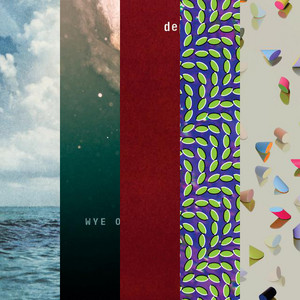
Top albums
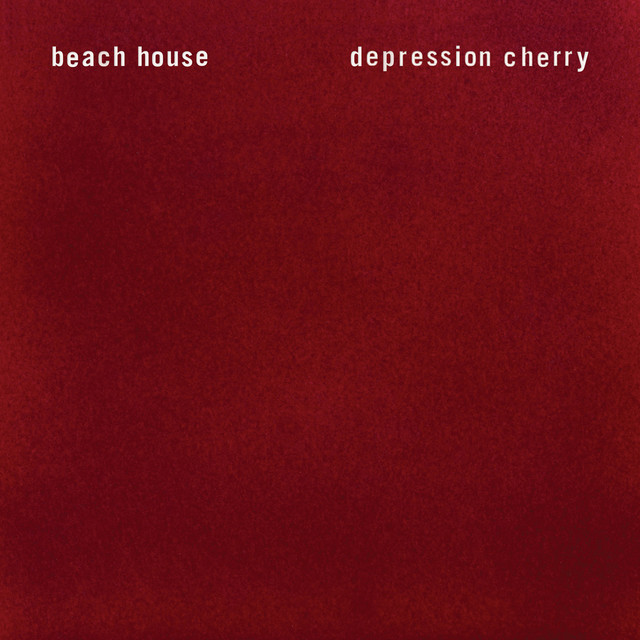
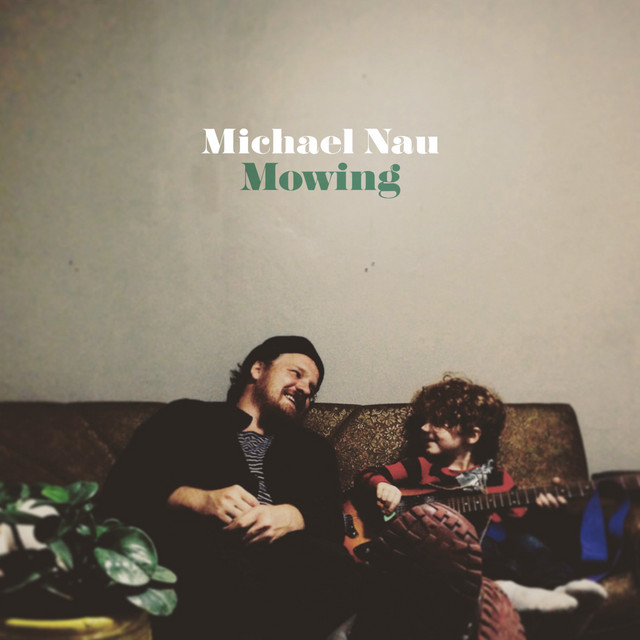





Best playlists


Influenced by

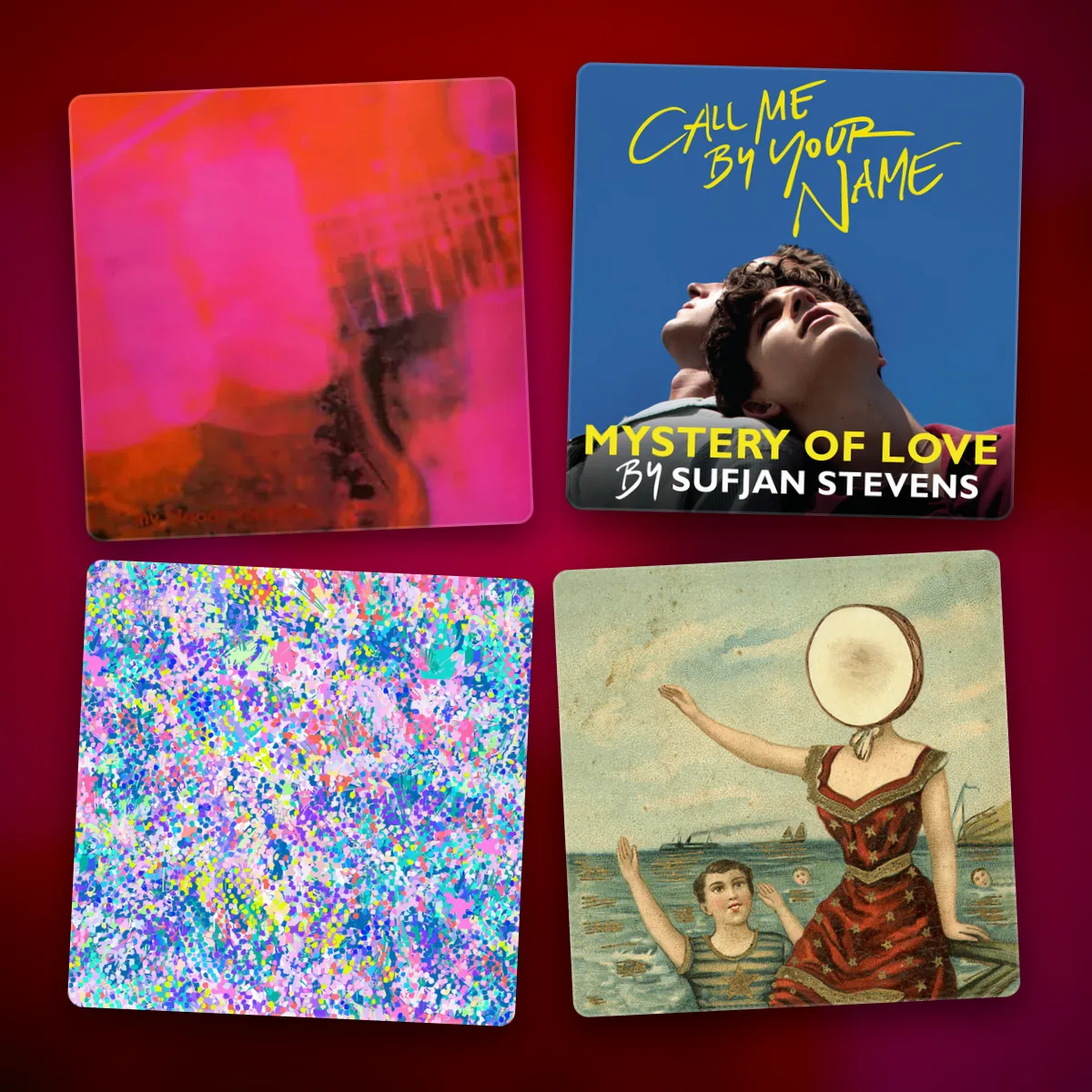
Other similar genres
Genres sharing the most artists with Baltimore Indie