Description
Punchy electronic drums, buoyant bass and catchy vocal hooks give much of Barbadian pop a strong dance-floor pull. The term is used by Every Noise at Once, Spotify’s genre labels and its playlist “The Sound of Barbadian Pop,” with scant published description. Its music ranges from the fast, festive drive of soca and dancehall to smoother, more intimate pop songs.
Beats can move at a relaxed mid-tempo or a faster, insistent pace, often with syncopated percussion and repeating bass grooves. Synthesizers add bright stabs, pads and little melodic figures, sometimes alongside rhythmic guitar or piano. English-language lead vocals sit prominently in the mix, supported by harmonies, doubles and answering phrases; some singers use Caribbean inflections or patois, while others favor a smooth, breathy delivery. The production is generally polished and bass-heavy, with simple repeating chords and melodies that are easy to sing along to. The playlist includes party-minded tracks such as Rupee’s “Tempted to Touch” and Edwin Yearwood’s “Pump Me Up,” as well as more reflective songs such as Shontelle’s “Impossible.”
Based on: Every Noise at Once, Spotify's genre tags and playlist
Rhythm and bass
Build a danceable electronic drum pattern around a firm kick and syncopated snares, rimshots or other percussion. For a soca-inspired track, try a fast, driving pulse; for a dancehall-influenced feel, leave more space around a bouncing bass groove. A slower, backbeat-led pattern can give the song a more relaxed character.
Harmony and arrangement
Use a short repeating chord progression or riff, with synth bass providing a prominent low end. Add bright synth stabs or softer pads, and try a rhythmic guitar figure or piano chords for contrast. Keep the main melodic idea direct and repeatable.
Vocals and production
Put an English-language lead vocal at the front of the mix. Layer harmonies, doubles or call-and-response phrases around the hook, and use reverb or delay for space. Aim for a clean, polished mix with punchy drums and a solid bass foundation.

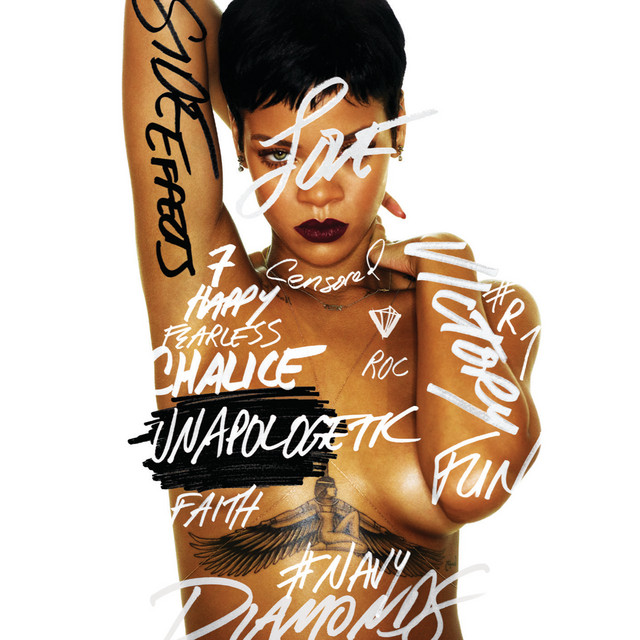
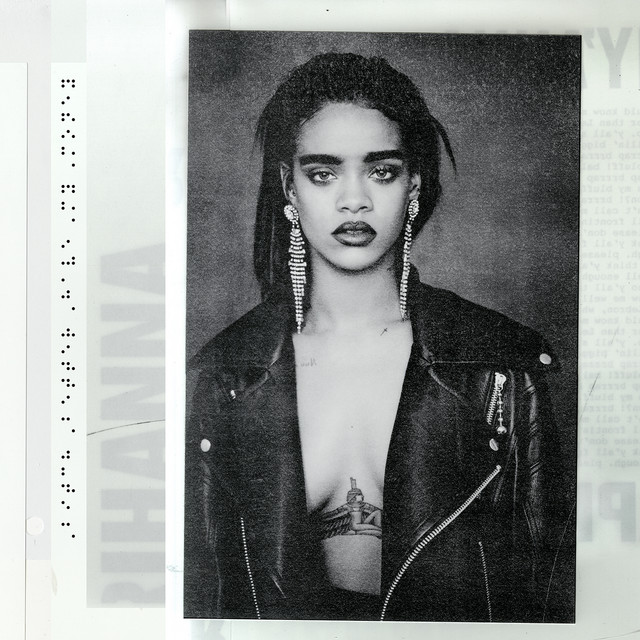
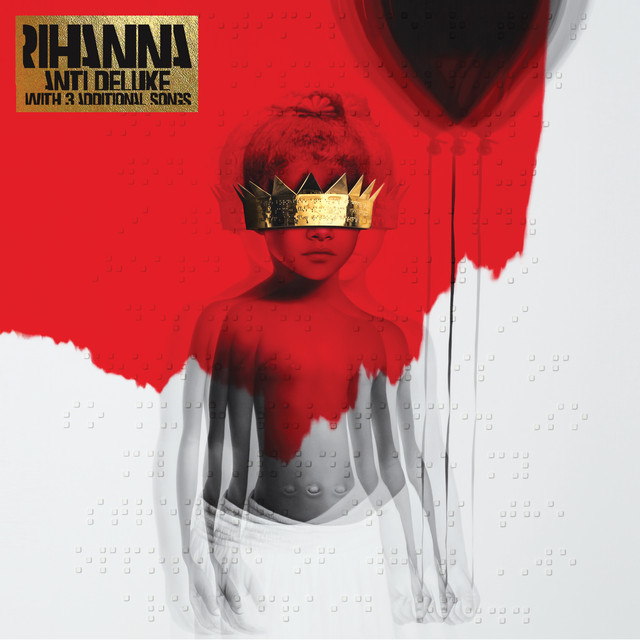
Top albums

Best playlists
Barbadian Pop
Melodigging

The Sound of Barbadian Pop
Every Noise at Once
Barbadian Pop
Chosic

Barbadian Pop Mix
Spotify

BEST OF 2017 BARBADOS CROP OVER SOCA - 100 MASSIVE TUNES
Road Ready Mix
Influenced by


Other similar genres
Genres sharing the most artists with Barbadian Pop