Description
A steady kick drum, pulsing synth bass and crisp electronic percussion give berlin minimal techno a hypnotic, driving sound. The term is catalogued by Every Noise at Once and Spotify’s playlist “The Sound of Berlin Minimal Techno”, but has scant published description.
Most tracks build around a four-on-the-floor beat, with claps or snares marking the backbeat and hi-hats filling the spaces between kicks. Minor-key patterns and short, repeating figures keep the harmony restrained, while filter sweeps, noise risers and changes in texture create movement. Atmospheric pads and plucked or arpeggiated synths can widen the sound around the punchy low end. Some tracks use tiny clicks, stutters and other glitch-like percussion as rhythmic detail.
The production tends to be clean and spacious, with reverb and delay contrasting against dry drums; synths may swell and recede around the kick. Vocals are often absent or reduced to processed, chopped sounds rather than a continuous lead. The mood is frequently nocturnal and tense, though the rhythmic pulse remains energetic and dance-oriented.
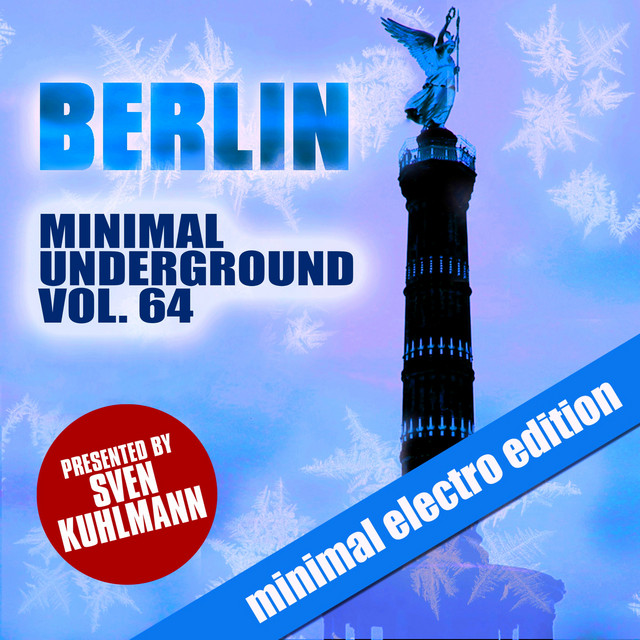
The music is close to minimal techno, sharing its sparse arrangements and gradual development. Playlist titles include both German and English, from Crazy Krauts’ “Sauerkraut” to Sven Kuhlmann’s “Beating Heart”; club edits, remixes and compilation tracks are common.
Based on: Every Noise at Once, Spotify's genre tags and playlist
Build the groove
Start with a steady four-on-the-floor electronic kick, a clap or snare on the backbeat and offbeat hi-hats. Add a repeating synth bass line, leaving enough space for each kick to land clearly.
Develop a minimal pattern
Take minimal techno as a reference: use a short minor-key figure or sustained bass note rather than a busy chord progression. Introduce plucked or arpeggiated synth notes and let subtle filter changes gradually alter the pattern.
Shape the production
Keep the drums crisp and the low end punchy. Use sidechain compression to make synth layers breathe around the kick, and add pads, reverb, delay and noise sweeps for depth. Try cutting the kick briefly during a transition, or use chopped vocal sounds and small clicks as rhythmic accents rather than a full lead vocal.

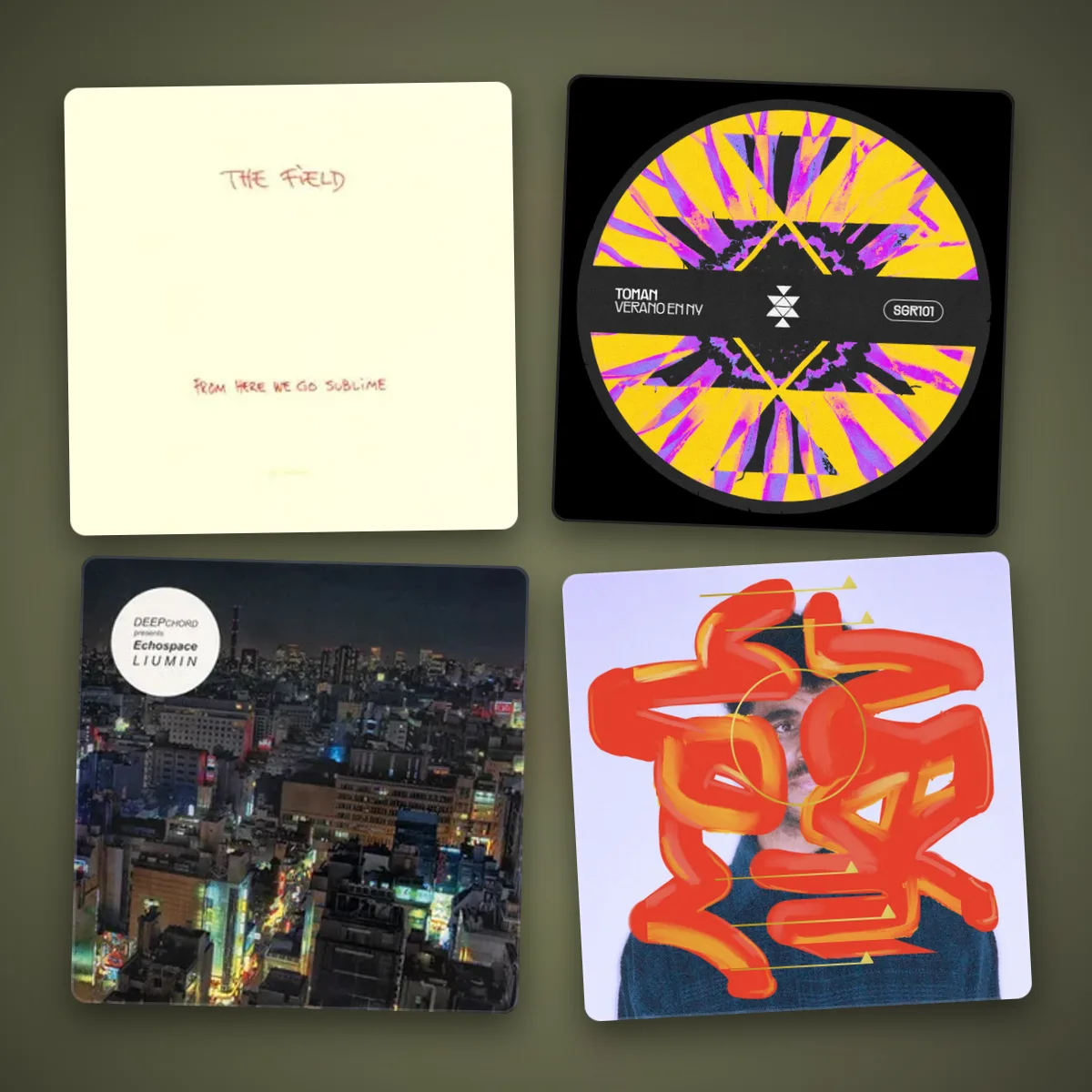
Top albums





Best playlists

Other similar genres
Genres sharing the most artists with Berlin Minimal Techno