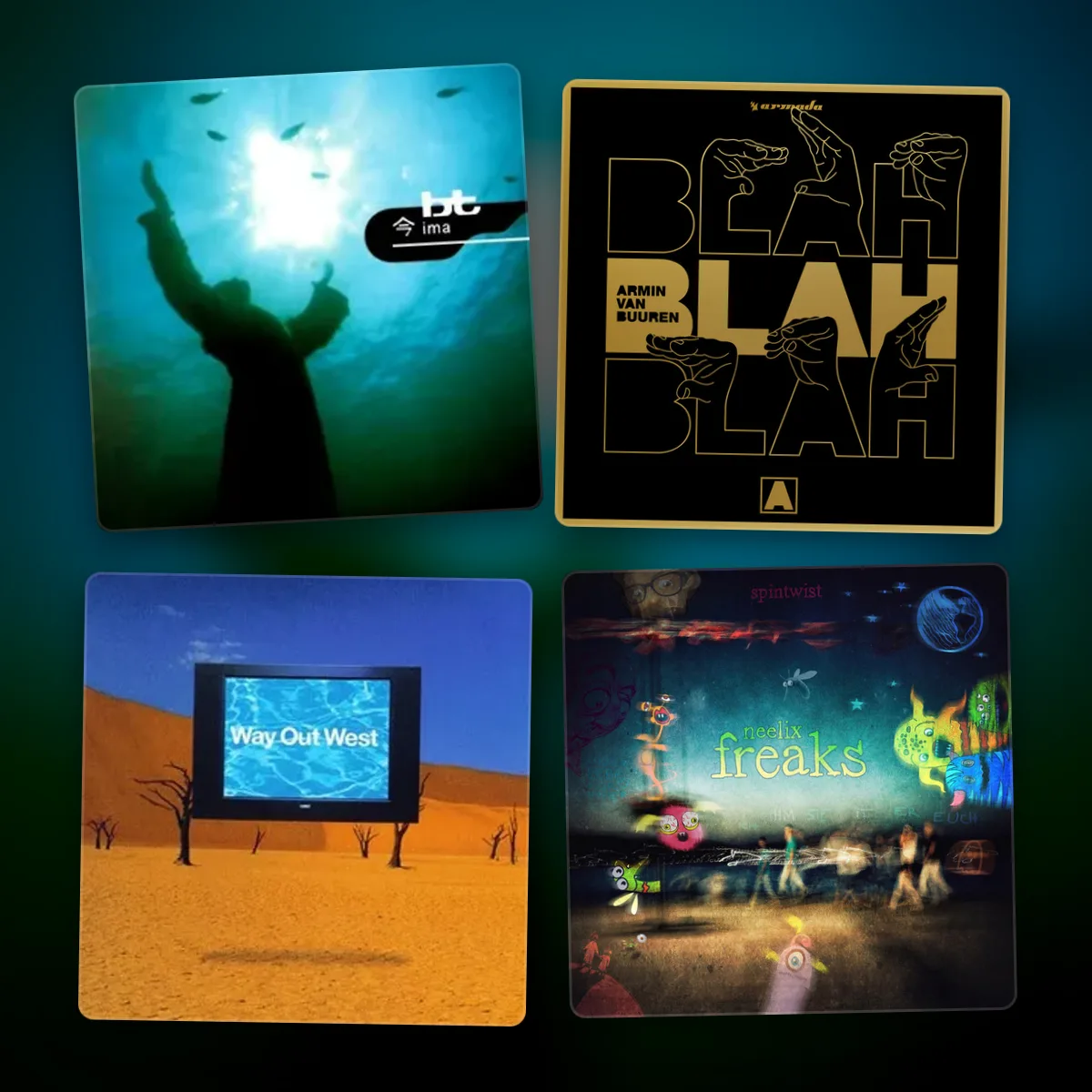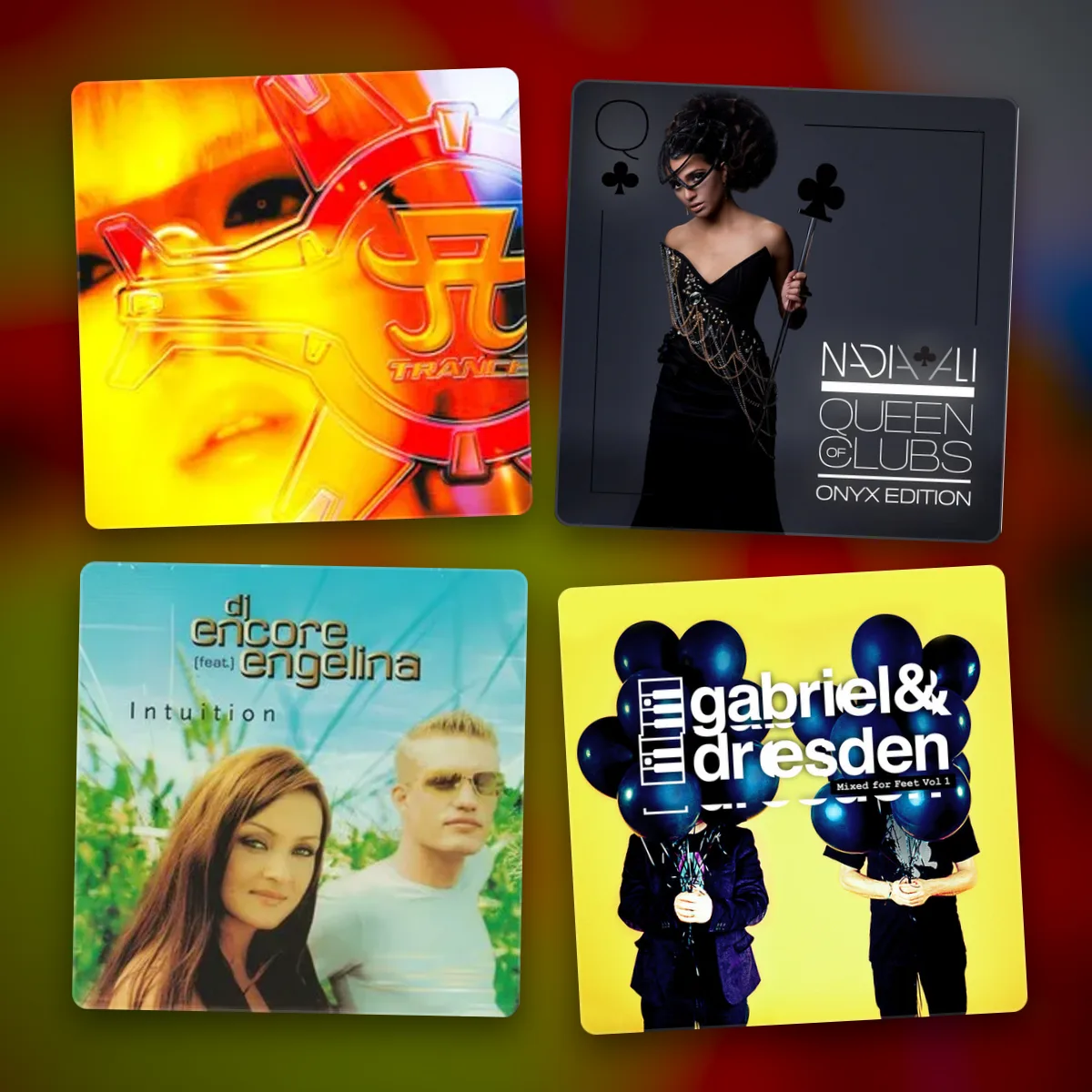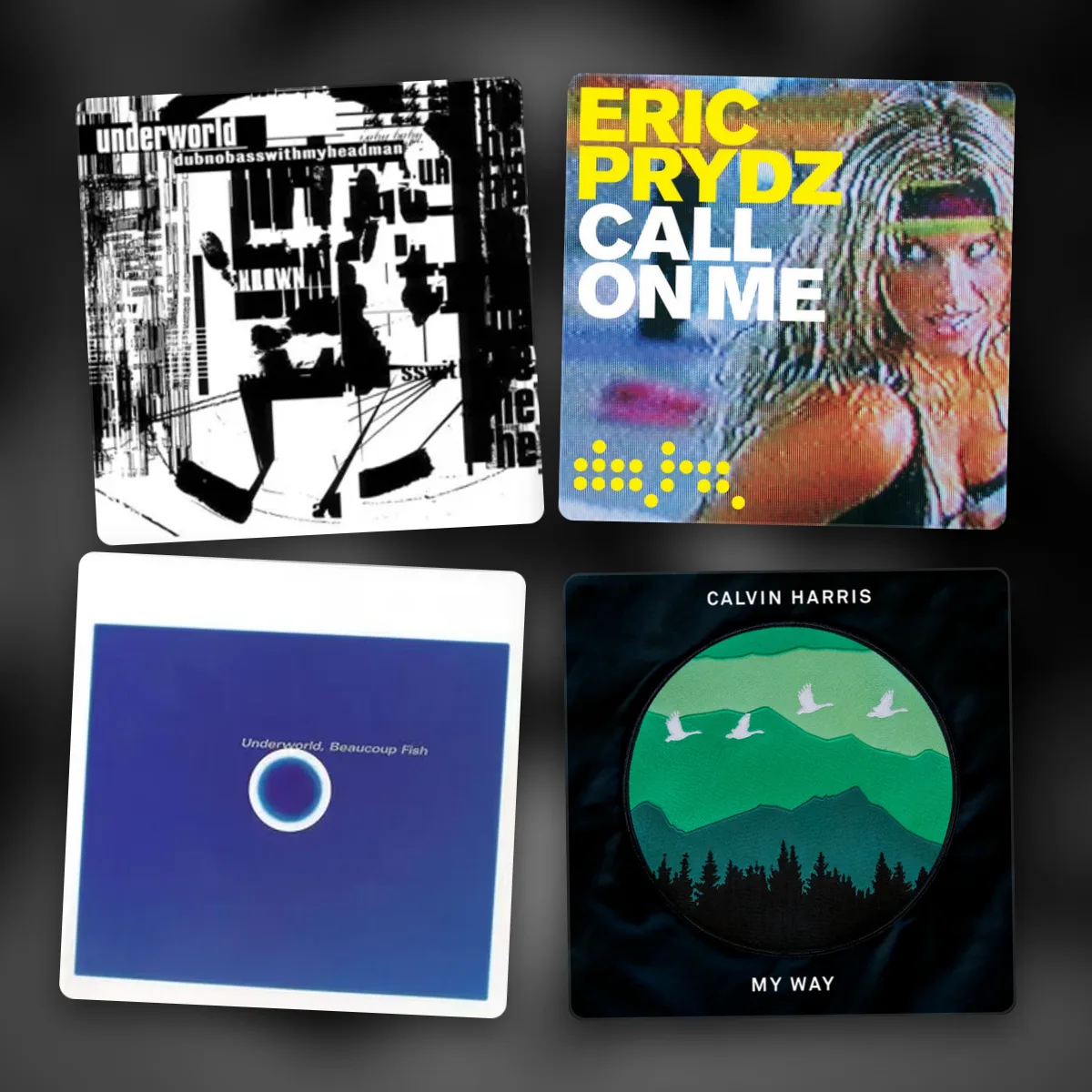
Description
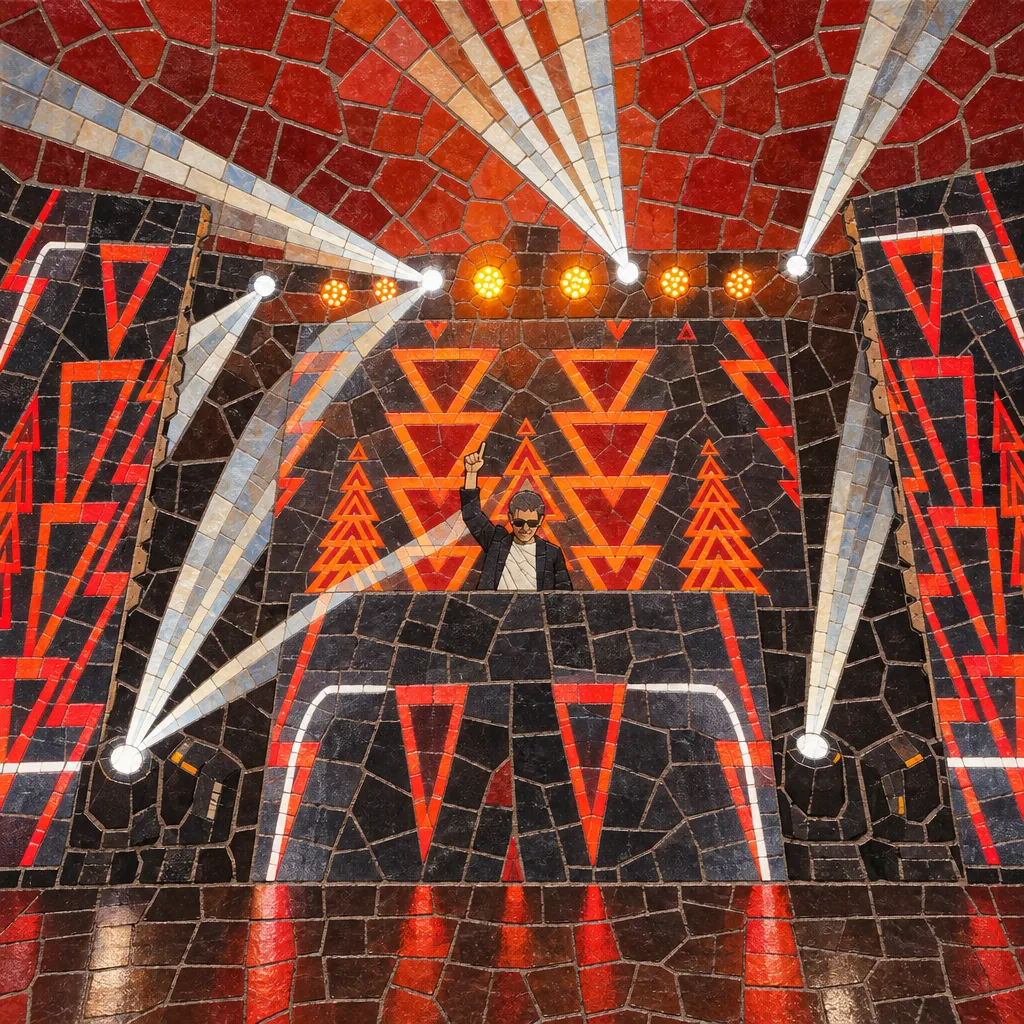
Big room trance is a style of trance that combines the genre’s characteristic bassline and hi-hat patterns with the expansive, heavily processed sound associated with big room house. Its leads are often dirty and distorted, with influences from Dutch house and hardstyle.
Strong sidechain effects, spacious reverb and the emphatic “pryda snare” are prominent production features. Unlike big room house tracks that rely on a long-tailed kick for much of their low end and percussion, big room trance generally retains a distinct trance bassline and hi-hat pattern. Its reported tempo range is 128–136 BPM.
Based on: Rate Your Music
More on: MusicBrainz, Wikidata
History
Emergence
Big room trance emerged in the late 2000s, developing chiefly from tech trance and trance influenced by electro house. Uplifting trance and hard trance also contributed to its formation. W&W are regarded as pioneers of the style.
Growth
The style gained popularity in the mid-2010s, helped by artists including Armin van Buuren, Andrew Rayel and MaRLo. Releases appeared on labels including Reset Records, Armada Captivating and, particularly later, Armind.
Late-2010s developments
The late 2010s brought the side project NWYR and the formation of inHarmony Music and Reaching Altitude Records, which promoted newer artists. Producers also began occasionally incorporating psytrance influences; this contributed to a trend toward more commercialized psytrance.
Rhythm and bass
Build around a trance-style bassline and hi-hat pattern rather than leaving the kick to carry the low end and percussion alone. The reported tempo range for the style is 128–136 BPM. Use sidechain processing to make the other elements give way prominently to the kick.
Leads and space
Create a forceful lead with distortion or saturation, drawing on the sharp, dirty sound associated with Dutch house and hardstyle. Give selected sounds a large reverberant space, while keeping the bassline and rhythmic details clear. An emphatic, reverberant “pryda snare” can add a recognizable big room production accent.
Arrangement
A common approach in trance is to develop a repeating melodic or harmonic idea through gradual changes in texture. You could contrast a spacious breakdown with a fuller section where the lead, bassline and hi-hats return together. Psytrance-inspired details are another possible option, reflecting an occasional later influence on the style.

Big Room Trance Ableton Live Project Vol. 1
nextproducers

MAKING BIG ROOM (TRANCE) FROM SCRATCH! EP 5 | EAR CANDY MIX & MASTERING | [Youtube Cut] FL STUDIO 20
Olly James

MAKING BIG ROOM (TRANCE) FROM SCRATCH! EP 4 | RECORDING YOUR OWN VOCALS | [Youtube Cut] FL STUDIO 20
Olly James

Ableton 11 | How to make Big Room Trance | EDM Tutorial
BrianMadjax

Top Big Room Trance tracks
- Listen to This Is What It Feels Like by Armin van Buuren, Trevor GuthrieThis Is What It Feels LikeArmin van Buuren, Trevor Guthrie · Intense, 2013
- Listen to Nothing Left of You by NeuroWulfNothing Left of YouNeuroWulf · Trinity, 2020
- Listen to Open End Resource - In My Next Life Mix by Andrew Bayer, Alison MayOpen End Resource - In My Next Life MixAndrew Bayer, Alison May · In My Next Life, 2019
- Listen to Nothing Is Over by Alexander Popov, Natalie Gioia, Attila SyahNothing Is OverAlexander Popov, Natalie Gioia, Attila Syah · Intention, 2018
- Listen to How Do I Know by Andrew Rayel, JanoHow Do I KnowAndrew Rayel, Jano · Find Your Harmony, 2014
- Listen to There Will Be Angels by Ben Gold, Audrey GallagherThere Will Be AngelsBen Gold, Audrey Gallagher · Sound Advice (Chapter One), 2018
- Listen to Two Sides by Nitrous Oxide, Jess MorganTwo SidesNitrous Oxide, Jess Morgan · Avalon, 2019
- Listen to Nothing Stopping Me by RAM, Clara YatesNothing Stopping MeRAM, Clara Yates · Wanderlust, 2023
- Listen to The Space Track [Bonus Track] - Andrew Rayel Stadium Remix by Bobina, Andrew RayelThe Space Track [Bonus Track] - Andrew Rayel Stadium RemixBobina, Andrew Rayel · Same Difference (Spotify Bonus Track Version), 2013
- Listen to Remember You As Mine by 4 Strings, Maria NaylerRemember You As Mine4 Strings, Maria Nayler · A Brand New Day, 2020

Top albums
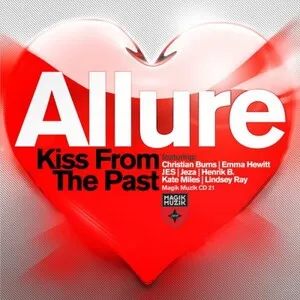
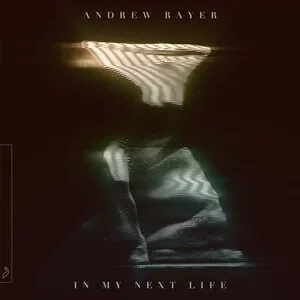


Best playlists
Big Room Trance
Melodigging

Big Room Trance: The Epic Comeback (2025 Mix)
ΛXIIOS™ OFFICIAL

Best Big Room Trance Mix 2020 (Incl. Mainstage/Tech Trance) | GM003
Gam's

Best Big Room Mix 🔥 | Festival EDM ,Sick Drops ELECTRO RADIO #028
I5&M5
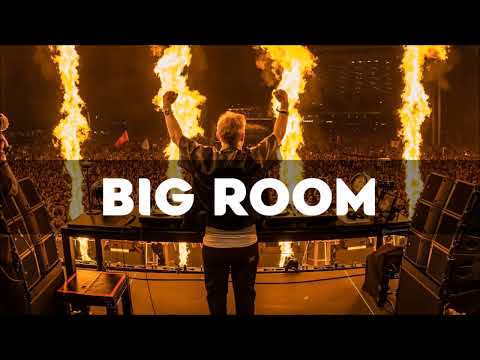
BIG ROOM 2026 ⚡ Massive Bigroom & EDM Festival Drops (Mainstage Mix)
Micho Mixes
Influenced by





Other similar genres
Genres sharing the most artists with Big Room Trance