Description
Black Americana is a broad way of describing Americana and American roots music made by Black artists, rather than a single, tightly defined sound. It can draw on the expressive depth and blue notes of blues while exploring themes such as hardship and personal experience.
Some artists use the term for music that looks both backward and forward, bringing country, blues and soul into a genre-defying approach. The banjo and its Black origins are also meaningful to artists exploring this tradition. Festival organizers challenge the perception of Americana as exclusively non-Black, while one artist describes encountering predominantly white, male-run spaces where her belonging is questioned.
Based on: blackamericanafest.com, americanbluesscene.com, oxfordamerican.org
More on: Every Noise at Once

Yes, Black People Created Country Music! #blackhistory #history #countrymusic #country #black
Black Feelings

What does Black Americana mean?
City Farmhouse Antiques
History
Roots and identity
Black Americana is connected to the wider history of Black contributions to American roots music. Rather than naming one uniform style, the term can emphasize the place of Black musicians and their experiences within Americana. Rhiannon Giddens is among the artists whose engagement with the banjo’s Black origins has inspired others to explore the field.
Contemporary approaches
Some musicians have used Black Americana, alongside the name Future Roots Music, for work that resists a straightforward genre classification and combines a sense of roots with an openness to new directions.
BlackAmericana Fest celebrates Black artists’ contributions to Americana and brings together artists and supporters around questions of the music’s place in New Orleans. Its organizers also seek greater representation and encourage young Black artists to make music in the tradition.
Start with a roots vocabulary
Treat the style as an open framework rather than a fixed recipe. You could build a song around a roots-music melody and use blue notes for expressive color. Lyrics might address hardship or draw on personal experience, with the vocal delivery carrying the emotional detail.
Choose and combine influences
The banjo is one possible starting point, though it is not required. You could also bring together elements associated with country, blues and soul: for example, use a blues-inflected vocal phrase against a country-style accompaniment, then shape the arrangement around a more soulful vocal performance.
Arrange around the song
A common approach in roots music is to begin with a voice and one accompanying instrument, then add parts only where they support the lyric and melody. Leave room for instrumental responses between vocal lines, and let changes in texture or intensity follow the emotional movement of the song.

Rhiannon Giddens breaks down the clawhammer banjo style 🪕 during our latest Newport Session #shorts
Newport Folk Festival

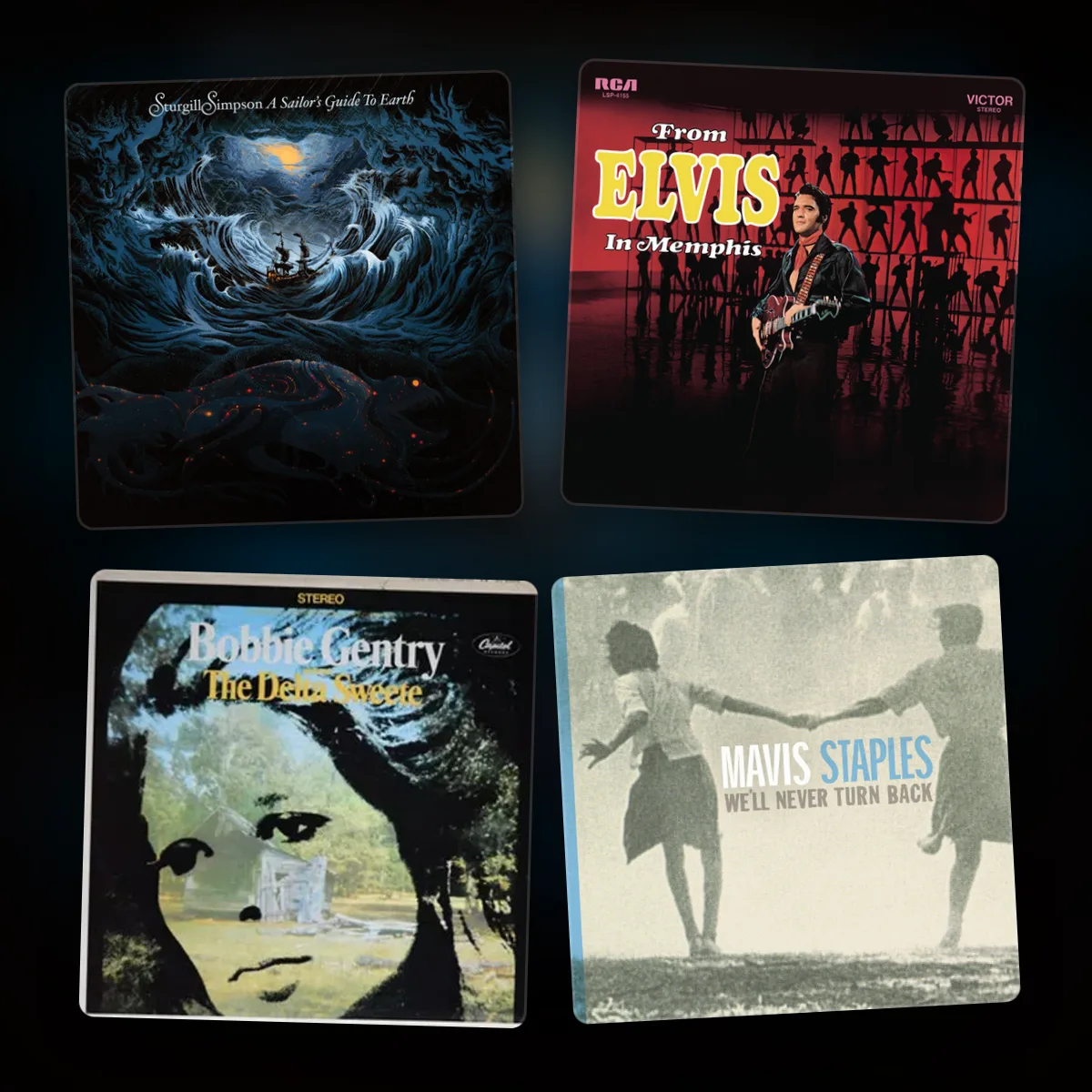
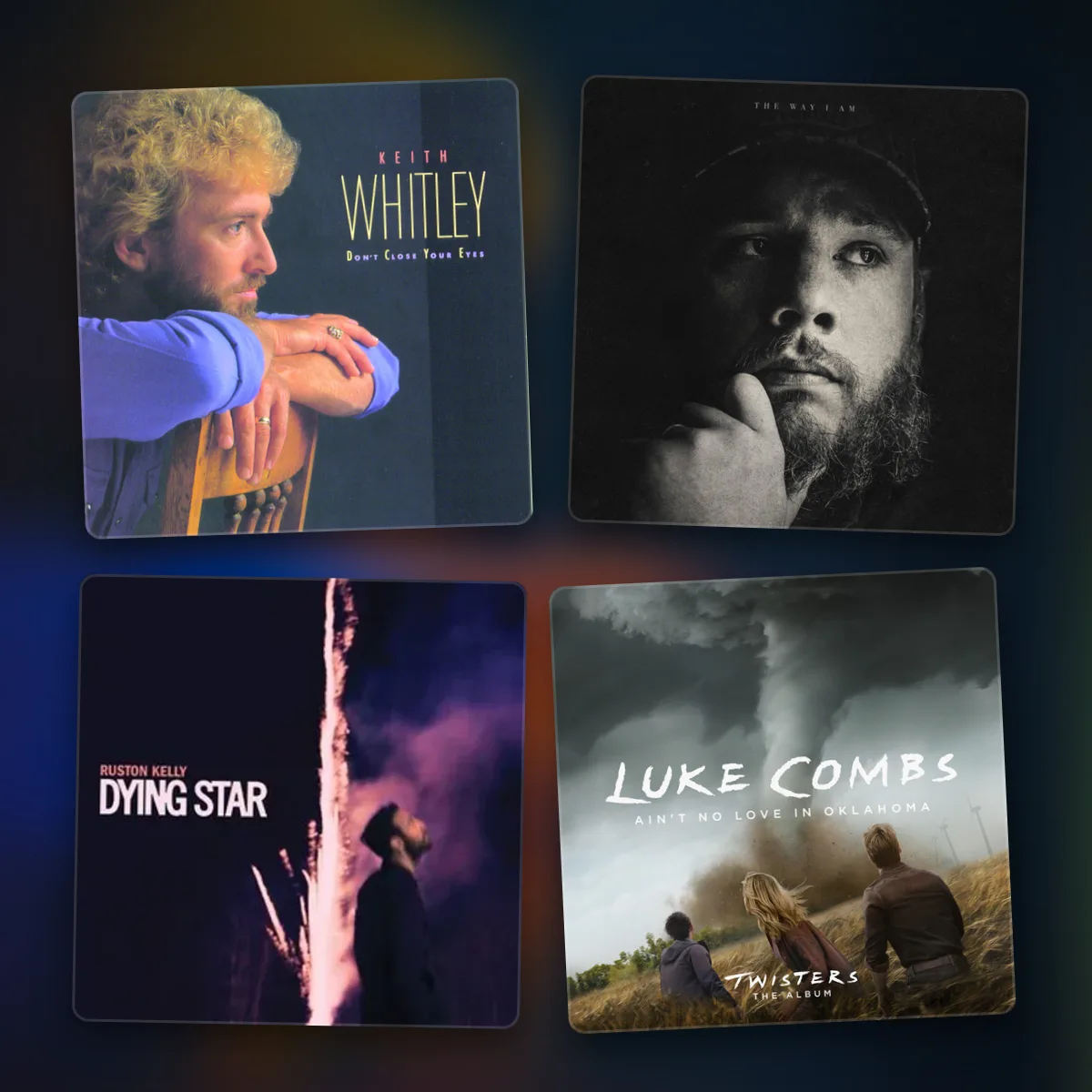
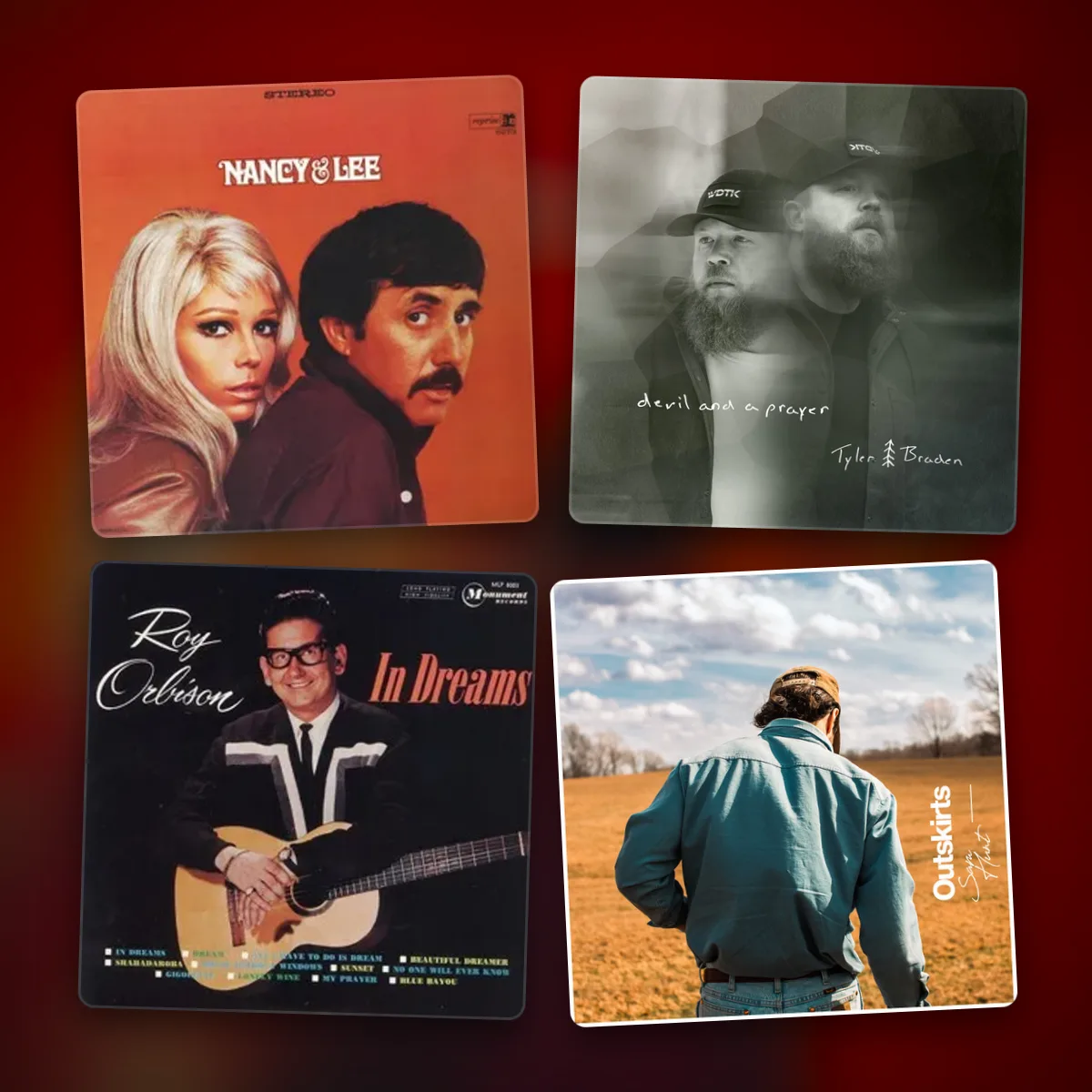
Top albums


Best playlists

Influenced by


Other similar genres
Genres sharing the most artists with Black Americana