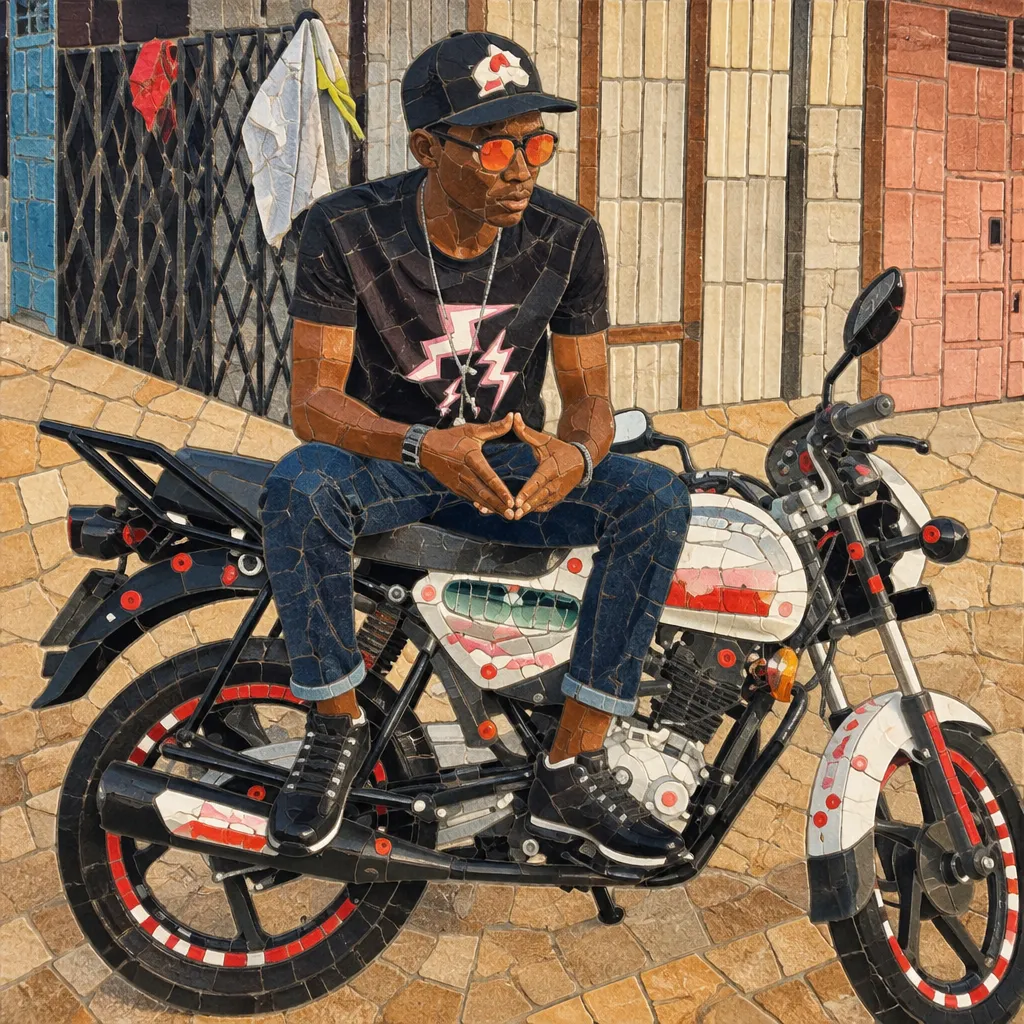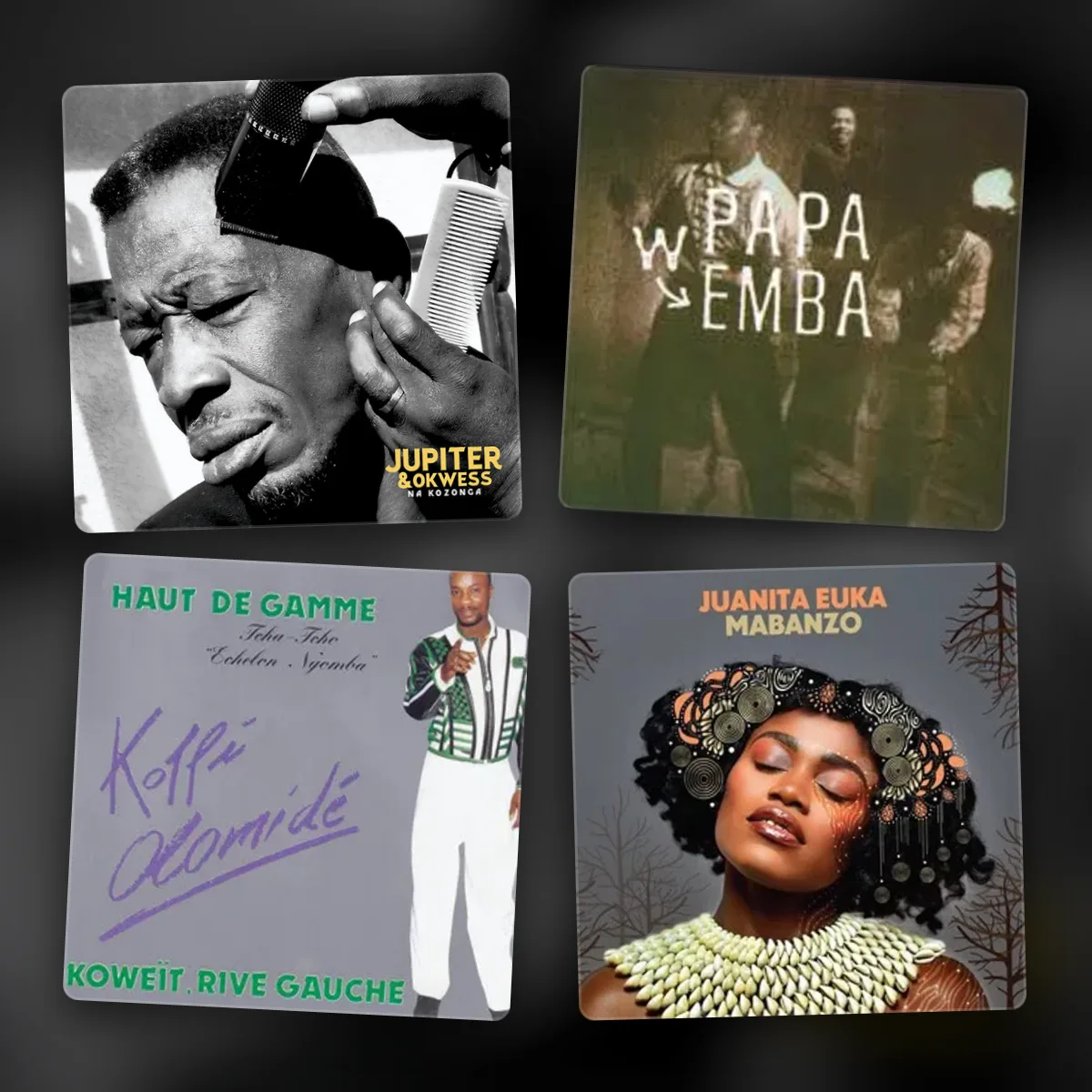
Description
Bongopiano, also called Bongo Piano, blends the deep, woody log-drum pulse of amapiano with the melodic, often romantic sensibility of bongo flava. Swahili vocals can sit over hypnotic, dance-oriented beats, while jazz-influenced chords provide a harmonic backdrop.
The fusion gives amapiano a Tanzanian inflection and can also draw on other local styles, including singeli and Baibuda. Its appeal lies in the meeting of a spacious rhythmic foundation with expressive, memorable melodies.
Based on: pulse.co.ke, mdundo.com, discover.mbeatz.org, Wikipedia
History
Emergence in Tanzania
Bongopiano emerged in Tanzania during the 2020s as artists brought bongo flava and amapiano together. The name Bongo Piano came to identify a local adaptation of amapiano that could incorporate other Tanzanian styles as well.
Artists and exchange
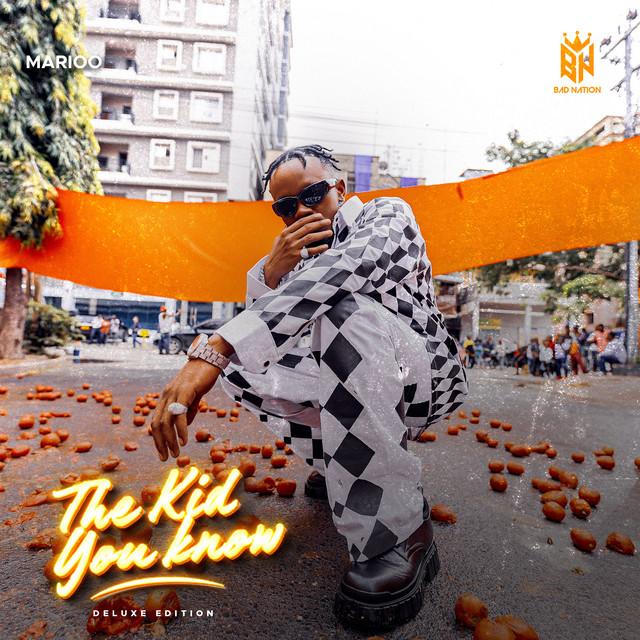
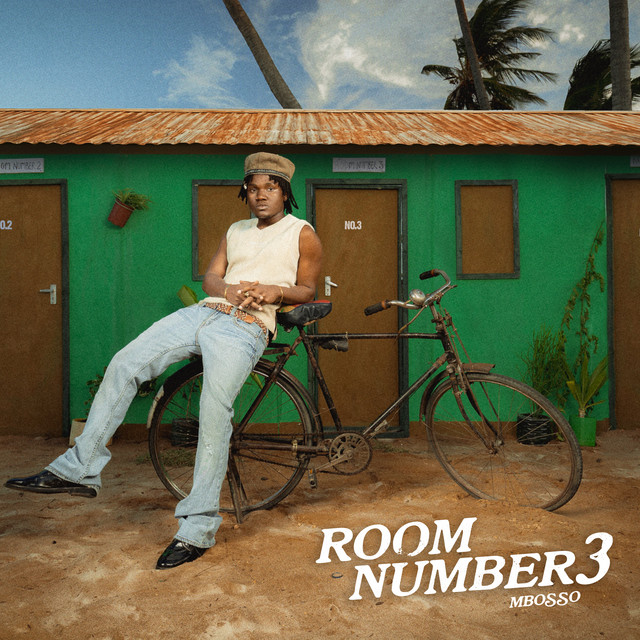
Diamond Platnumz, Harmonize, Marioo, Nandy, Jux, Mbosso and Zuchu are among the Tanzanian artists associated with bongopiano songs. Harmonize’s “Single Again” is one example of the style.
The music has also grown through collaborations between East and South African artists. As well as appearing together on bongopiano songs, South African artists have sought East African performers for their own tracks, making the exchange a two-way process.
Build the rhythmic foundation
Start with an amapiano-inspired groove centered on a deep log-drum sound. Give its woody pulse enough space to remain distinct, and use percussion to establish a hypnotic, danceable motion rather than filling every gap.
Shape the melody and harmony
Write an expressive, memorable vocal melody with the romantic character associated with bongo flava. Swahili lyrics are a natural option. Try jazz-influenced keyboard chords beneath the vocal, leaving room for both the melody and the log drum.
Arrange the fusion
Balance the rhythmic weight of amapiano with the melodic emphasis of bongo flava. You could introduce the parts gradually, vary the percussion between sections and let the vocal lead the changes. As an additional option, explore rhythmic ideas from singeli or Baibuda while keeping the central groove and melody clear.

easy sebene play professionals will not show you #pianotok #pianotutorial #rhumba #sebene
Humble keys

Top albums








Best playlists


Influenced by



Other similar genres
Genres sharing the most artists with Bongopiano