Description
Brooklyn drill is a form of East Coast hip-hop that helped lay the groundwork for New York drill. It combines the stark, syncopated sound associated with UK drill with expressive rap flows and memorable hooks.
Its vocal rhythms can lean on triplets, giving the delivery a rolling motion against the beat. The result retains drill’s raw, grim character while placing a strong emphasis on hooks.
Based on: Rate Your Music

The STORY of BROOKLYN DRILL
New School Stories

Der Drill in Brooklyn: Von Bobby Shmurda zu Pop Smoke (Dokumentation)
Richie Makaveli

The difference between Bronx & Brooklyn drill? - D Thang
Chinatown Sound
History
Early scene
Brooklyn drill emerged in the 2010s. Early in the decade, Bobby Shmurda and Rowdy Rebel were part of a formative scene influenced by Chicago drill.
A new sound and wider attention
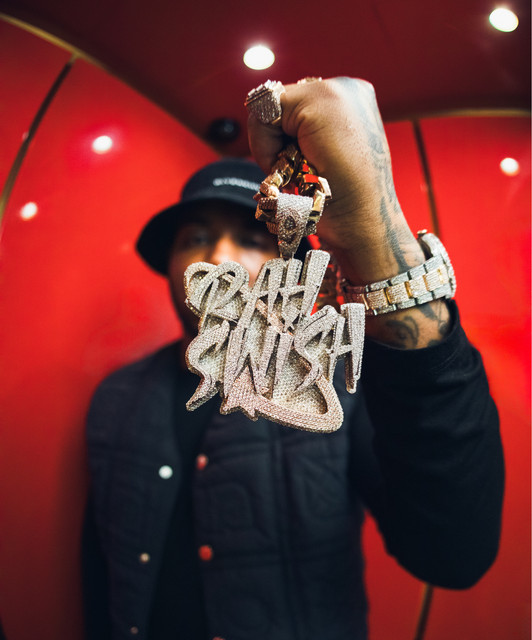
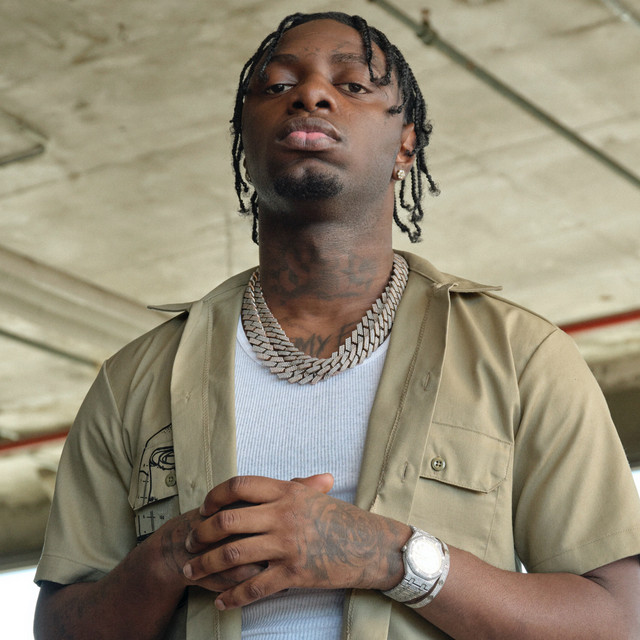
A wave of Brooklyn artists emerged in the middle of the decade, including 22Gz, Rah Swish and Sheff G. They drew on the UK drill sound developing in London. British producers 808 Melo and Axl Beats also helped shape the scene through their work with Brooklyn rappers.
Pop Smoke’s “Dior” and “Welcome to the Party” and Fivio Foreign’s “Big Drip” brought the scene to mainstream attention. Pop Smoke died in 2020, after which attention increasingly shifted to drill scenes elsewhere in New York, especially the Bronx.
Later developments
Some Brooklyn rappers moved away from conventional UK-derived sounds toward New York styles such as sample drill. Sheff G and Sleepy Hallow were among the artists associated with that development.
Build the rhythmic foundation
Aim for a grim, raw atmosphere and a syncopated pulse. You could start with a programmed drum pattern and bass, then shift some accents away from the most predictable beats. Leave enough space for the vocal rhythm to remain clear.
Shape the vocal
Try an expressive delivery that moves through triplet phrases. Contrast those rolling passages with a concise hook that is easy to remember and repeat. The tension between the stark beat and the more immediately catchy refrain is a useful organizing principle.
Arrange the track
You could introduce the main rhythmic idea early, then use changes in the drum pattern or brief pauses to distinguish verses from the hook. Keep the arrangement focused so that the interplay between the beat, flow and refrain carries the track.

HOW TO MAKE NY DRILL TYPE BEATS FOR FIVIO FOREIGN & POP SMOKE
Jay Cactus TV

From Scratch: a Brooklyn Drill song in 7 minutes | FL Studio Tutorial
J. Rent

Best playlists
Influenced by
Other similar genres
Genres sharing the most artists with Brooklyn Drill