Description
C64 music, often called SID music, is music made for the Commodore 64’s SID sound chip. Its early sound is associated with an unpredictable, slightly distorted character, partly because the chip’s filters could behave differently from one unit to another.
It is not a single musical style: composers developed their own programming methods and sounds, producing a wide range of approaches. Early pieces often had a recognizably C64 character, while later SID music became more varied in style.
Based on: atlantis-prophecy.org, soundtracker-museum.com
More on: Every Noise at Once

Making music with a Commodore 64 is easy | And you don't have to learn programming
Espen Kraft

ROB HUBBARD - COMPOSING FOR C64
GRACIOUS FILMS
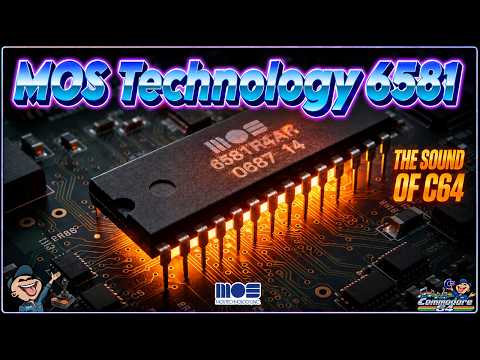
The Commodore 64 SID Chip Explained | The Sound That Defined C64 Music
Cheeky Commodore Gamer
History
Early game music
Early Commodore 64 games often used simple sound effects rather than music. When music became more common, it included adaptations of classical pieces and popular songs. Composers including Galway, Hubbard and David Dunn helped establish a period of original music-making on the machine.
The demoscene
A Commodore 64 demoscene emerged in 1985. At first, few scene members could make music, but a development in late 1986 helped bring about a role for dedicated demoscene composers. Musicians and programmers shared discoveries, created editors and devised new sound techniques.
Continuing practice
As SID composition developed, its styles broadened beyond the sound associated with earlier C64 music. The practice also helped shape chiptune, and new SID pieces continue to be made using the chip and its emulations.
Work with the SID sound
Start with the SID chip or an emulation and explore how its filters affect a sound. Try adjusting the filtering and distortion by ear: the slightly unpredictable character of early SID music is part of its appeal. Experiment with your own sound settings rather than treating one preset as the definitive C64 sound.
Build a piece
Use an editor or programming tools to develop a melody, accompaniment and rhythmic pattern. In related chiptune practice, a useful approach is to begin with a short, memorable melodic idea and vary it over a repeating accompaniment. You could also experiment with different note attacks and timbres to give each part a distinct role.
Develop a personal approach
Refine both the composition and the technique used to produce it. C64 composers have used different methods and sound tricks, so a piece can draw on the chip’s recognizable character without being confined to one musical style.

Making 8-bit Music From Scratch at the Commodore 64 BASIC Prompt
lftkryo

C64 Tutorial, how to make music with the SID Chip!
Crisps

How to Make SID Style Music
Ste Ingham

Demonstrating my C64 music editor with Mitch & Dane - Dazzler
JuomariTurmio

Top albums







Best playlists

Influenced by

Has influenced

Other similar genres
Genres sharing the most artists with C64