Description
Cavernous death metal is a form of death metal built around a blurred, engulfing sound. Slow-moving passages can make riffs smear together, while reverb shapes the music rather than merely adding a finishing effect.
The resulting space makes individual riffs difficult to locate within the overall texture. Incantation is particularly associated with the sound, while Portal and Dead Congregation developed it into a more distinct approach.
Based on: kaosmetal.com, grimmgent.com, wormwoodchronicles.net
More on: Every Noise at Once
History
A formative sound
Incantation’s Onward to Golgotha, released in 1992, is regarded as an ancestor of cavernous death metal. Its dragging tempos and prominent reverb helped establish the diffuse sound associated with the style.
A developing approach
Portal in Australia and Dead Congregation in Greece developed the approach further. Incantation has remained a central reference point for later bands working with a cavernous sound, including Frozen Soul, Sanguisugabogg and Skeletal Remains.
Build the riffs
Start with death metal riffs that can sustain a heavy, slow-moving passage. Let notes and chords overlap enough that the riff feels like part of a continuous mass rather than a sharply separated line.
Make space part of the arrangement
Use substantial reverb as a compositional element: allow its tail to carry sounds into the following phrase and blur their boundaries. Balance the instruments so the listener encounters an enveloping texture rather than a clearly isolated riff.
Develop the performance
A common approach in death metal is to combine distorted guitars, forceful drums and harsh vocals. You could use those elements as a starting point, then adjust their placement and reverberation to support the dense, indistinct atmosphere.

Top albums
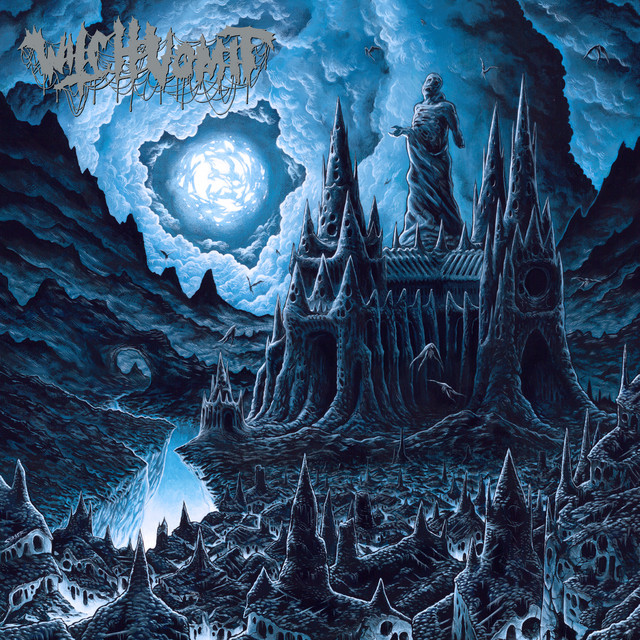
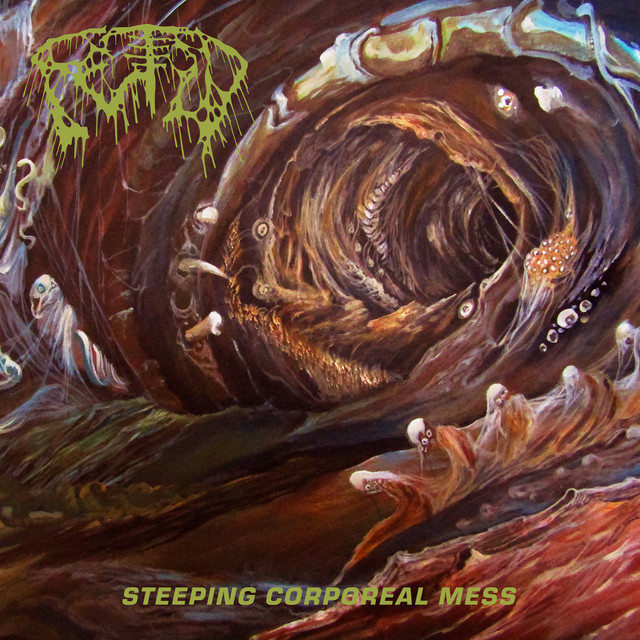

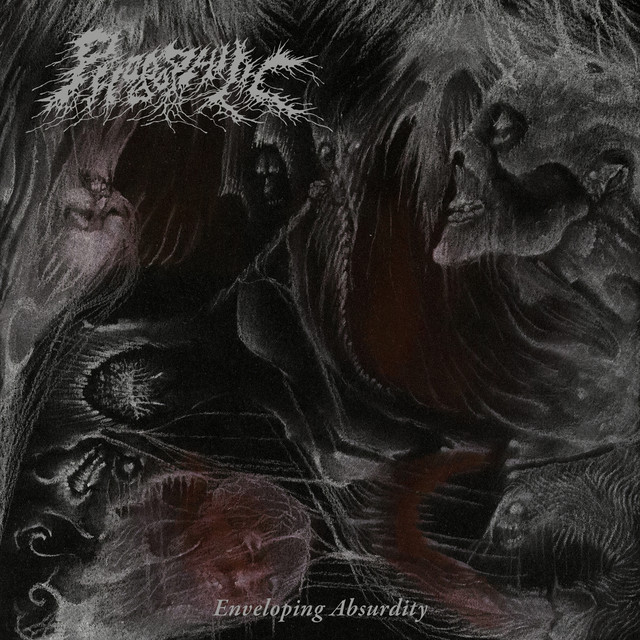

Best playlists

Influenced by
Other similar genres
Genres sharing the most artists with Cavernous Death Metal