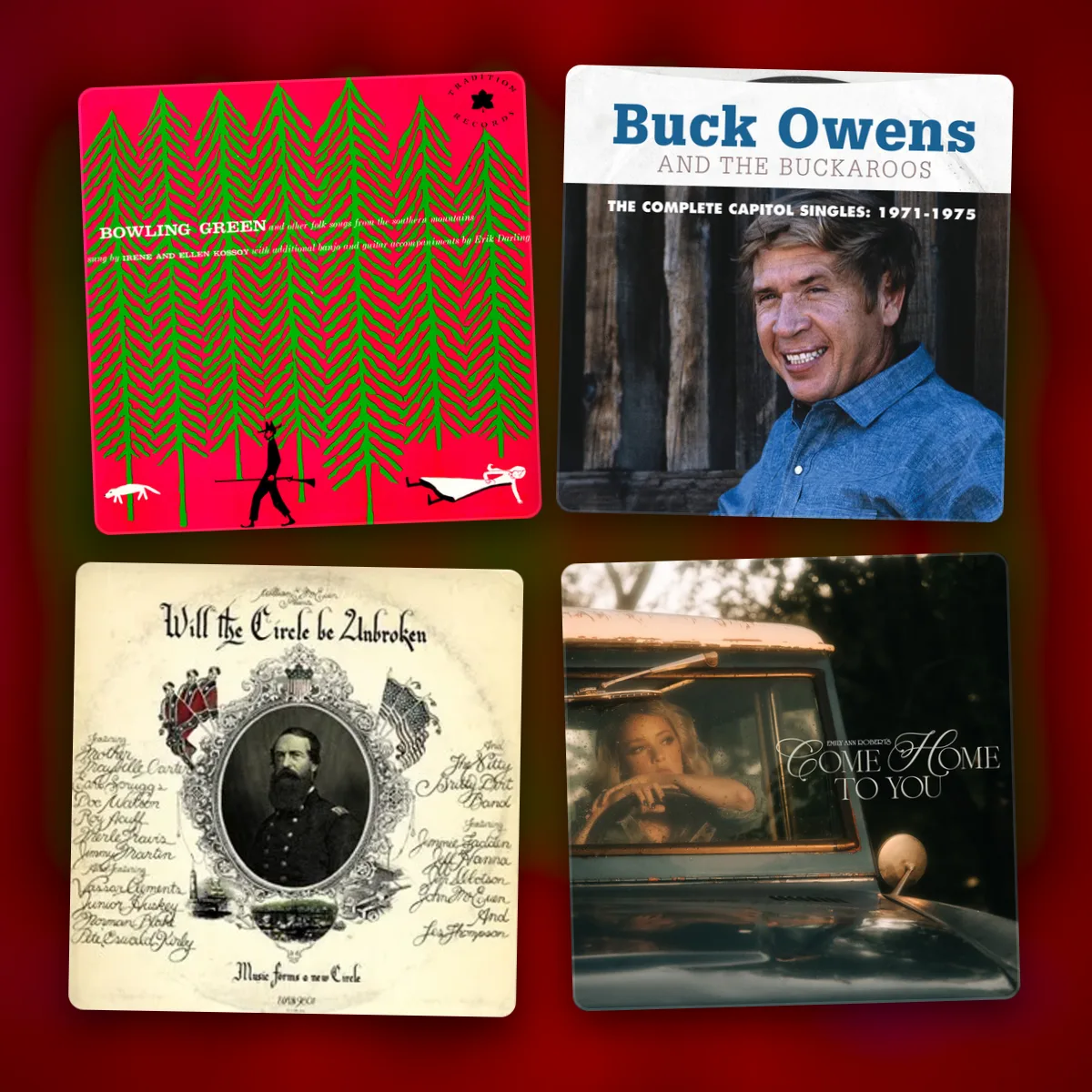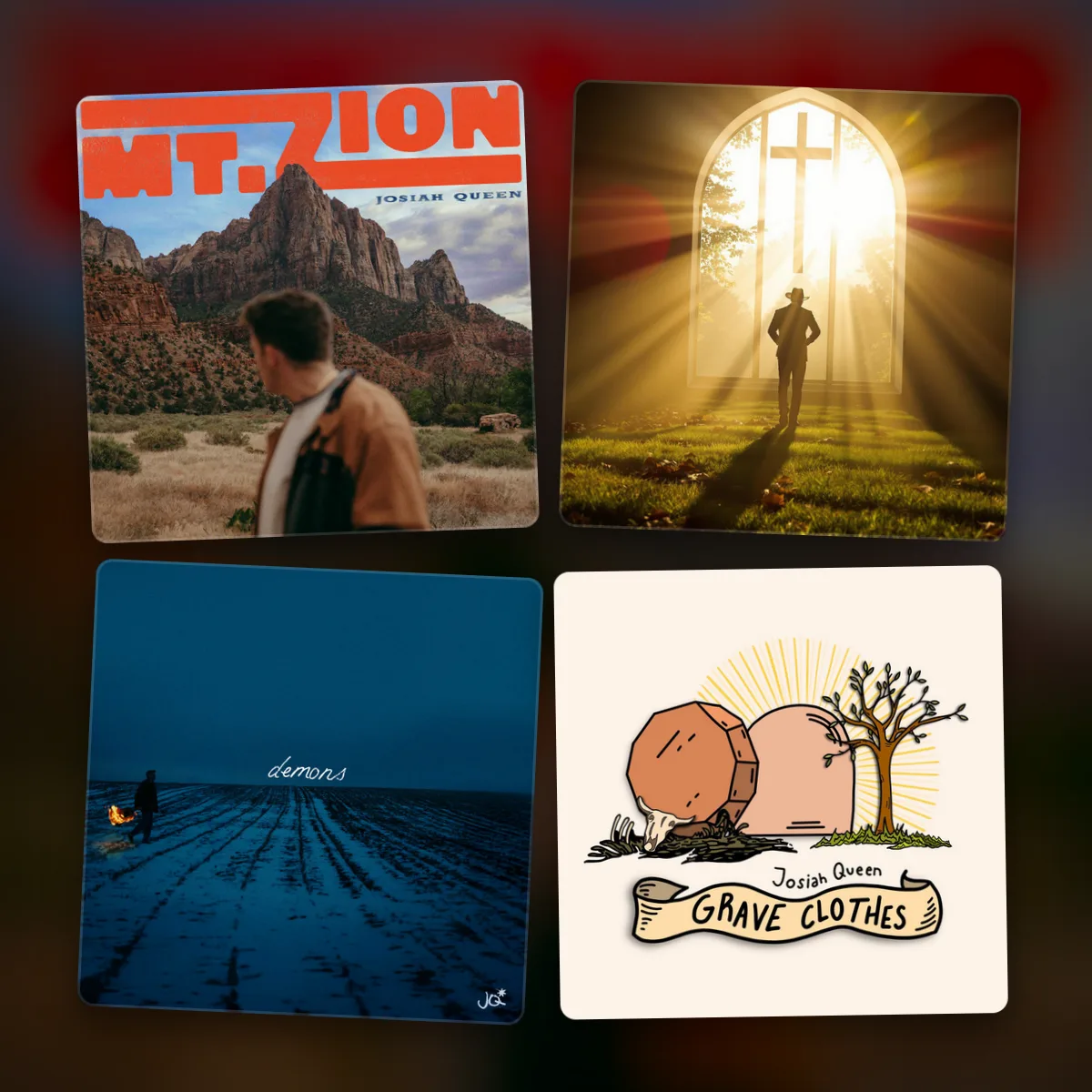
Description
Christian country is a country-music style whose lyrics explicitly express Christian faith, testimony, and biblical storytelling while retaining the sounds and songcraft of mainstream country. It blends the twang of acoustic and electric guitars, pedal steel, fiddle, and piano with warm vocal harmonies rooted in southern gospel.
The genre ranges from traditional honky-tonk and bluegrass-flavored arrangements to contemporary Nashville productions and pop-country ballads. Songs emphasize hope, redemption, family, community, and everyday spirituality, often presented as first‑person narratives or moral parables.
No reference source documents this genre yet.
History
Early roots (1920s–1960s)
Country artists have recorded spirituals and hymn settings since the earliest commercial country recordings (e.g., the Carter Family), while southern gospel quartets routinely borrowed country instrumentation. These parallel traditions laid the groundwork for a distinct, faith-forward country style.
Emergence as a recognizable style (1970s–1980s)
By the 1970s, a cohort of artists began centering country craft around explicitly Christian narratives—drawing heavily from southern gospel harmony and bluegrass picking, but using Nashville’s studio polish. Crossovers between gospel circuits and country radio became more common, and artists who moved between those worlds helped codify a “Christian country” identity.
Format building and industry infrastructure (1990s)
In the early 1990s, radio formats such as “Positive Country” appeared, programming faith-affirming country alongside mainstream-friendly production. New labels, charts, and trade organizations (e.g., Christian/Inspirational country associations and awards) provided a dedicated pipeline for artists, programmers, and promoters, distinguishing Christian country from both mainstream country and CCM while remaining adjacent to both.
2000s–present: Crossover and diversification
The 2000s saw notable chart successes of explicitly Christian country singles on mainstream country radio and a steady flow of worship-leaning country releases. Production broadened—from rootsy, bluegrass-inflected projects to contemporary pop-country ballads with CCM-style hooks—while lyrical themes continued to foreground testimony, encouragement, and everyday faith. Today, Christian country thrives as a niche with periodic mainstream reach, a touring ecosystem of festivals and churches, and a catalogue that bridges Sunday worship and Saturday-night stages.
Core instrumentation
Use a country toolkit: acoustic and electric guitars (clean or mildly overdriven), pedal steel or lap steel for sustained emotive lines, fiddle for fills, piano/organ for pads, bass (upright or electric), and a light-to-moderate drum kit. Layer tight harmony vocals inspired by southern gospel.
Harmony and melody
Favor singable melodies and diatonic harmony. Common keys sit well for baritone/alto ranges. Typical progressions include I–IV–V, I–V–vi–IV, and I–vi–IV–V; add tasteful secondary dominants for lift. Use the Nashville Number System to plan, and consider a key lift (modulation up a whole or half step) for the final chorus.
Rhythm and form
Keep grooves rooted in country: two-step (2/4 or 4/4 with a backbeat), half-time ballads, or a gentle 3/4 waltz. Standard forms (verse–chorus–verse–chorus–bridge–chorus) work well. Add short instrumental turnarounds featuring pedal steel or fiddle between sections.
Lyrics and themes
Write in a conversational, narrative voice. Focus on testimony (personal faith journeys), grace, redemption, hope in hardship, family, community, and moral storytelling. Avoid preachiness by grounding ideas in relatable scenes (work, home, small-town life). Use vivid imagery and a memorable, affirming hook line in the chorus.
Arrangement and production
Blend organic, acoustic-forward textures with modern clarity: dry-to-moderate room ambience, stacked harmonies on choruses, and tasteful pads (organ or soft synth) for warmth. Keep dynamics restrained in verses and open up in the final chorus with fuller harmonies or a key change.
Performance tips
Deliver vocals with sincerity and clear diction; lean into quartet-style harmonies on choruses. Use call-and-response fills (vocal answered by pedal steel/fiddle). Keep solos concise and melodic, serving the lyric above all.

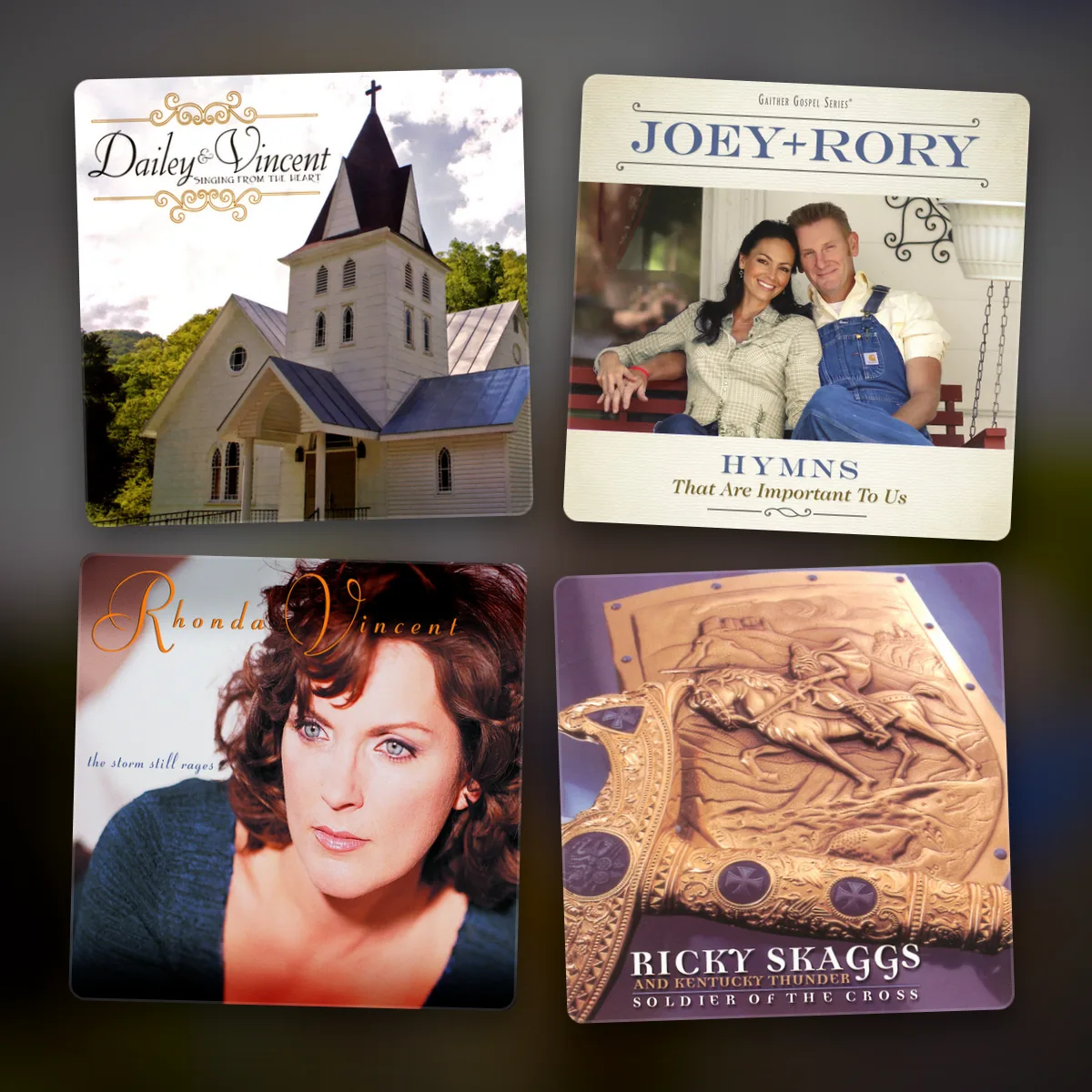
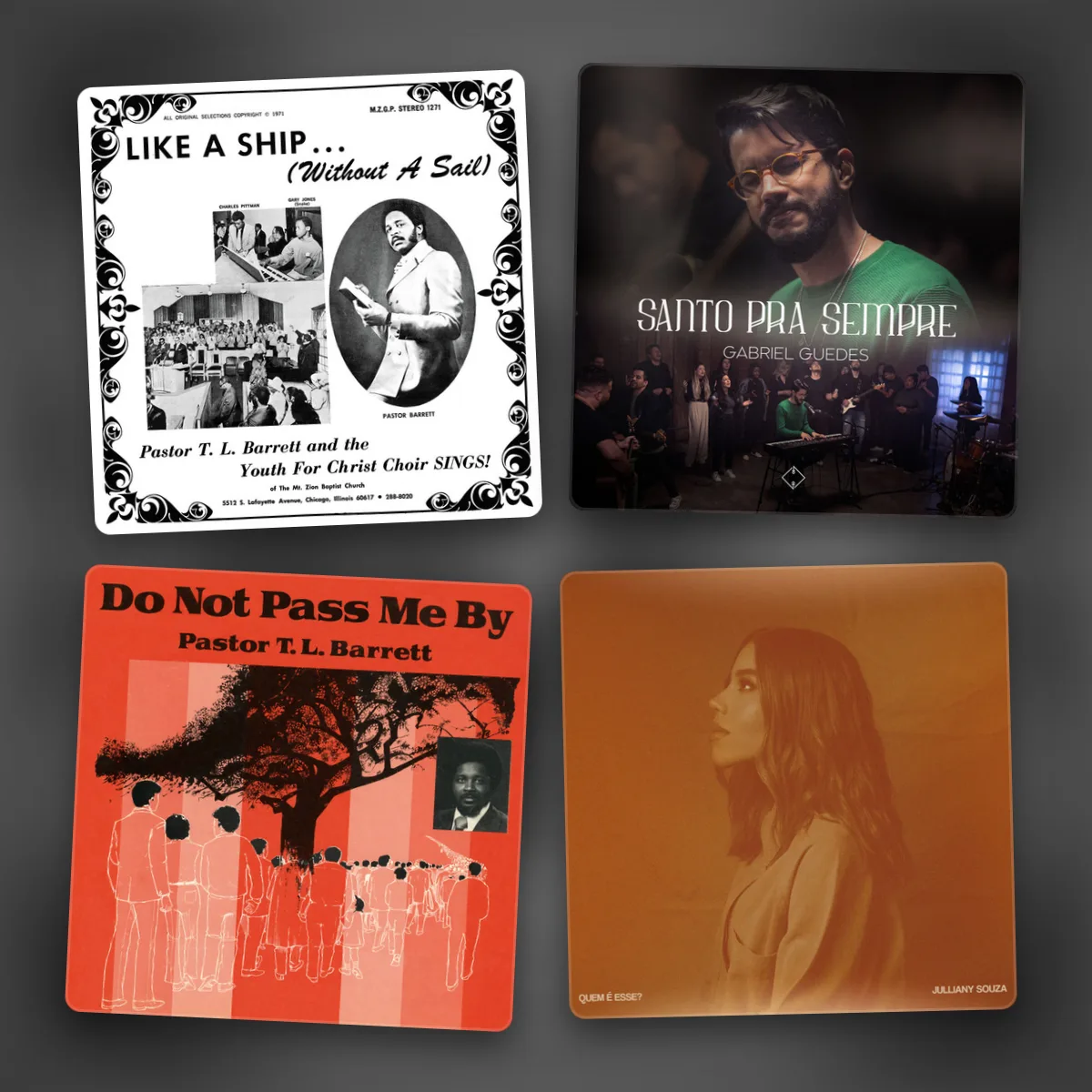
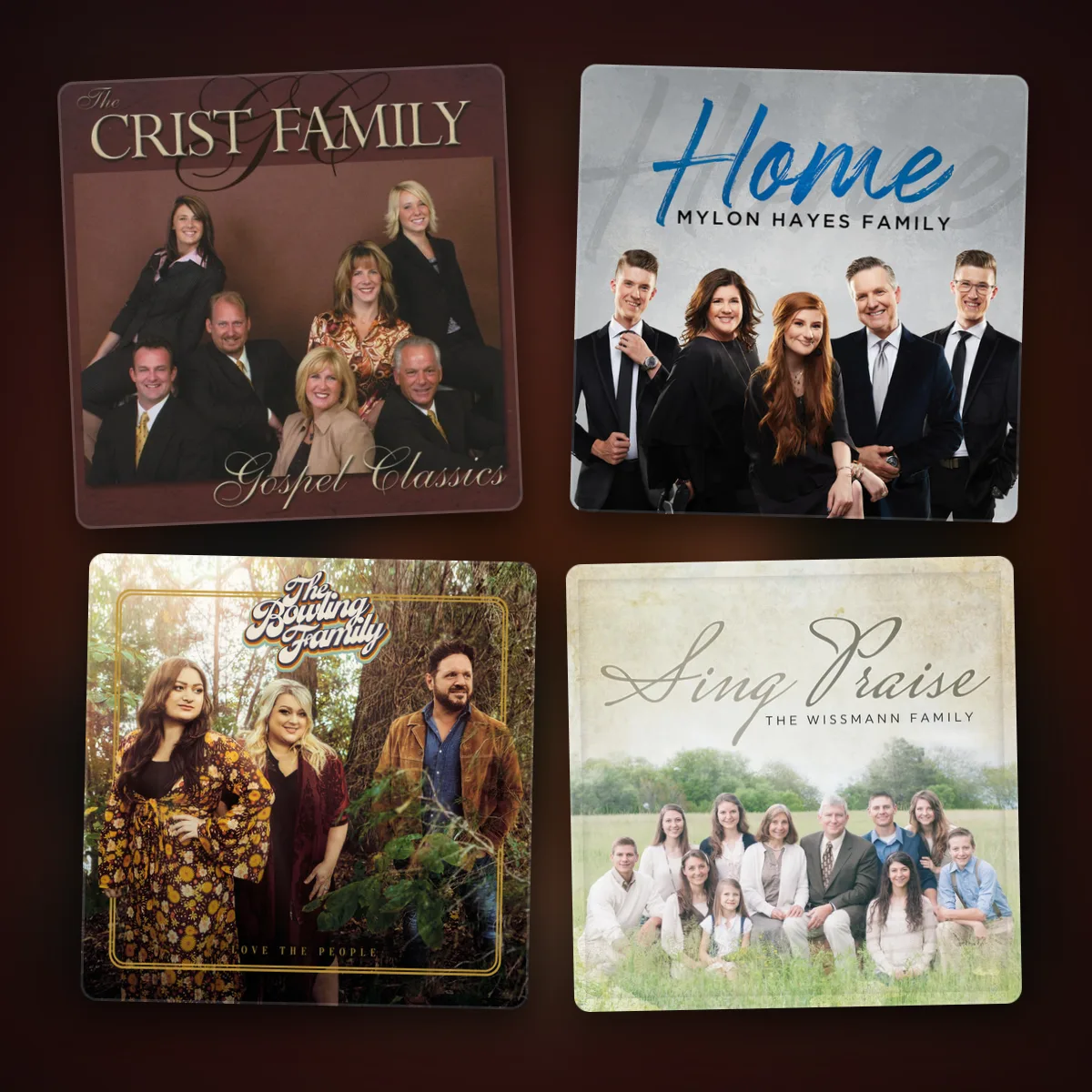
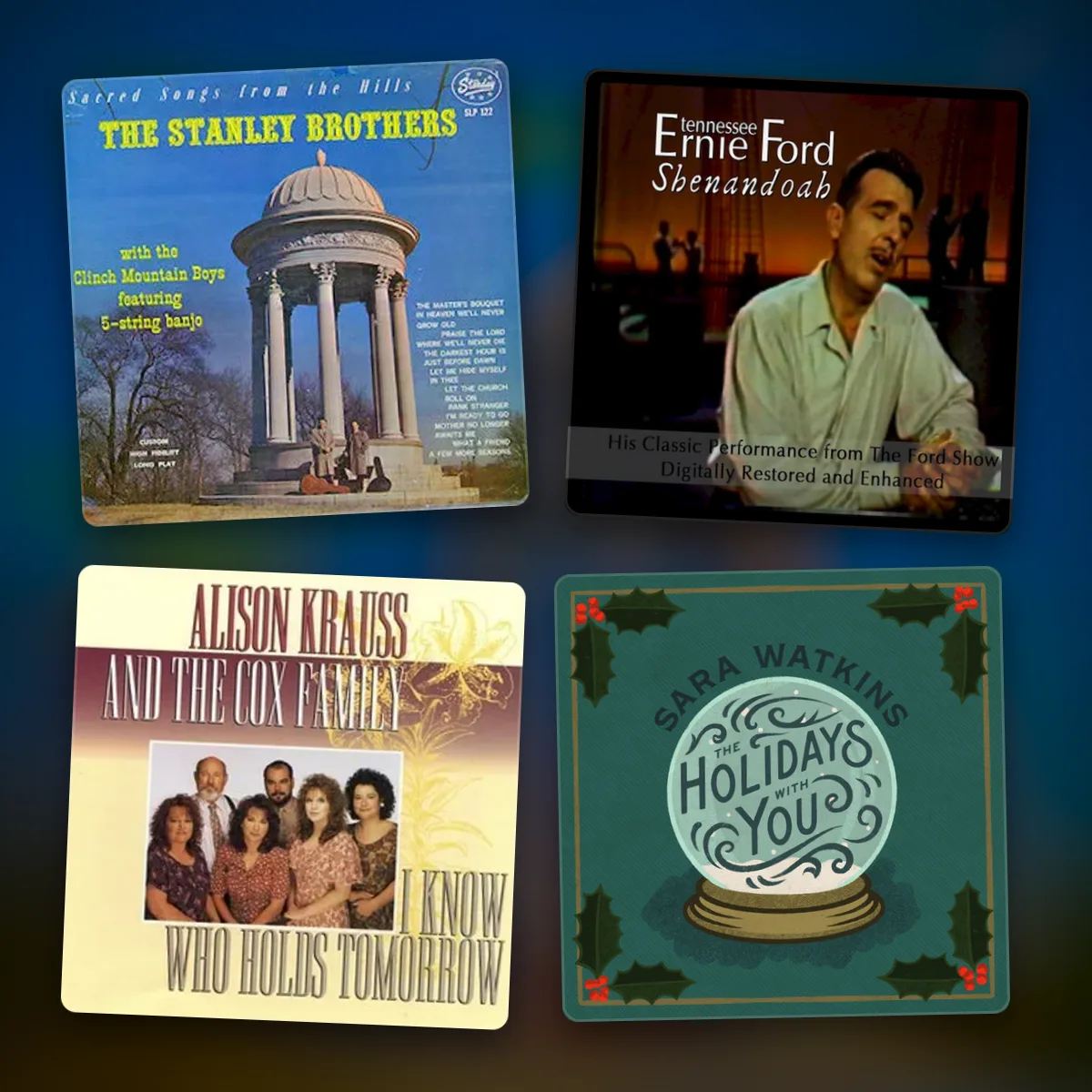
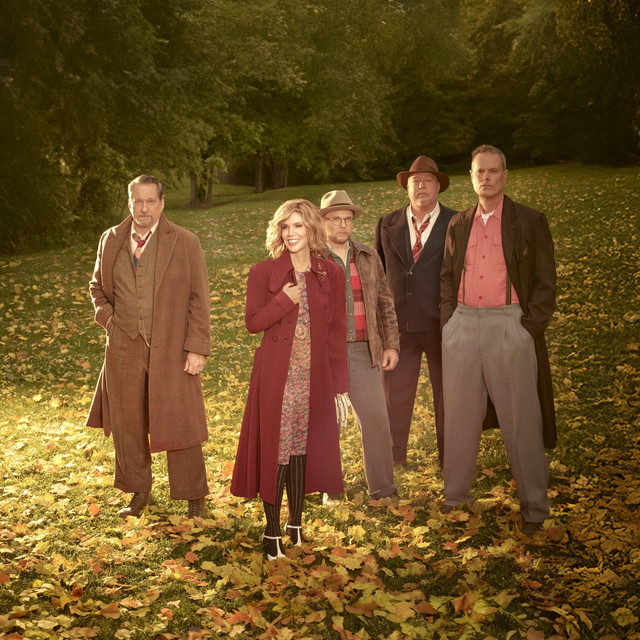
Top albums
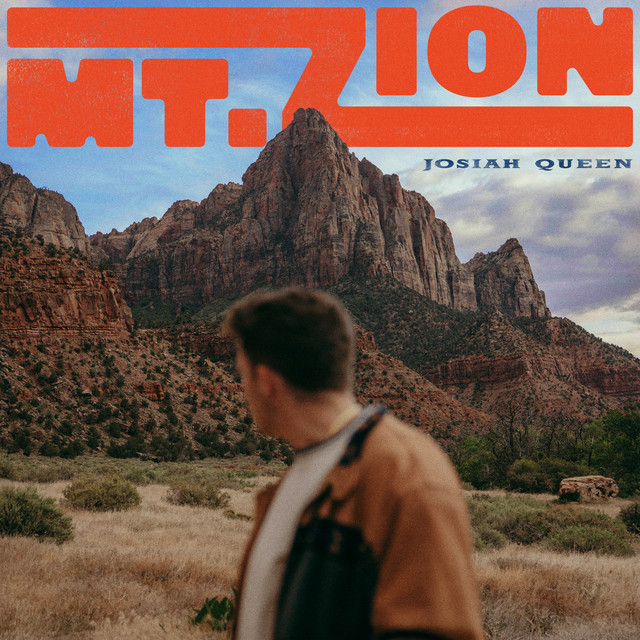
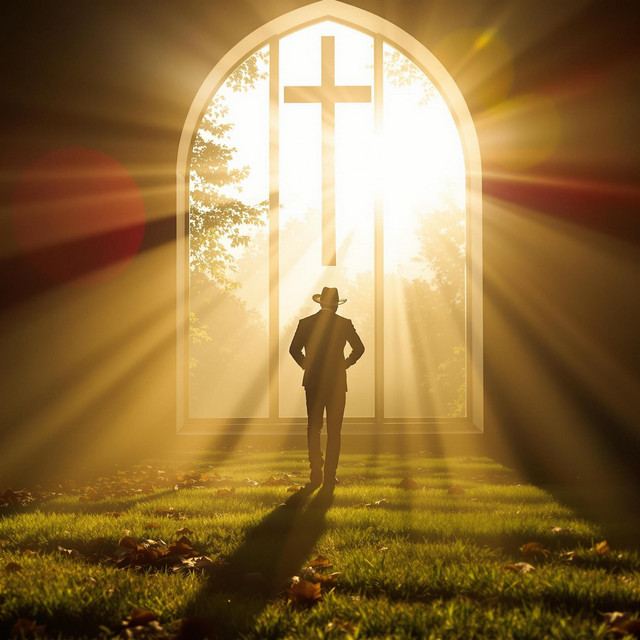



Best playlists
Christian Country
Melodigging
Christian Country
Chosic

Christian Country Mix
Spotify

Best of Christian Country
volt.fm

Best Country Gospel Songs – Old-Style Hymns with Lyrics
Old Country Gospel Music - Caleb Ashford
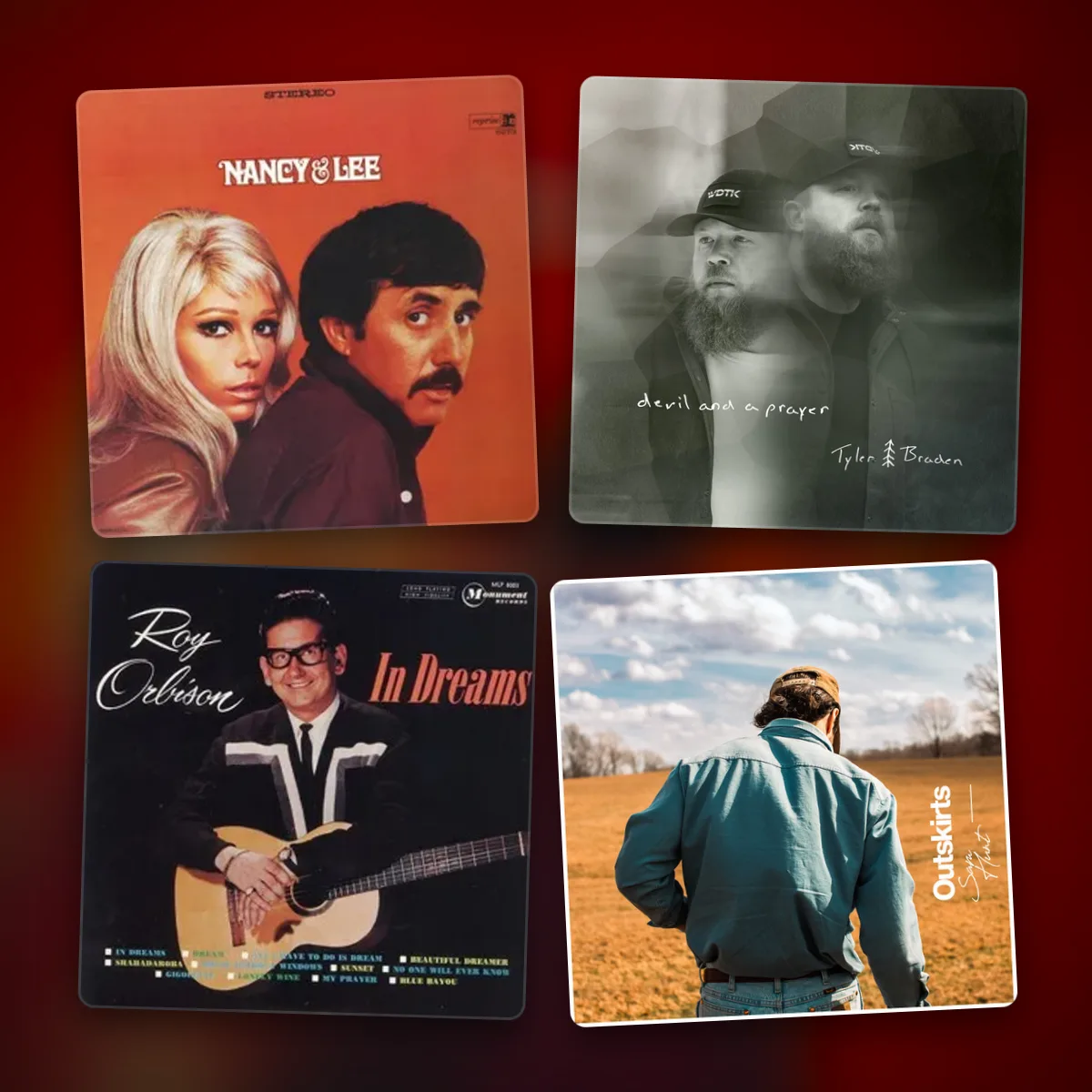
Influenced by



Has influenced


Other similar genres
Genres sharing the most artists with Christian Country