Description
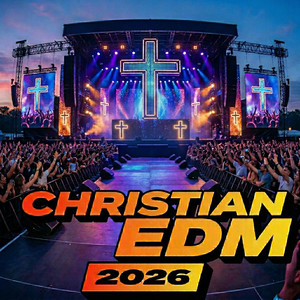
Christian dance, also known as Christian electronic dance music or CEDM, combines electronic dance music with Christian music. Its sound spans established dance styles rather than relying on a single beat or production formula: tracks can draw on techno, trance, deep house or dubstep.
What distinguishes the music is principally its Christian orientation. Lyrics often emphasize positive messages and Christian principles, while some songs are intended for worship or evangelism. The music is heard both in church settings and at dance events. Although some Christians have objected to dance music on religious grounds, artist Matthew Parker has argued that rhythms and harmonies are not inherently evil.
Based on: Wikipedia, attackmagazine.com, insomniac.com
More on: Every Noise at Once
History
An expanding scene
Christian dance developed at the intersection of electronic dance music and Christian music. By 2008, Gods DJs had begun as an online forum for Christian dance music enthusiasts; it later grew into an international network. Christian dance has been presented in churches as well as at festivals and other venues.
Artists and debate
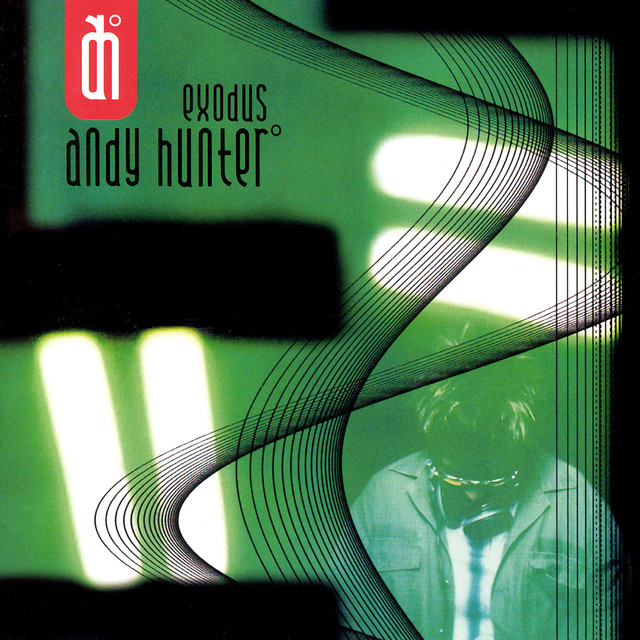
In the late 2000s and early 2010s, electronic artists including G-Powered, Owl City and Kye Kye gained prominence in Christian and wider popular music. Other artists associated with the genre include Capital Kings, LZ7, Gawvi, Hillsong Young Free and Andy Hunter.
The genre's place in Christian life has not been uncontested. In a 2014 interview, Hallels.com reported that some members of the Christian community regarded dance music as the devil's music. Matthew Parker rejected that view, arguing that musical elements themselves do not belong to the devil.
Choose a dance framework
Begin with the sound of an electronic dance style: Christian dance can encompass techno, trance, deep house or dubstep, among other approaches. Choose a rhythmic foundation and sound palette that suit the style, then develop a track that works as dance music in its own right. For example, you could build a repeating drum pattern, add a bass part that supports its pulse, and introduce synth motifs that give the arrangement momentum.
Shape the Christian message
Write positive lyrics centered on Christian principles, or take a worship-oriented approach with words that could be sung in church. You could use a recurring vocal refrain to make the message easy to follow, leaving instrumental passages for the dance arrangement to develop.
Arrange for the setting
Consider whether the piece is intended for a dance event or a worship setting. As a practical electronic dance music approach, vary the density of drums, bass, synths and vocals across sections so that the track has contrast while retaining a recognizable central groove.

Every Move I Make | Dance-A-Long with Lyrics | Kids Worship
CJ and Friends

I Thank God | Maverick City Music & Upperroom | CJ & Friends Worship Dance with Lyrics
CJ and Friends

Christian Dance Tutorial🕺⛪️ #shorts
Senne Jackson

Church Appropriate Dance Moves (5 Minute Countdown)
ChurchFuelLLC

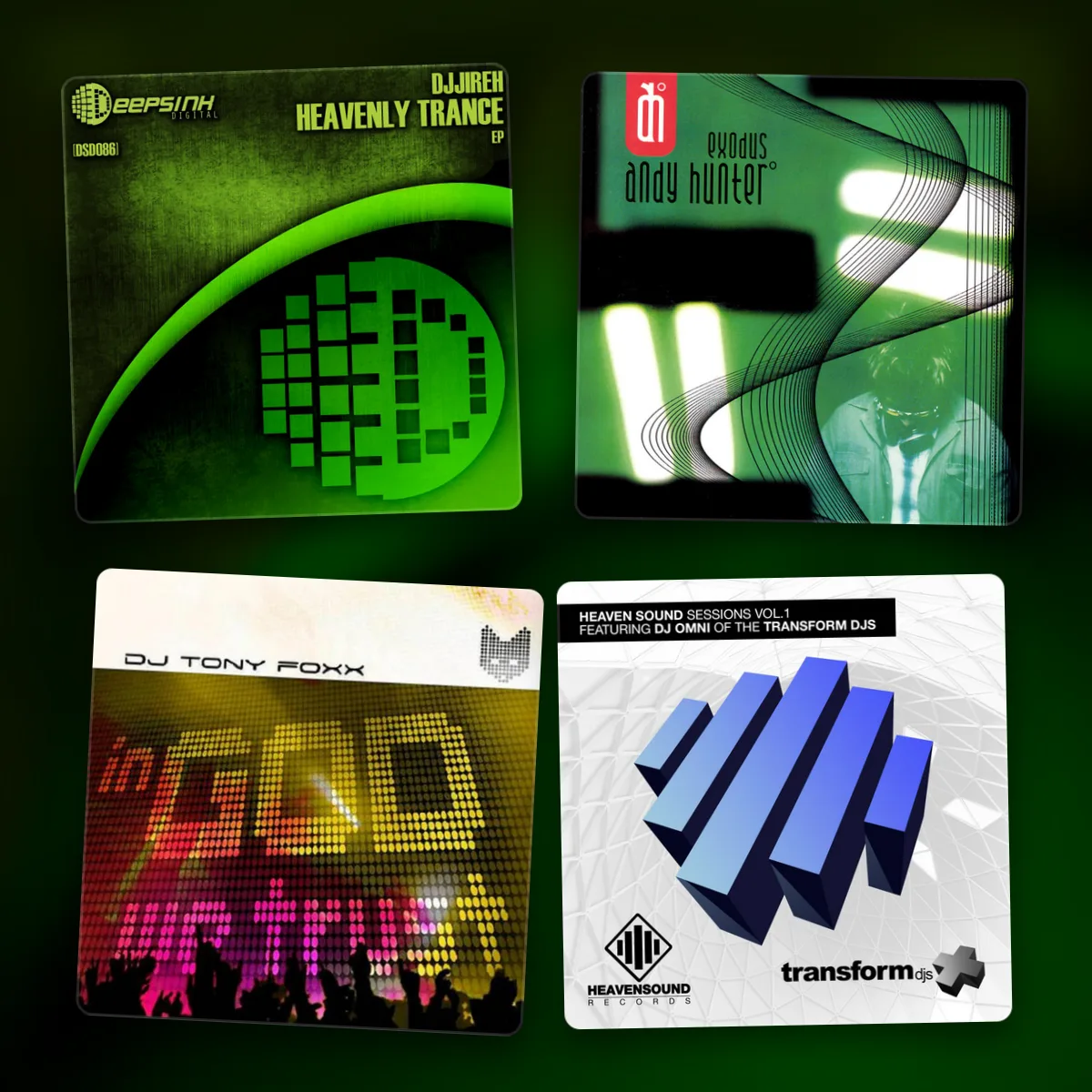
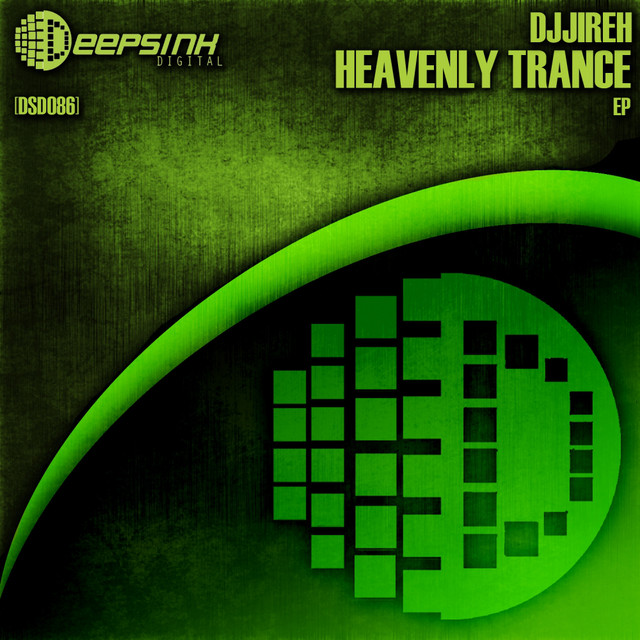
Top albums





Best playlists
Influenced by

Other similar genres
Genres sharing the most artists with Christian Dance