Description
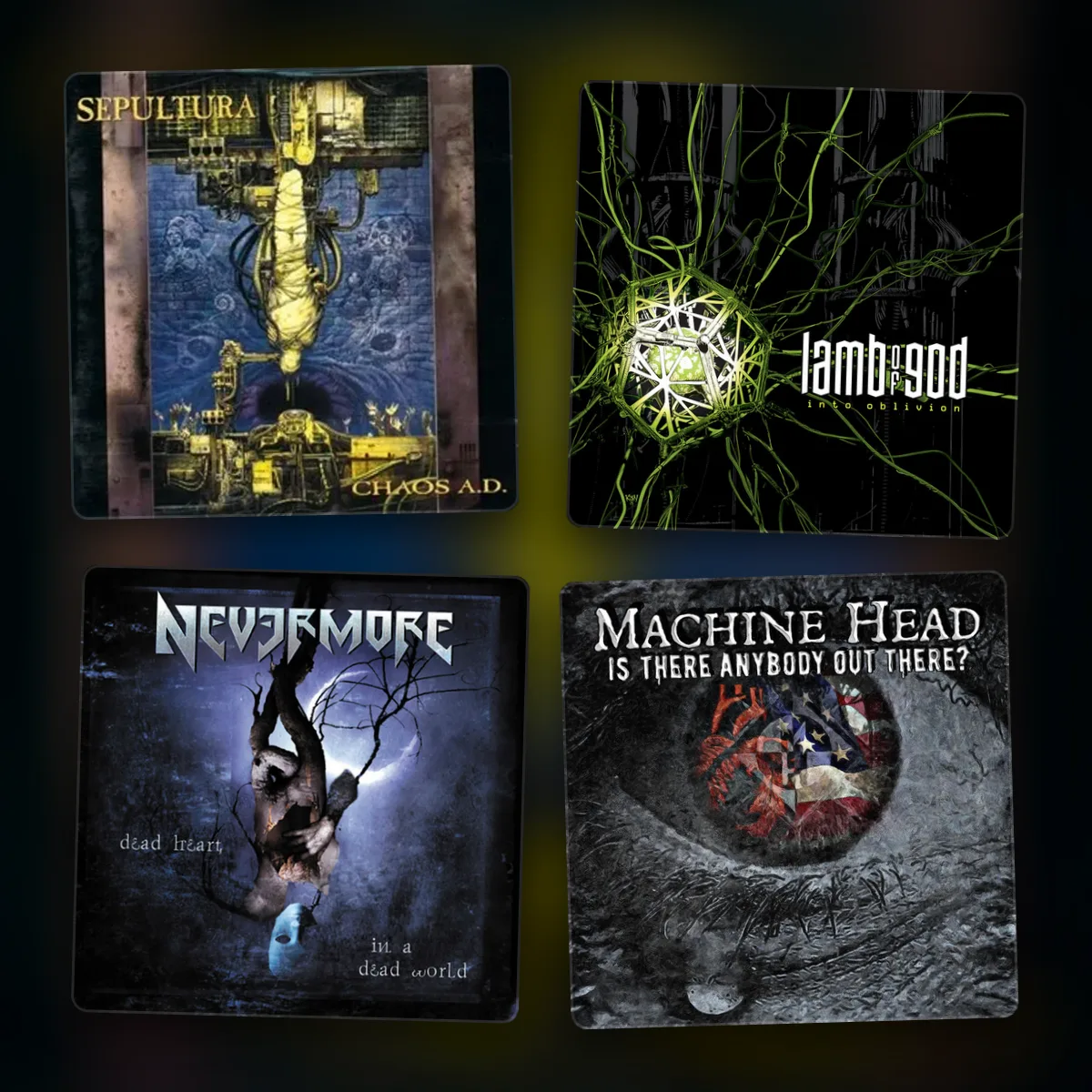
Christian metalcore combines the heaviness of metalcore—a blend of heavy metal and hardcore punk—with lyrics concerned with Christian faith and spiritual struggle. Its sound is marked by distortion, guttural screams and growls, and forceful breakdowns.
The music can be aggressive while addressing themes of hope, redemption, faithfulness and spiritual conflict. Its identity rests not on a separate set of musical techniques, but on the meeting of metalcore’s intensity with these concerns.
Based on: eternalflames.co.uk, noecho.net, isthmus.com, loudersound.com
More on: Every Noise at Once

The 7 Levels of Christian Metal
DFT'S Dungeon

The Beginner's Guide to Christian Metalcore
DFT'S Dungeon

Top Five FAVORITE Christian METALCORE Bands!
DFT'S Dungeon

The Rise and Fall of Christian Metalcore😇🙏The Devil Wears Prada, Underoath, blessthefall, and More…
Matt Bunting
History
Roots in the 1990s
Christian metalcore’s roots reach back to the 1990s, as hardcore punk and metal converged. During the second half of the decade, the boundaries between hardcore, metalcore and Christian metal became increasingly difficult to draw. Zao became an influential presence at the heavier end of the music.
Expansion in the 2000s
The scene grew alongside metalcore’s wider popularity, aided by independent labels and touring. Tooth Nail, its heavier Solid State imprint, and Facedown became important outlets. Underoath and Norma Jean were among the scene’s most visible bands, while acts including As I Lay Dying, August Burns Red and The Devil Wears Prada reached listeners beyond the Christian market.
A wider scene and changing beliefs
The scene has become international, with bands emerging across several continents and streaming helping connect underground acts with listeners worldwide. Not every participant has found the genre’s expectations easy to sustain: one scene participant described feeling constrained by the expectation to write within Christian metalcore guidelines while questioning their own beliefs.
Build the heavy foundation
Start with the combination of metal and hardcore punk that underlies metalcore. You could write distorted guitar riffs with a clear rhythmic attack, then contrast them with a breakdown that makes the pulse feel heavier and more emphatic. Arrange the transitions so the breakdown feels like a deliberate release of tension.
Shape the vocals and words
Use screams or growls to match the music’s forceful character. Lyrics can address faith, hope, redemption or spiritual struggle; a personal account of doubt or perseverance can give those broad themes a concrete focus.
Arrange for contrast
A common metalcore approach is to alternate driving riff passages with more spacious, weighty sections. You could let the drums reinforce the main guitar accents during a breakdown, then return to a more active passage to keep the arrangement moving.

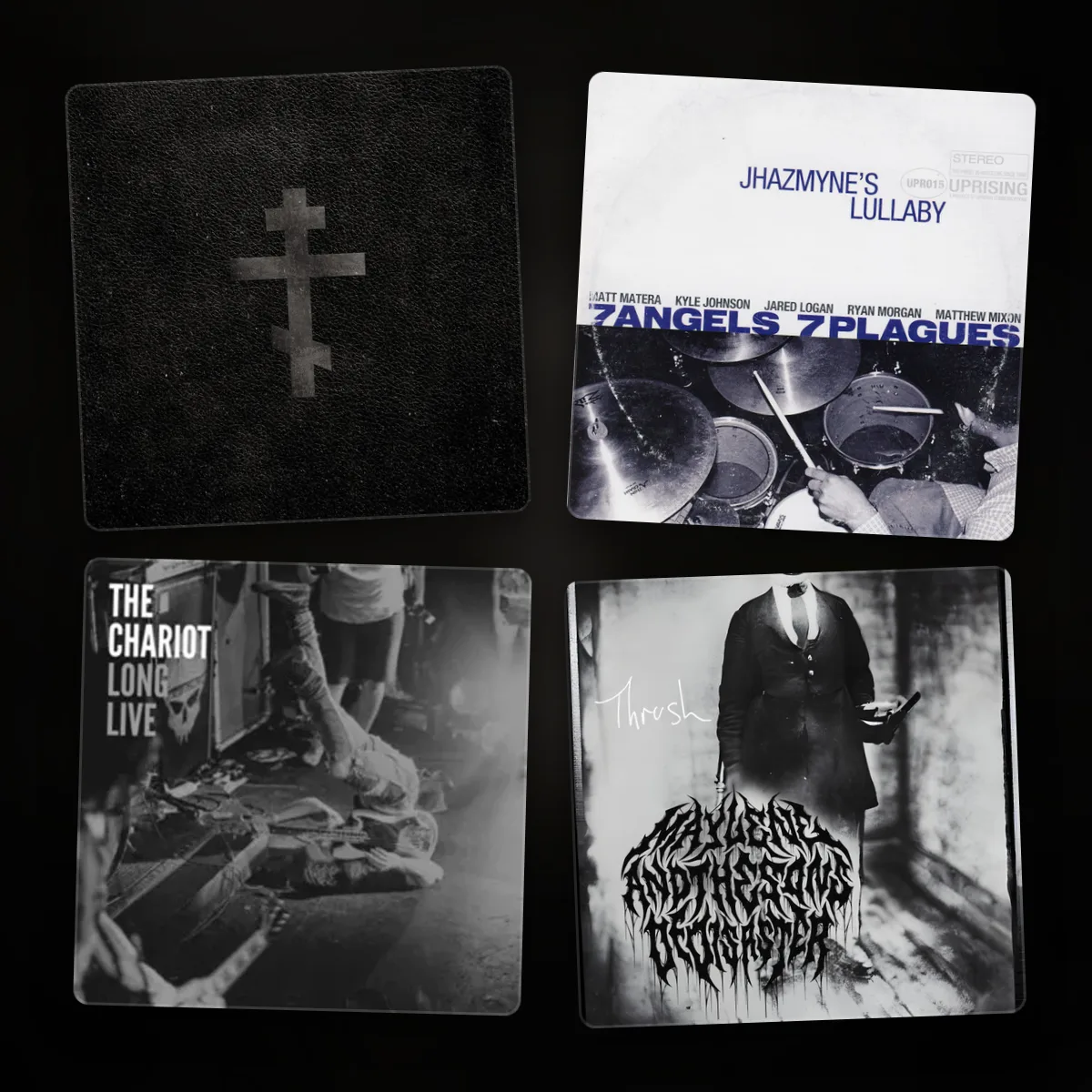
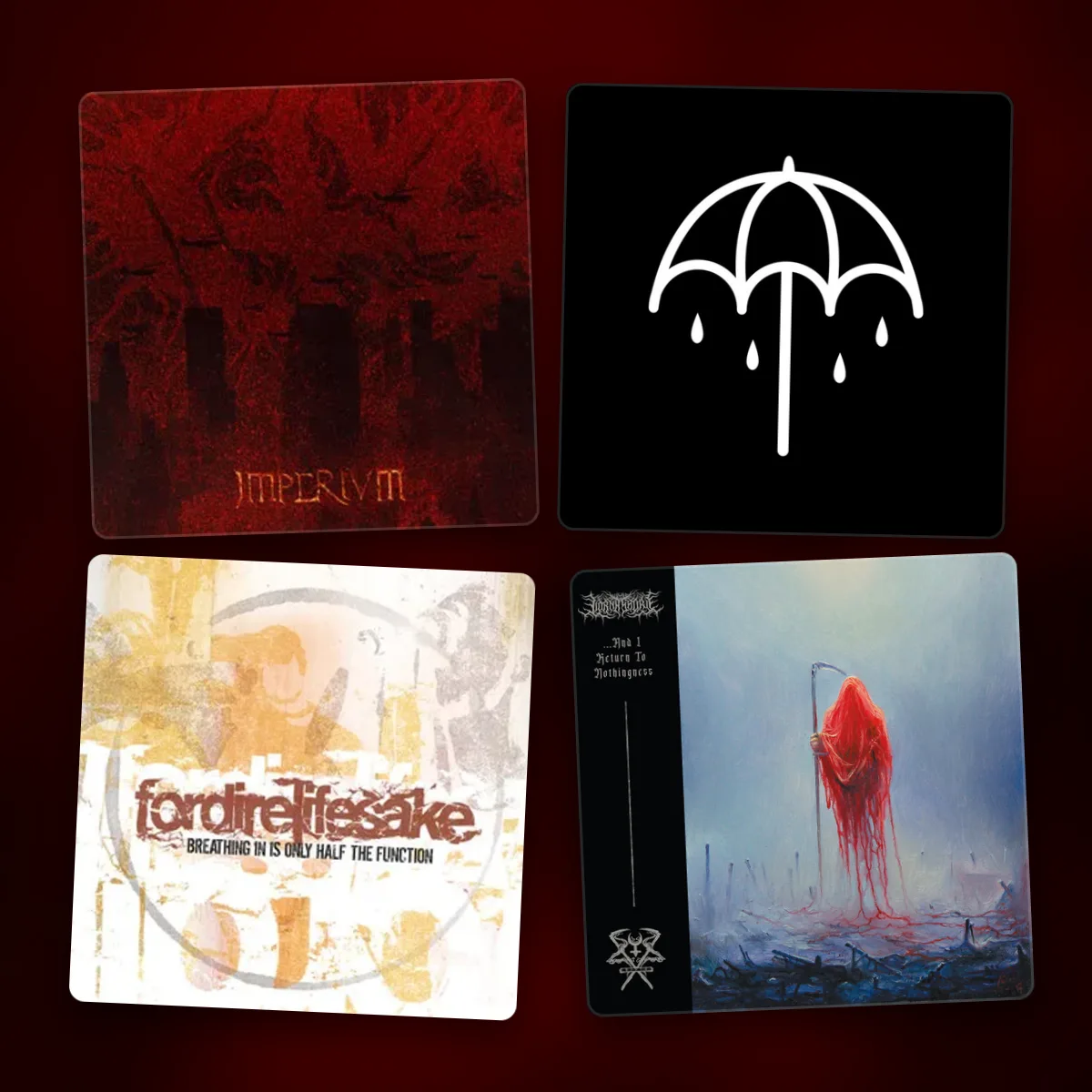
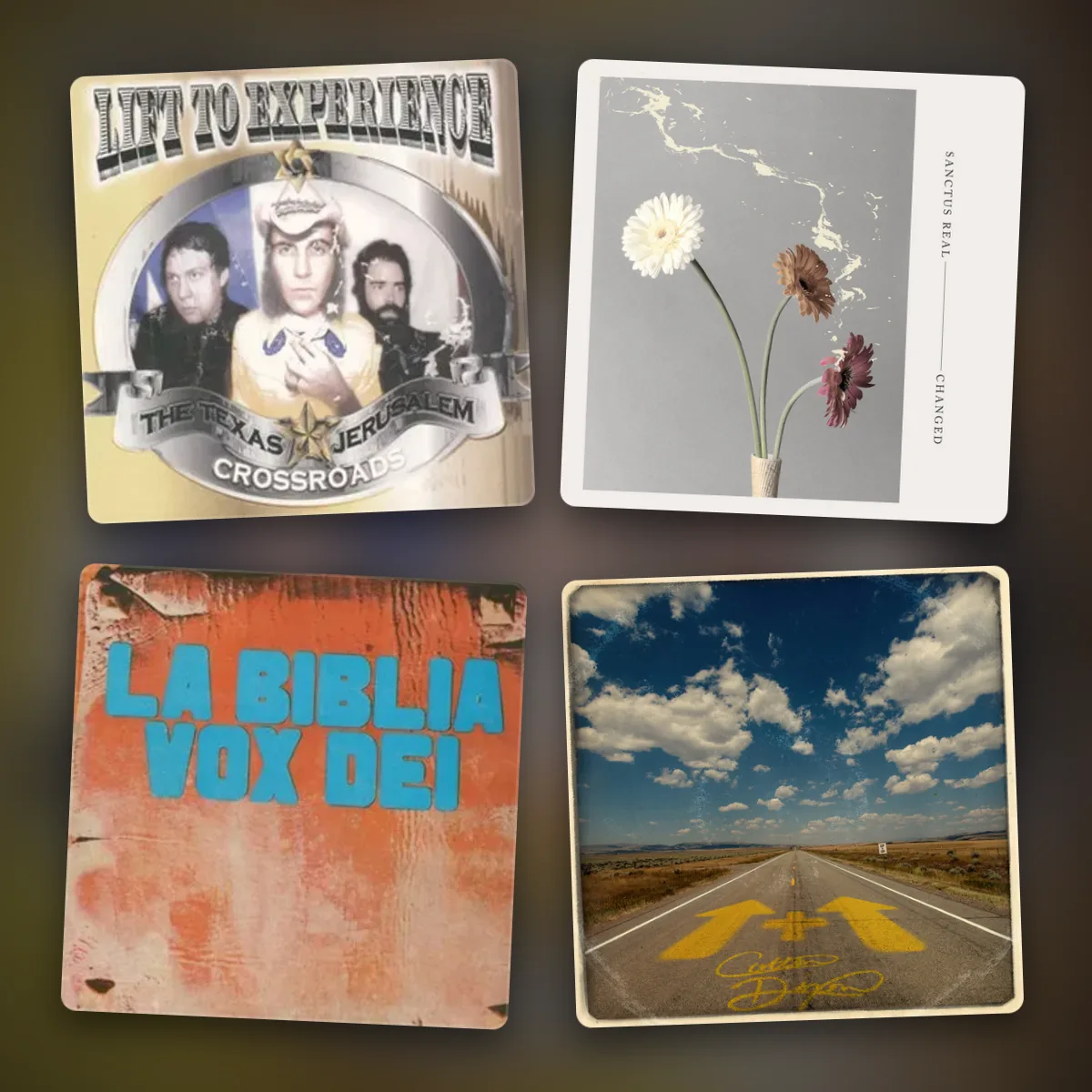
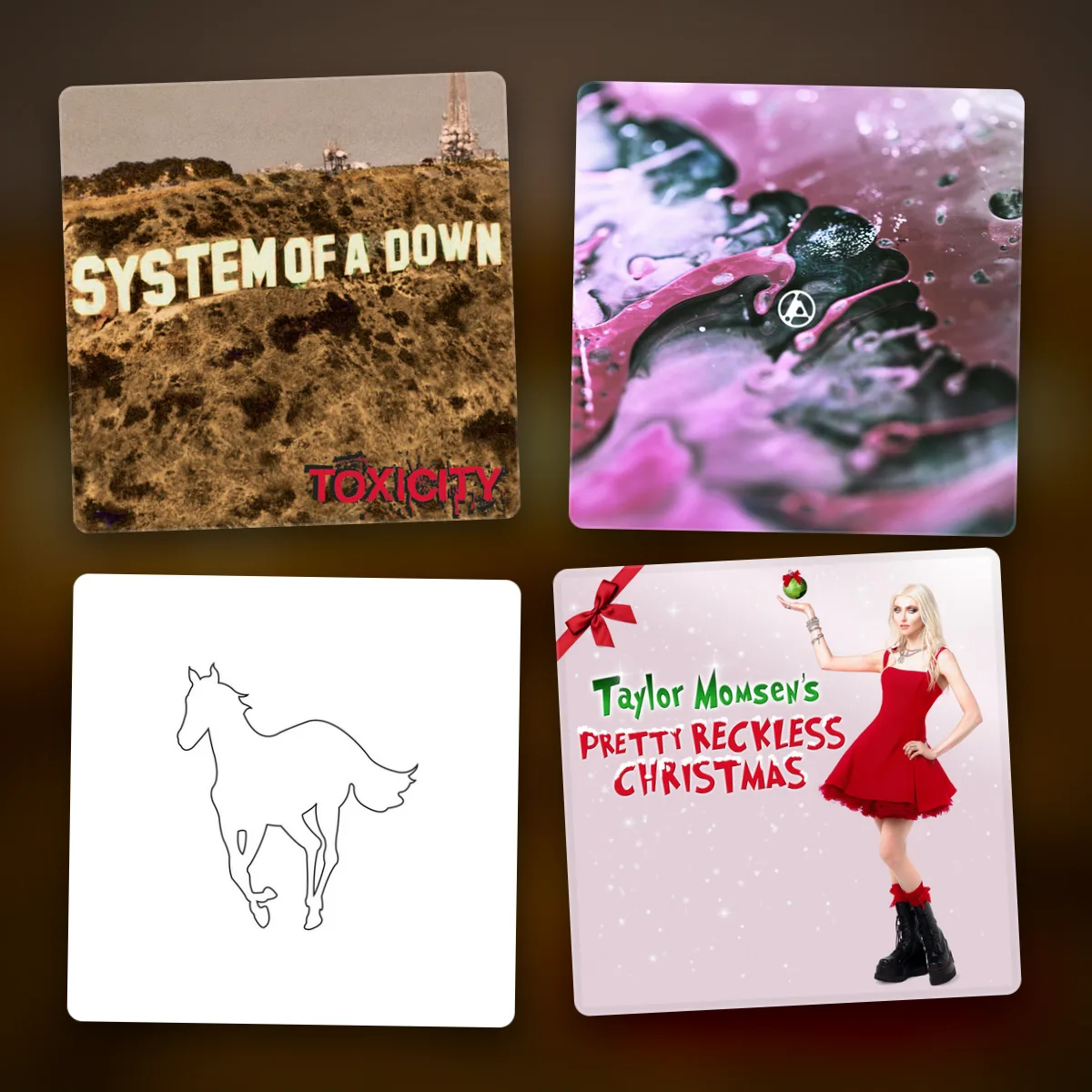
Top albums

Best playlists

Influenced by

Other similar genres
Genres sharing the most artists with Christian Metalcore