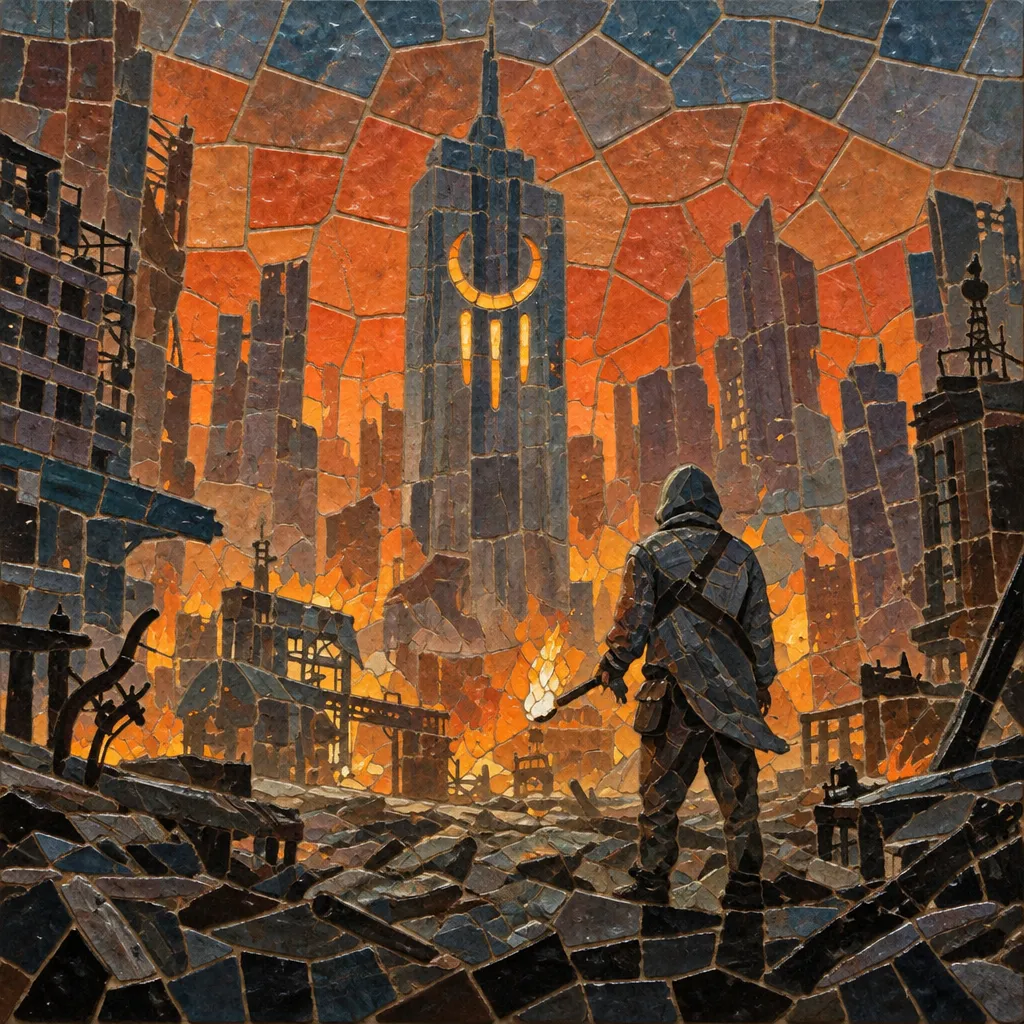
Description
Deep sub-bass, sparse electronic drums and shadowy synth textures give cinematic dubstep a dark, atmospheric sound. The name comes from Every Noise at Once and Spotify’s “The Sound of Cinematic Dubstep” playlist, with scant written description elsewhere. Much of the music is built around a steady, heavy half-time pulse, though some tracks have a more lurching, swung feel.
Dry kicks, sharp snares and quick hi-hats sit against spacious pads and distorted or modulated bass. Rather than moving through elaborate chord changes, tracks often linger on minor or modal tones, drones and repeating bass figures. Voices tend to be part of the atmosphere: distant choir-like layers, wordless sounds and chopped or indistinct phrases are more prominent than clear lyrics. Reverb and delay add depth around the punchy foreground drums, and some tracks have a dusty, lo-fi texture.
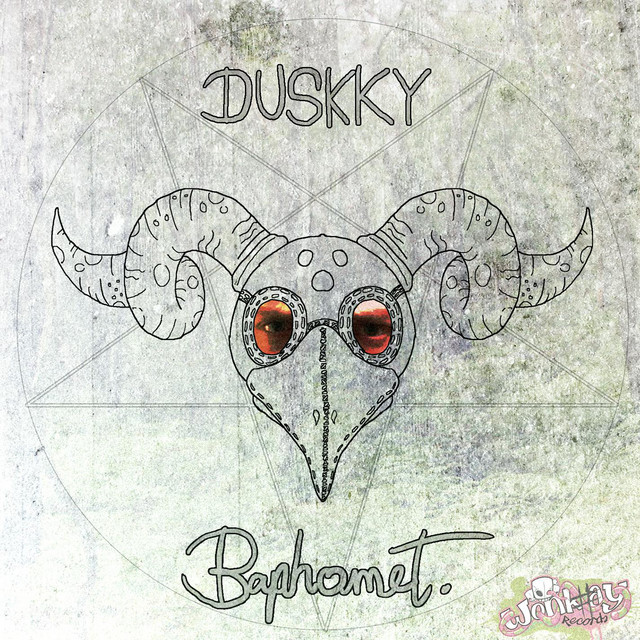
The music sits close to dubstep’s syncopated rhythms and heavy low end, with spacious, subdued passages also recalling chillstep. Playlist releases are mostly from the late 2000s and early 2010s; among the artists are The SubDivision, Duskky and Alien Pimp.
Based on: Every Noise at Once, Spotify's genre tags and playlist
Build the rhythm
Start with dubstep’s sparse, syncopated half-time groove: use a deep kick, a dry snare or clap, and quick hi-hats. Leave room between the main hits, or add a slight swing for a more lurching pulse.
Shape the atmosphere
Layer a sustained sub-bass with a filtered or distorted synth bass. Build a dark minor or modal setting from a drone, a repeating bass figure and spacious synth pads rather than relying on frequent chord changes. For a softer contrast, draw on chillstep’s restrained, atmospheric side.
Add space and movement
Treat wordless vocal layers or short vocal chops with reverb and delay. Keep the drums relatively dry and upfront against the wider background, and use filter movement or gentle sidechain pumping to make the layers breathe.

How To Use ‘Fake Drops’ Like Skrillex & Disclosure
Cableguys

HOW TO MAKE HEAVY DUBSTEP IN 2024
Fate Action

HOW TO MAKE DUBSTEP (IN 30 SECONDS)🤖🤖🤖
thayerperiod

how to make Melodic Dubstep like Roy Knox, Crankdat | Ableton tutorial
Ash // From Bedroom 2 Banger