Description
Classic j-pop brings together soaring Japanese-language melodies, driving pop-rock and smoother R&B-tinged ballads. The label comes from Every Noise at Once and the Spotify playlist “The Sound of Classic J-Pop”, with scant published description of the term. Much of the music is fast and energetic, though some songs settle into a gentler mid-tempo pace.
Crisp acoustic drums, prominent snare backbeats and active hi-hats often propel the songs, while others use programmed beats. Electric bass, piano and electric guitar are common, with guitars ranging from clean rhythmic parts to overdriven riffs. Strings and synthesizer pads add breadth to polished, layered arrangements. Expressive lead vocals sit at the front of the mix, often supported by harmonies and reverb; sustained notes can carry a pronounced vibrato. The singing is primarily in Japanese, sometimes with English phrases.
The music sits close to j-pop and j-rock, while its rich pop arrangements also connect with kayōkyoku and city pop. Simple, direct chord progressions share space with more elaborate R&B and jazz-influenced harmonies. The mood is often uplifting or dramatic, with a nostalgic, romantic quality in many songs. Titles such as “White Love” and “Time goes by” sit alongside Japanese titles about love, memories and parting.
Based on: Every Noise at Once, Spotify's genre tags and playlist

Japan's favourite chord progression and why it works
David Bennett Music Theory

Mixing Jazz and J-Pop
Adam Neely
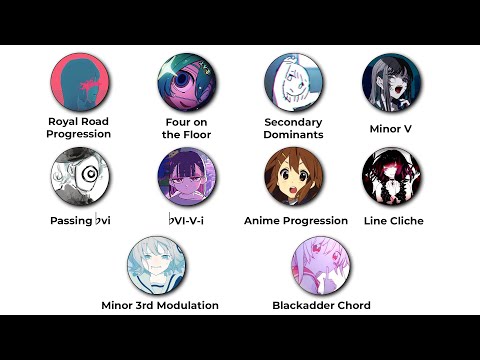
EVERY Japanese Pop Music Cliches Explained
akabex

[Sakamoto, Hisaishi, et. al.] - Common Japanese Chord Progressions
Gavin Leeper
Build the song
Write a clear, sweeping vocal melody over a tonal pop progression. For a richer R&B or city pop colour, add seventh or ninth chords and suspensions. Keep the lead vocal expressive and prominent, with room for sustained notes and occasional harmony backing.
Arrange the band
Start with drums, electric bass, piano and electric guitar. Use a crisp snare backbeat and active hi-hats for a driving j-rock or j-pop feel; alternatively, use a programmed beat for a smoother mid-tempo song. Combine clean guitar rhythms with stronger overdriven chords when the arrangement needs lift.
Shape the production
Layer strings or synthesizer pads behind the band, and give the vocal a touch of reverb. Aim for a polished, wide stereo sound. A sparse opening can expand into a fuller arrangement as the song gathers momentum; melodic directness and dramatic phrasing can also draw on kayōkyoku.

Guitar Lesson: Marty Friedman - Japanese style guitar improv
TotalGuitar

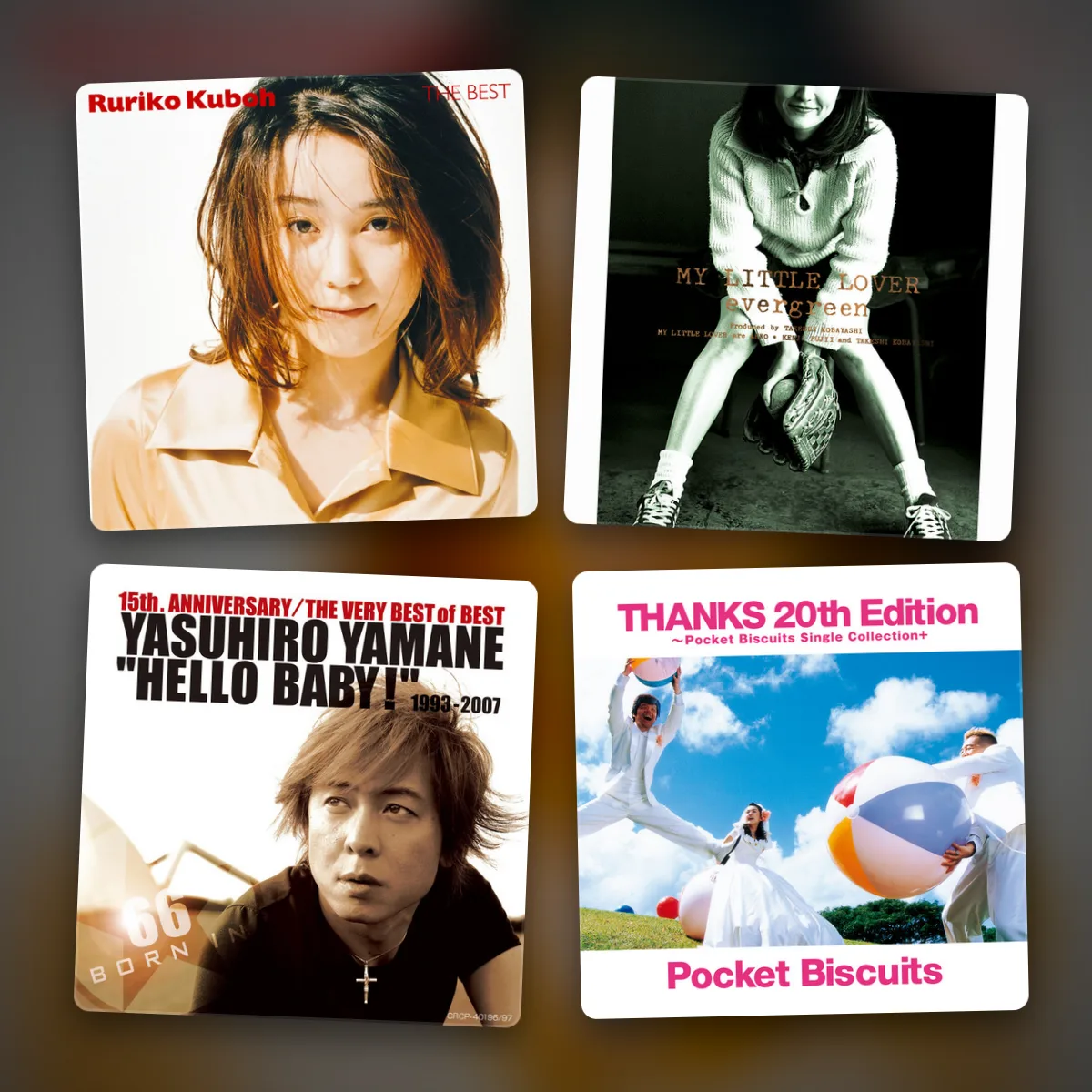
Top albums






Best playlists


Influenced by



Other similar genres
Genres sharing the most artists with Classic J-Pop