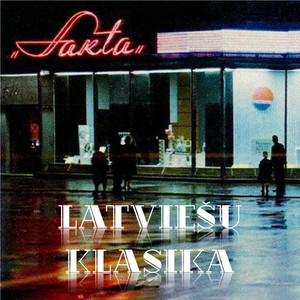
Description
Classic Latvian pop brings together melodic songs with prominent voices, steady rhythms and arrangements ranging from theatrical orchestral pop to acoustic folk-pop and pop-disco. The name is used by Every Noise at Once and Spotify’s “The Sound of Classic Latvian Pop” playlist, though it has scant written coverage.
The songs are mostly in Latvian, often led by an expressive singer with backing harmonies, a choir or group singing. Drums and active electric bass usually give them a firm, brisk pulse, although some sway at a more moderate pace. Electric and acoustic guitars, piano and keyboards sit alongside strings, brass, fiddle or accordion in different combinations. Clean studio arrangements keep the singing in front, sometimes with a warm, reverberant sound.
Catchy melodies and minor-key passages can give the music a wistful or romantic cast, even when the rhythm is lively. Elsewhere, the group vocals and animated delivery make it feel festive and theatrical. Titles such as “Baltā saule” and “Rudens Rozes” add to a Latvian-language repertoire that includes both individual singers and vocal ensembles.
Based on: Every Noise at Once, Spotify's genre tags and playlist
Rhythm and harmony
Build a steady four-beat groove with a clear backbeat. Use a melodic, moving electric bass line and a drum kit for momentum; aim for a brisk pulse or a gentler mid-tempo sway. Write tuneful progressions, using minor keys for a wistful colour and occasional major-key lifts for contrast.
Arrangement and vocals
For theatrical orchestral pop, support a strong lead melody with piano, strings and brass. For a folk-pop setting, try strummed acoustic guitar, fiddle or accordion; for pop-disco, give the rhythm section a more danceable drive. Add backing harmonies or group singing around an expressive lead, and keep the voices prominent in a clean mix with some warm reverb.