Description
Bowed strings and piano trade lyrical lines, sustained harmonies and quick, sharply articulated figures in classical piano quartet music. The name comes from Every Noise at Once and The Sounds of Spotify’s playlist, with scant published discussion. The music is instrumental, without drums; its rhythmic motion comes from the players’ phrasing, bowing and piano parts.
Much of it is slow and reflective, with flexible timing, expressive string melodies and rich, sometimes mournful harmonies. Faster passages can be urgent and dramatic, propelled by rapid bowing, interlocking piano figures and sudden accents. The range extends from lyrical, late-Romantic chamber music to angular contemporary writing with chromatic and dissonant harmonies. Recordings generally preserve a clear acoustic sound, with the natural resonance of a room or hall.
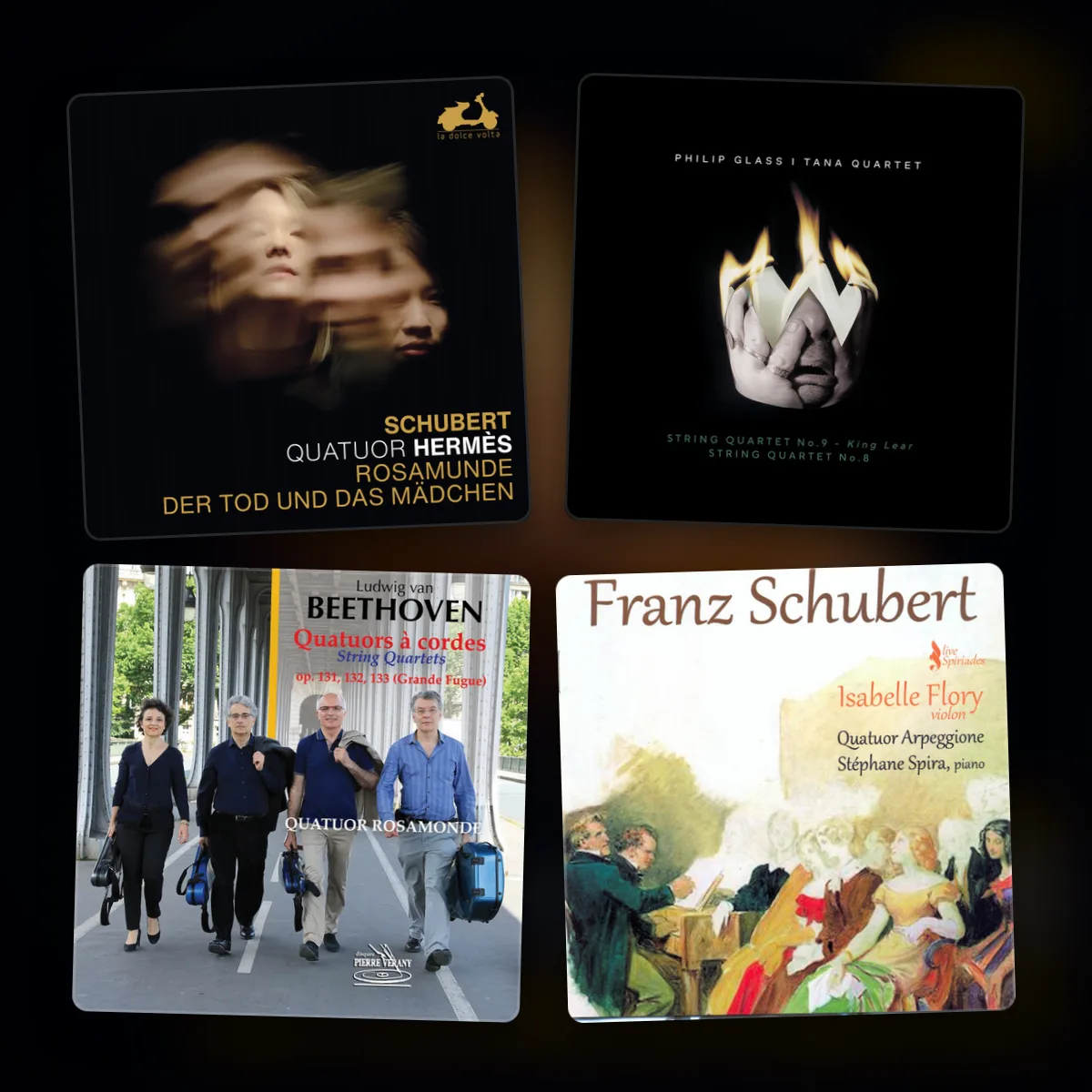
The music sits close to chamber music and classical music, especially works that give each player an individual part within a small ensemble. Many titles identify movements of piano quartets by key, opus number and tempo marking: Gabriel Fauré’s piano quartets, for example, sit alongside works by Emilie Mayer, Johannes Brahms and Pēteris Vasks. The repertoire also includes related chamber pieces and arrangements.
Based on: Every Noise at Once, Spotify's genre tags and playlist
Write for a small ensemble
Start with piano, violin, viola and cello, drawing on the interplay of chamber music and classical music. Give the strings and piano distinct lines that answer, support or overlap one another rather than treating one instrument as a constant accompaniment.
Shape contrasting passages
For a reflective section, use sustained bowed notes, lyrical melodies, sparse piano chords and gently rolling arpeggios. Allow the pace to breathe. For a more urgent section, try rapid accented bowing, interlocking piano figures, short silences and sharper chromatic or dissonant harmonies.
Record acoustically
Keep the arrangement instrumental, without a drum part. Capture the detail of the instruments and leave enough natural room resonance for the parts to blend while remaining clear.

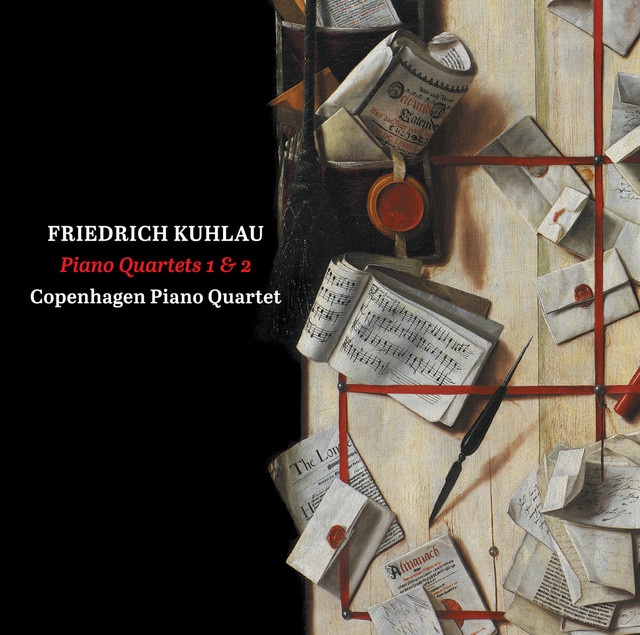
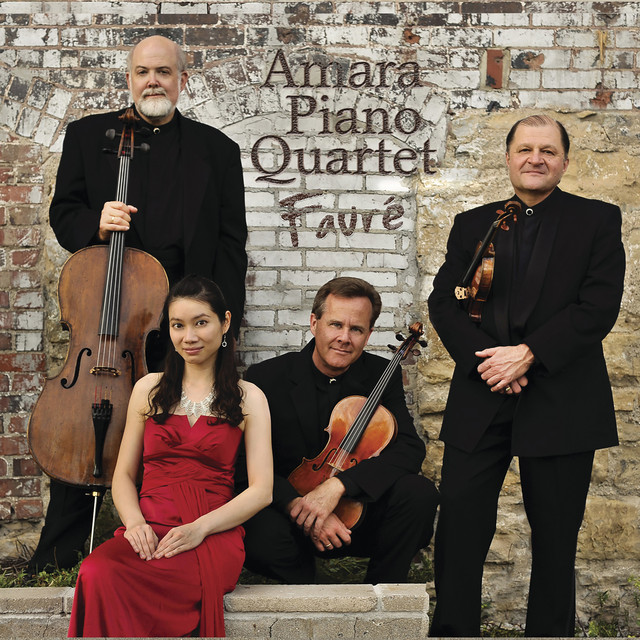
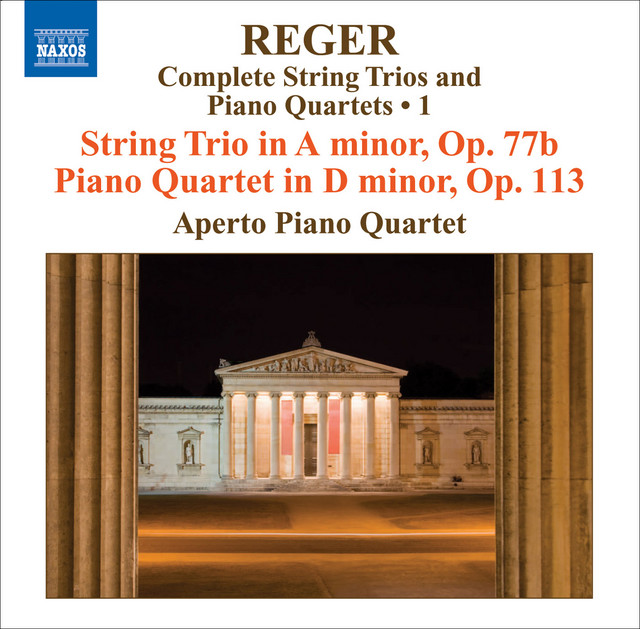
Top albums


Best playlists



Influenced by


Other similar genres
Genres sharing the most artists with Classical Piano Quartet