

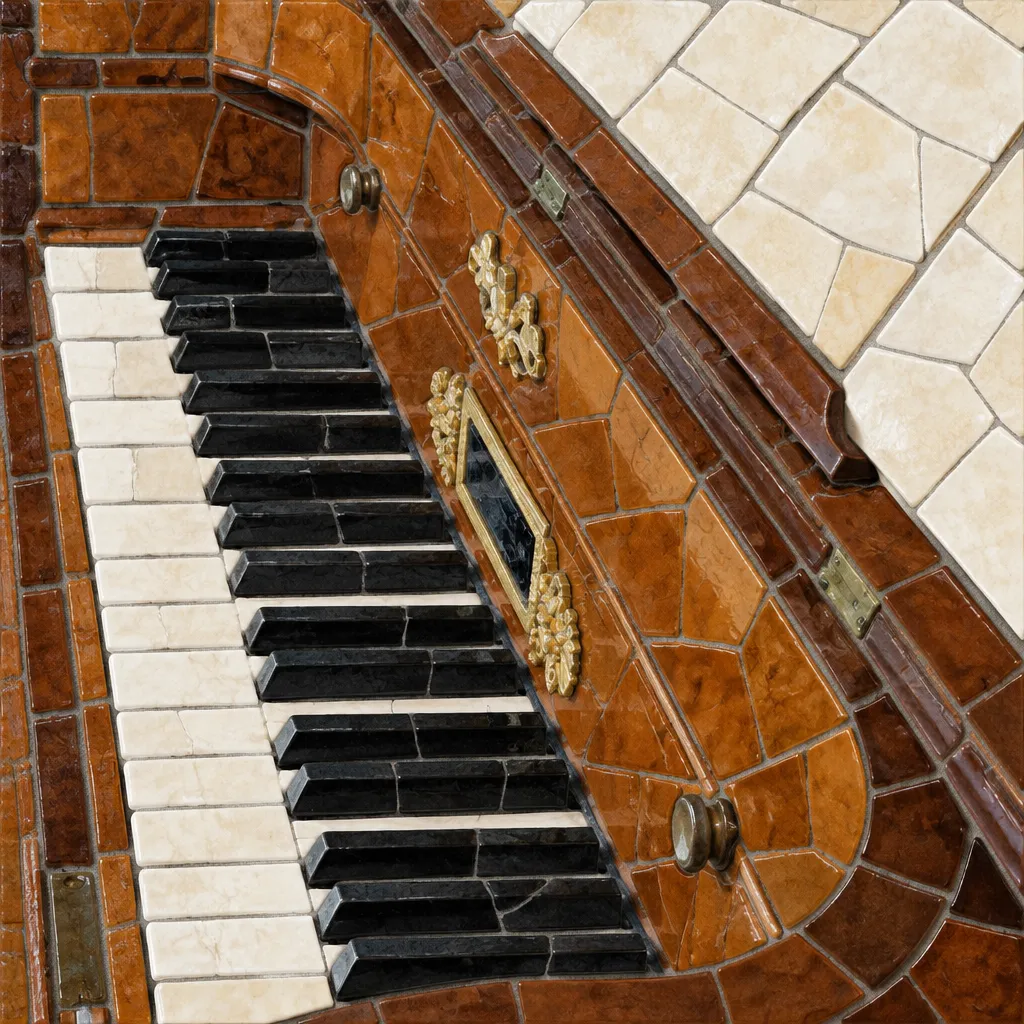
Description
Familiar pop melodies take on an intimate, instrumental character in classify, often played on piano or acoustic guitar. The name is charted by Every Noise at Once and used for a Sounds of Spotify playlist, though published descriptions are scarce. The music is generally clean and melodic, with a gentle, reflective warmth; some pieces have a brighter, more propulsive feel.
Piano arrangements use flowing broken chords and arpeggios beneath lyrical melodies, while acoustic guitars carry both melody and rhythm through fingerpicking or strumming. The pulse ranges from slow and relaxed to brisk and steady, usually without drums. Recordings tend to sound close and natural, with a little room or hall reverberation. Clear, consonant harmonies and familiar song tunes keep the focus on melody rather than elaborate production.
The playlist ranges from solo piano and guitar interpretations of pop ballads to string-quartet and orchestral pop versions. Many titles are in English, including “Someone Like You,” “All of Me” and “Sweet Child of Mine,” though the versions are instrumental. Wedding selections and film-theme arrangements also feature, and many releases are from the mid-to-late 2010s.
Based on: Every Noise at Once, Spotify's genre tags and playlist

How Musical Instruments are Classified
Understanding Music

The difference between house music and techno!
Whistleface

What is your favorite music genre? 🤔🎶
Eric Suerez
Choose and arrange a melody
Start with a recognizable pop-style tune or write a clear, lyrical melody of your own. Arrange it for solo piano or acoustic guitar, leaving enough space for the melody to remain prominent. For a broader ensemble treatment, look to pops orchestra arrangements of popular songs.
Build the accompaniment
Use piano broken chords and arpeggios, or fingerpicked and gently strummed guitar patterns, to supply the pulse without a drum kit. Try consonant chord progressions with occasional added or suspended notes. A slow, relaxed pace can suit a reflective arrangement; a steadier, brisker pulse can give it more momentum.
Record with an intimate sound
Keep the performance instrumental and the recording clear and natural. Let small changes in timing give the phrasing a human feel, and add modest room or hall reverb without obscuring the melody.

Mastering Musical Note Values! 🎶 Fun Rhythm Challenge for Beginners!
Melodics

Part 1-EDA-Audio Classification Project Using Deep Learning
Krish Naik

12- Music genre classification: Preparing the dataset
Valerio Velardo - The Sound of AI

Musical instruments Classification | Ethnographic Classification Of Instruments | Aerophones
Kingsley Music Lessons

Top albums








Best playlists
Classify
Melodigging
The Sound of Classify
Every Noise at Once
Classify
Chosic

Best of Classify
volt.fm

Best of classified Hip hop tracks
rdohigh2
Other similar genres
Genres sharing the most artists with Classify

