Description
A close, expressive voice sings over piano, bass and lightly brushed drums, moving between unhurried ballads and Latin-tinged grooves. Contemporary vocal jazz is a term used in Spotify’s Every Noise at Once map and a Sounds of Spotify playlist, with scant published discussion.
The singing tends toward a smooth, intimate croon, often breathy and shaped with gentle vibrato. Piano fills and rich jazz chords support lyrical melodies, while upright bass can walk steadily or leave more space around the voice. Slow swing and shuffle rhythms sit alongside the syncopated sway of bossa nova and cha-cha. Guitar, strings or saxophone sometimes add color to the acoustic ensemble. The sound is generally warm and clean, with the singer prominent in the mix and a subtle sense of room around the instruments.
The music is close to vocal jazz, with its emphasis on songs and vocal interpretation, and to the polished melodies of smooth jazz and jazz pop. Romantic and reflective moods are common, though some performances have a breezier lift. The playlist includes familiar songs such as “Moon River” and “The Look of Love,” alongside titles in English, French and Portuguese. Many of its recordings date from the 2000s and 2010s.
Based on: Every Noise at Once, Spotify's genre tags and playlist

Different Kinds Of Jazz Singers
Merissa Beddows

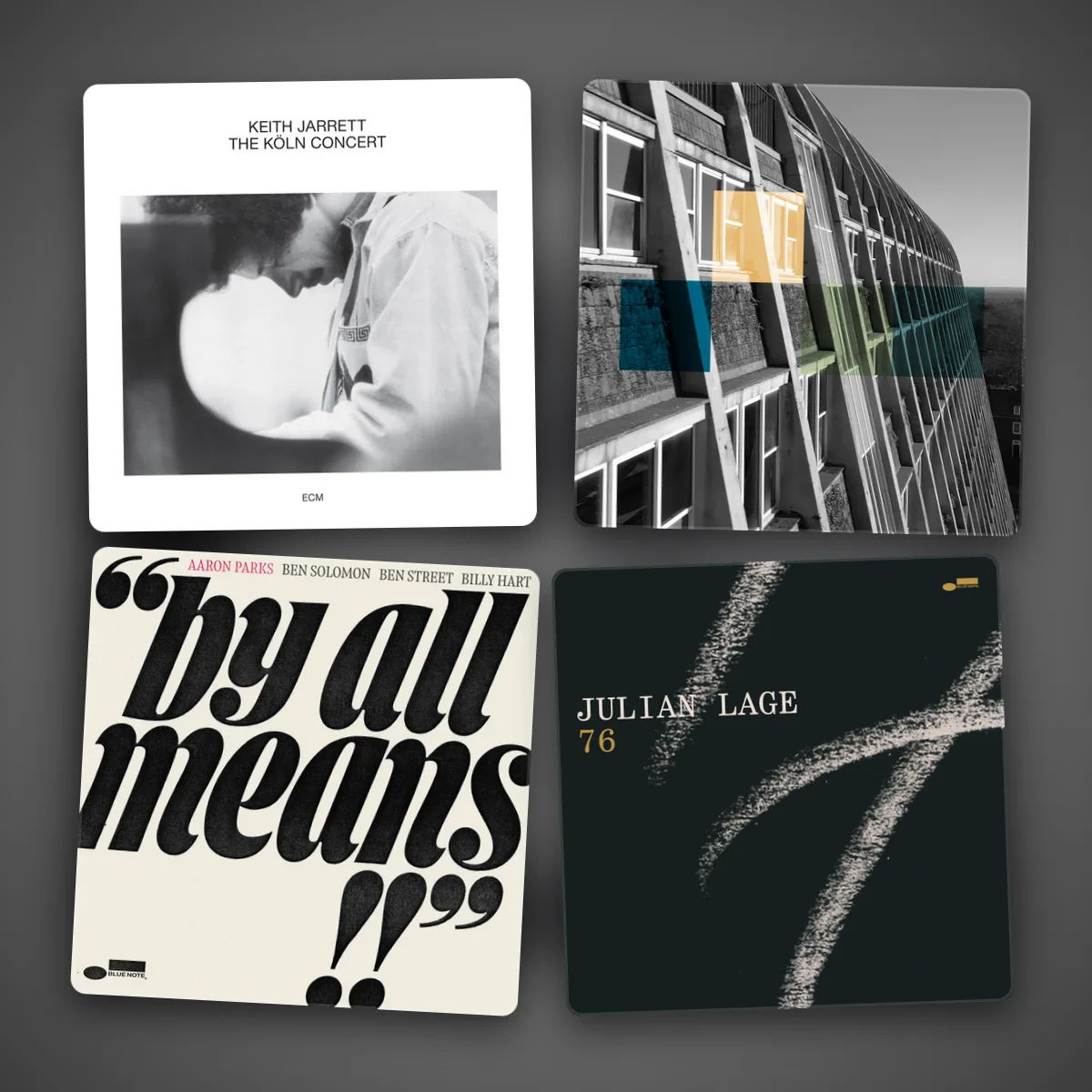
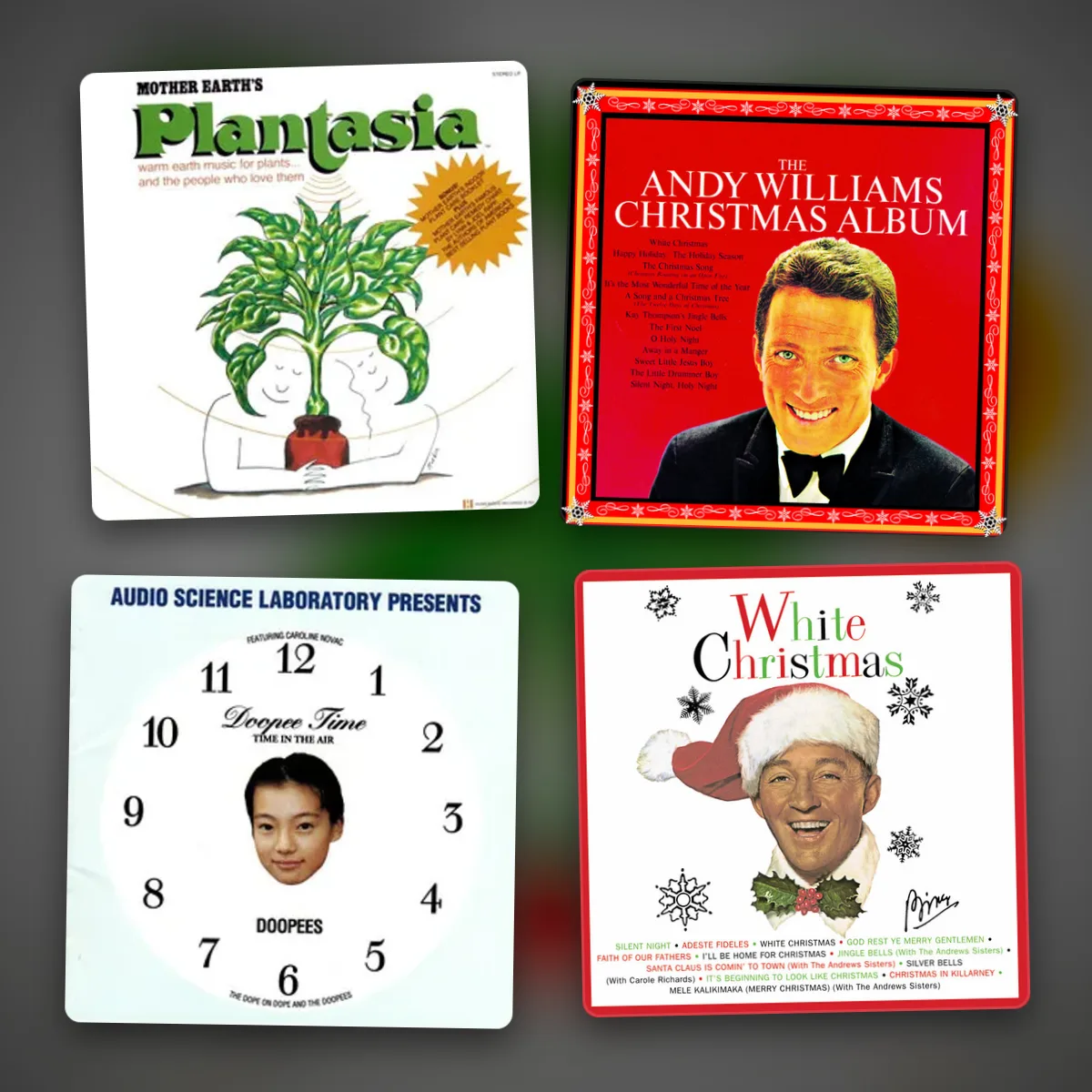
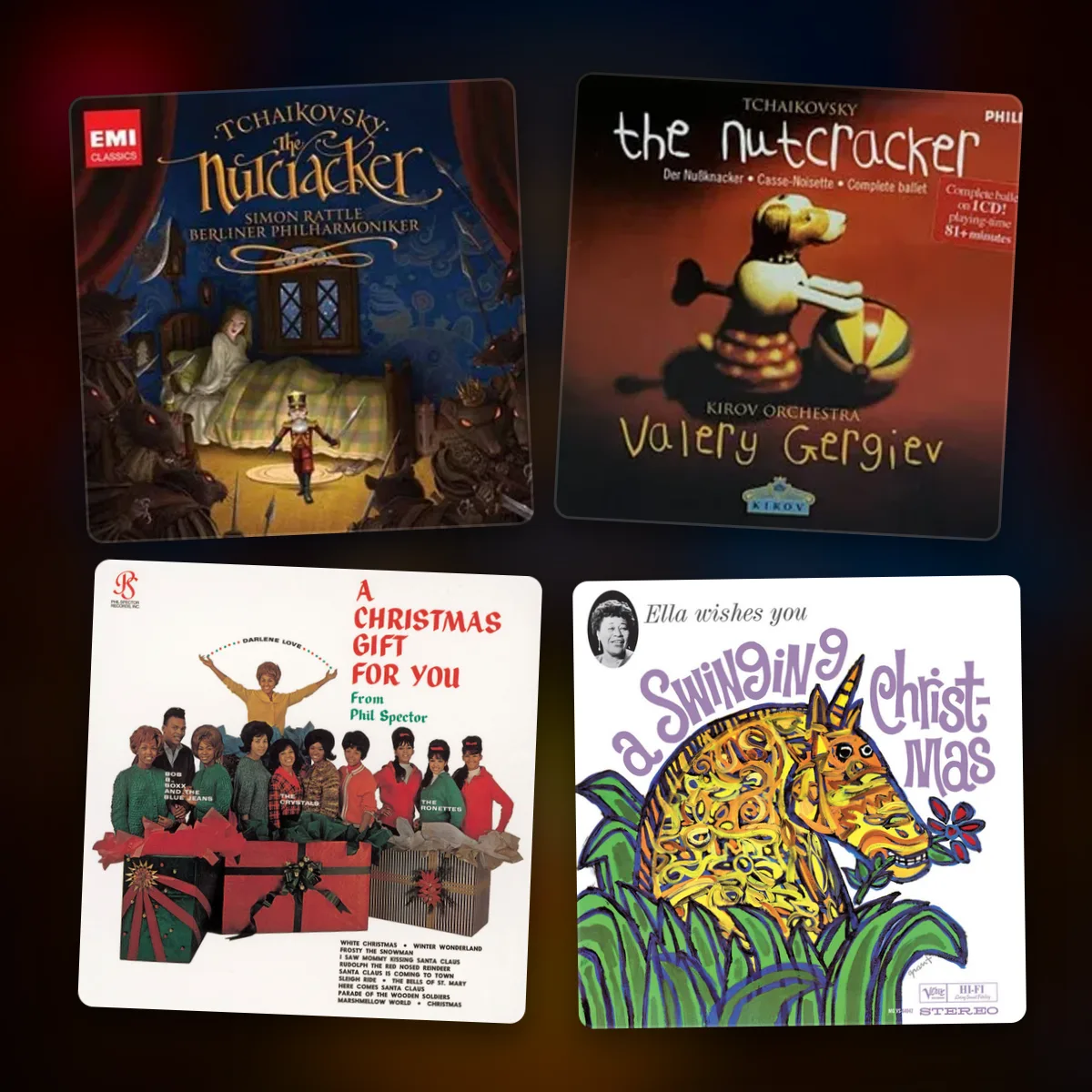
Top 25 Vocal Jazz Albums
Top 5 Records
Build the song
Start with a lyrical melody and a clear song structure, drawing on vocal jazz. Use extended jazz chords such as sevenths and ninths, with occasional chromatic movement, and leave room for the singer to shape phrases freely.
Arrange the ensemble
Try an acoustic piano, upright bass and a lightly brushed drum kit. For a ballad, use a relaxed swing or shuffle; for a brighter sway, borrow a syncopated bossa nova pulse. Add guitar, strings or saxophone sparingly, using piano fills or counter-melodies to answer the voice.
Record the vocal
Keep the lead close and expressive rather than overpowering. Aim for a warm, clean balance, with subtle room ambience and enough space for the words and melody to remain clear.

Basic Jazz Vocal Harmony Stacked Major & Minor 3rds
Lee Brothers Productions

Free Singing Lesson - Jazz (Ella Fitzgerald, Frank Sinatra, Diana Krall, Michael Buble)
1108 Vocal Studio

Wanna Sing Smooth Jazz But It Doesn’t Sound Right?
Healthy Vocal Technique

The Most Efficient way to Practice JAZZ VOCAL IMPROVISATION - Call&Response #1
Tak Iwasaki

Top albums
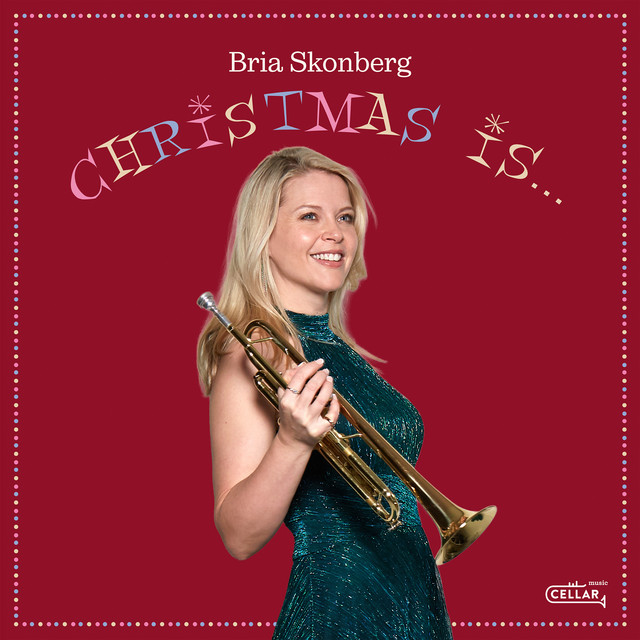
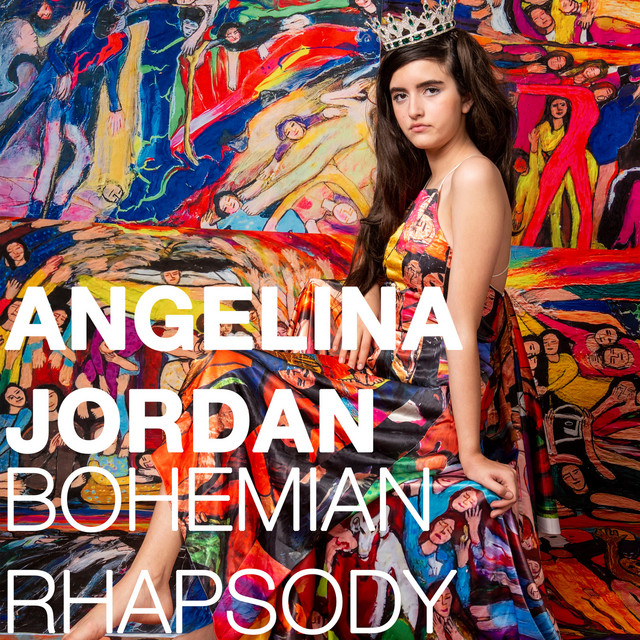
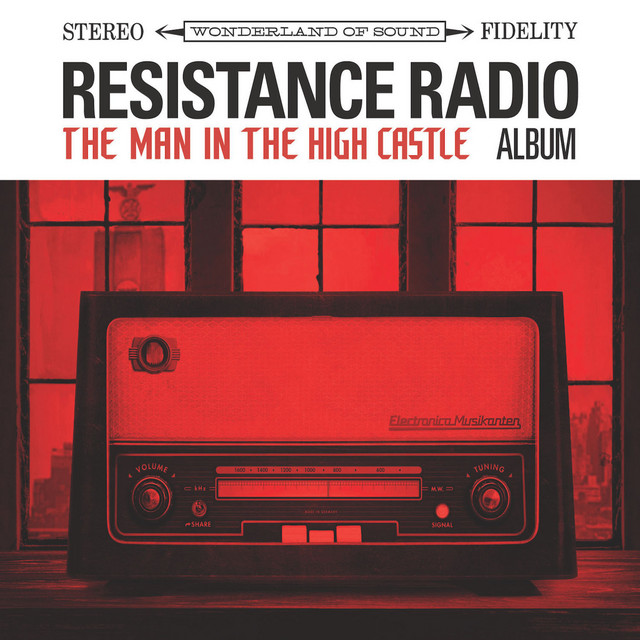
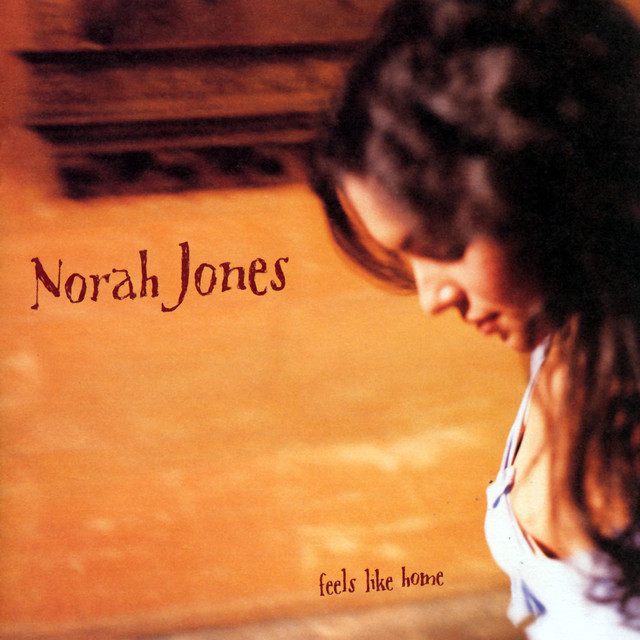
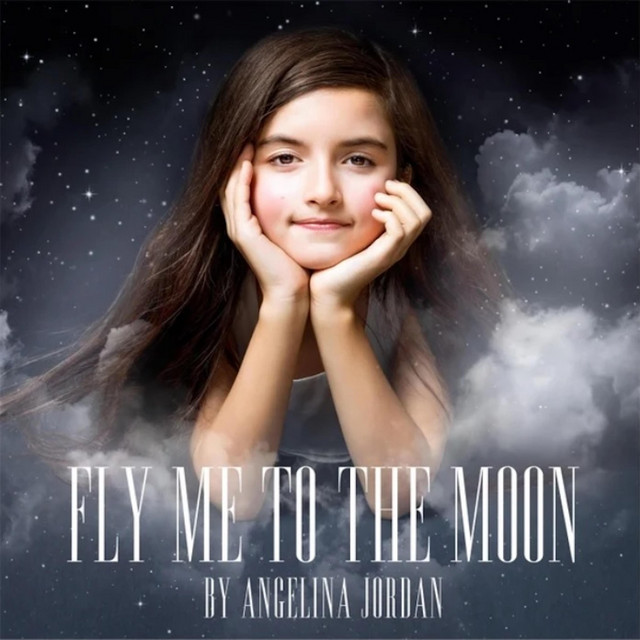


Best playlists


Influenced by


Other similar genres
Genres sharing the most artists with Contemporary Vocal Jazz