Description
Fast, driving corridos alternativos combine Spanish-language storytelling with bright ensemble playing and a strongly danceable pulse. The term is used by Every Noise at Once and a Sounds of Spotify playlist, but has scant published description. Most releases in the playlist are from the 2010s.
The music commonly moves with a galloping waltz or a polka-like bounce. Low tuba or electric bass notes anchor the beat while strummed guitars strike between them; some groups add a drum kit, while others keep the rhythm moving without one. Accordion and brass provide lively, ornamented responses to the singing. The arrangements often stay in major keys, using straightforward chords and quick melodic fills.
Voices tend to be bright and forceful, often with two singers closely harmonizing. Spoken or shouted introductions add to the sense of occasion on some tracks, and the production is frequently clean and punchy, with voices and low brass prominent. The music sits close to corrido, sierreño and norteño: narrative song meets guitar-led regional music and dance rhythms. Titles such as “Estrategia De Escape,” “Comando de la Muerte” and “Fiesta en Chicali” suggest stories of danger and escape alongside celebrations and personal tales.
Based on: Every Noise at Once, Spotify's genre tags and playlist

NEW CORRIDOS V.S OLD CORRIDOS🇲🇽⁉️
JyDelgado

Corrido alternativo Post-Punk 🤠🤟🏼
JCesarTV

Corridos Tumbados feat. Natanael Cano | Género 101 | Amazon Music
White Lions Records
Build the rhythm
Start with a fast waltz-like gallop or polka pulse. Alternate low bass notes with clipped, offbeat guitar chords. Use a tuba for a resonant low end or an electric bass for a leaner sound; add a drum kit for extra punch, or let bass and guitar carry the rhythm alone.
Write the song
Draw on the narrative approach of corrido and the guitar-led sound of sierreño and norteño. Use a simple major-key chord progression and a direct Spanish-language vocal melody. Try two voices in close harmony, with accordion or brass answering the ends of vocal lines in quick, ornamented phrases.
Shape the recording
Aim for a bright, direct mix that keeps the singing and bass prominent. A spoken or shouted introduction can set up the story before the ensemble begins.

Cuando estudiaste teoría musical pero tocas corridos
JCesarTV
Ritmos y Rasgueos del regional mexicano, corridos
Luis F Herrera

Corridos Tumbados guitar tutorial🍒
ESTILO MUSIC

¡Ritmo 6/8 en el Bajo Eléctrico! Tutorial para Corridos Tumbados
ESTILO MUSIC

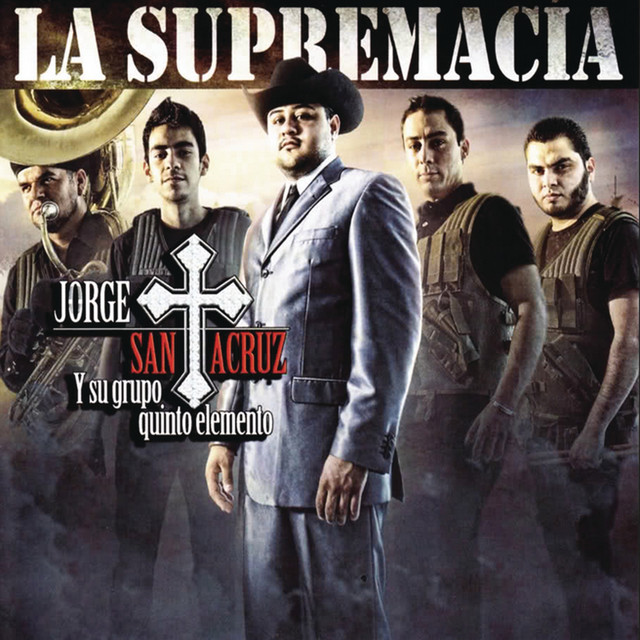
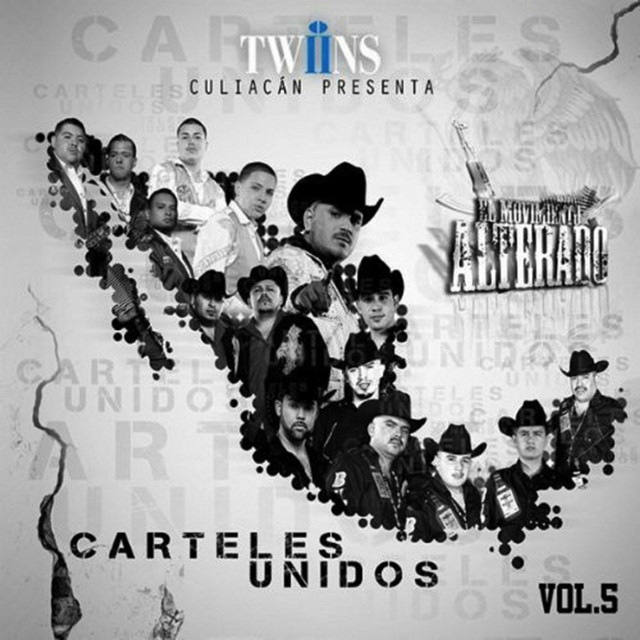
Top albums







Best playlists



Influenced by



Other similar genres
Genres sharing the most artists with Corridos Alternativos