Description
Dancehall mauricien is driven by syncopated electronic drums, deep bass and voices that move between catchy singing and forceful rhythmic delivery. The name comes from Every Noise at Once and Spotify’s “The Sound of Dancehall Mauricien” playlist, with scant published writing to explain it.
Most tracks move at a steady mid-tempo pace, using punchy kicks and crisp snares, claps or rimshots. Warm synth pads, plucked synth lines and clean guitar can soften the groove, while short brass-like synth stabs give some tracks a harder edge. Repeating, often minor-key loops leave room for the voice and the rhythm to take the lead.
Vocals are in French or French-based Creole, sometimes with English phrases. Smooth, noticeably pitch-corrected melodies sit alongside grittier rapping, dancehall-style toasting and shouted phrases; backing harmonies, group chants and ad-libs add emphasis. The production tends to be clean and bass-heavy, with the lead voice prominent in the mix. The mood ranges from laid-back and romantic to confident and confrontational, but remains strongly danceable.
The music sits close to dancehall, ragga and shatta: rhythm-led styles that pair prominent bass and electronic percussion with singing or rhythmic vocal delivery. Titles such as “Bizin Lamour” and “Laroute 1 Nuit” suggest themes of love and nightlife. Much of the playlist’s music was released in the early 2020s.
Based on: Every Noise at Once, Spotify's genre tags and playlist
Build the groove
Start with a mid-tempo electronic drum pattern. Give the kick weight, place crisp snares, claps or rimshots around a syncopated dancehall rhythm, and add a deep synth bass line that locks in with the drums. Keep the pattern spacious enough for the vocal to drive the track.
Add melodic colour
Use a short, repeating minor-key progression or a sparse loop. Try warm synth pads, plucked synth figures or clean guitar; for a more assertive feel, use short synthesized brass stabs instead. Draw on dancehall’s rhythmic focus, ragga’s electronic vocal delivery and shatta’s sparse percussion and heavy bass.
Record and mix the voice
Write a memorable sung hook or a rhythmically delivered verse, then add group responses, harmonies or ad-libs. For a smoother sound, experiment with noticeable pitch correction, reverb and delay; for a tougher delivery, keep the lead relatively dry and put effects on selected phrases. Mix the vocal clearly above a tight, prominent low end.

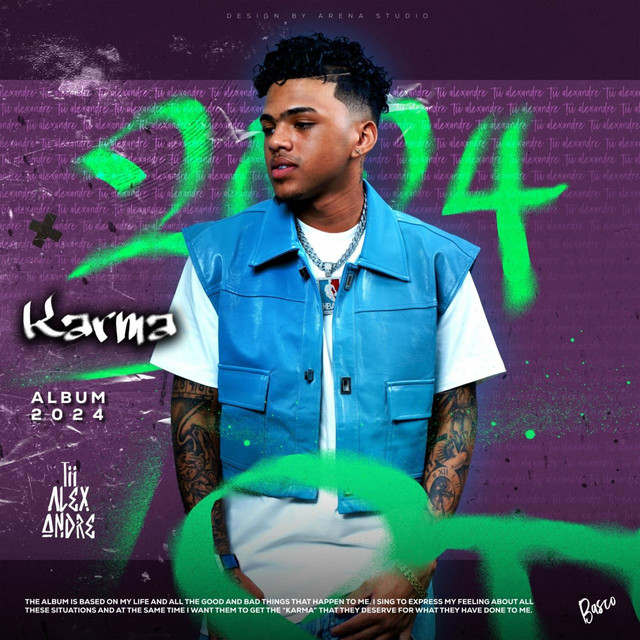
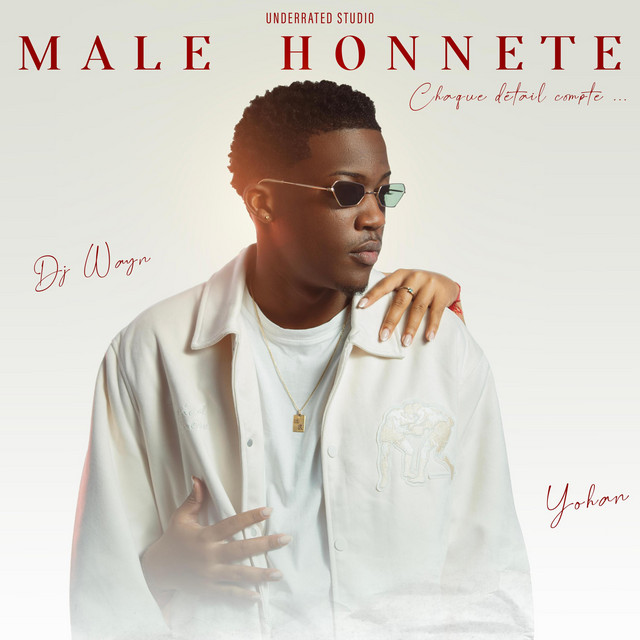
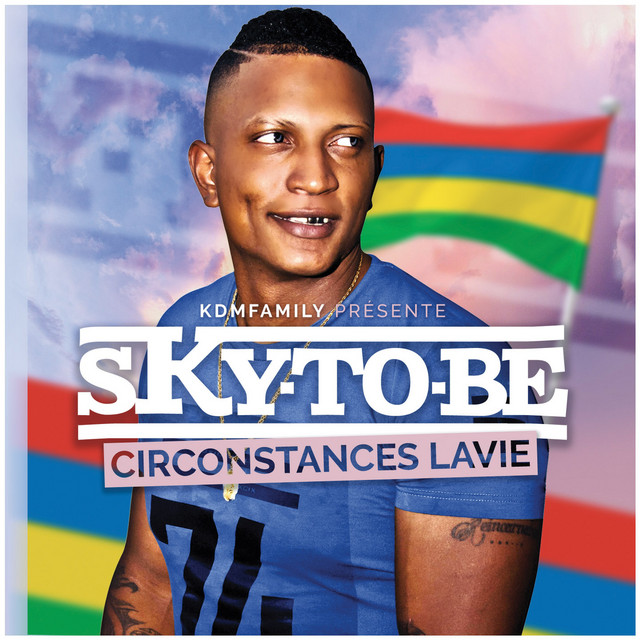
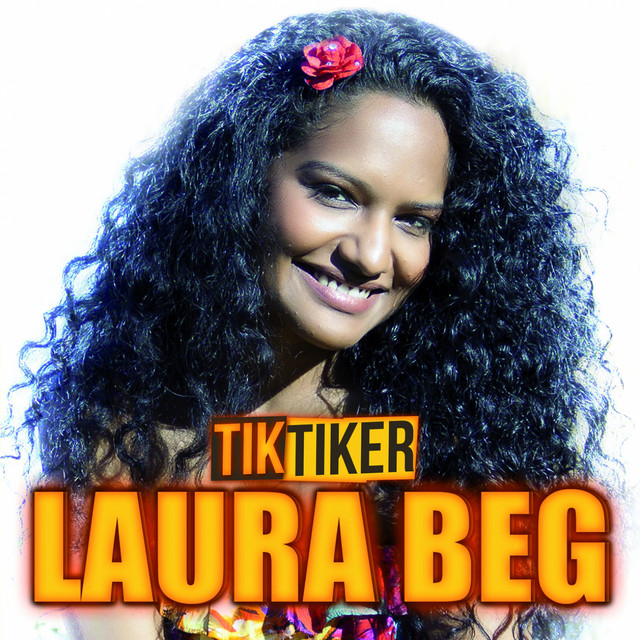
Top albums






Best playlists



Influenced by



Other similar genres
Genres sharing the most artists with Dancehall Mauricien