Description
Dariacore, also known as hyperflip, is an internet-based electronic dance music microgenre built around recognizable samples and rapid, densely layered production. Pop vocals, viral sounds and other fragments are chopped, pitch-shifted and distorted, often alongside conspicuous sound effects. The result is playful and frenetic, with abrupt changes and overstimulating drops.
Its rhythms can combine the bounce and syncopation of Jersey club with breakbeats, while dubstep-style bass and sound design add weight. Although it shares material and an internet culture with hyperpop, dariacore is not simply defined by that relationship: its collage-like treatment of samples draws on a wider range of dance music.
Based on: Wikipedia, Rate Your Music
More on: MusicBrainz, Every Noise at Once, Wikidata

What's Dariacore? #shorts
Saurana

Danny Brown on dariacore
flashmemories

Dariacore: The YTP Music Genre
dogweb

i cant stand tiktok daria #gatekeepdariacore #hyperflip #dariacore #flstudio
fembread
History
Naming and emergence
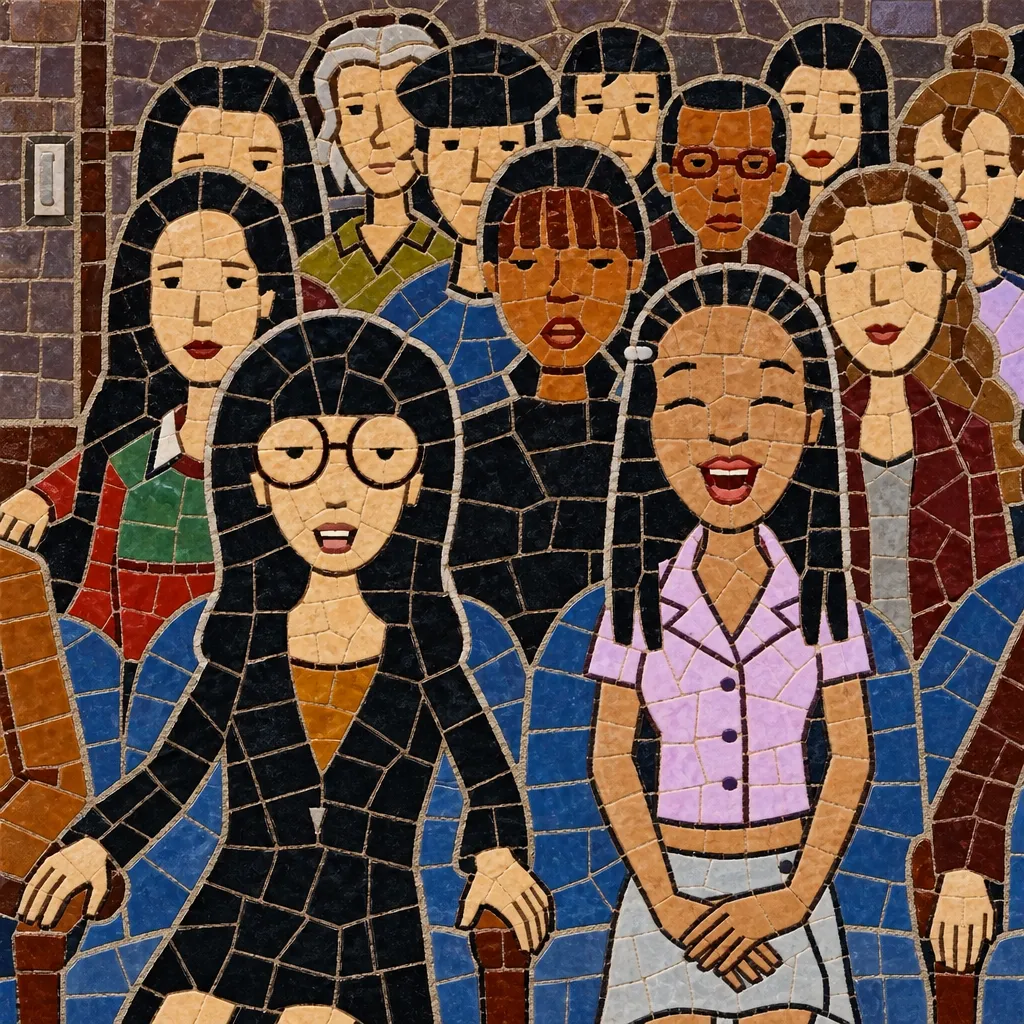
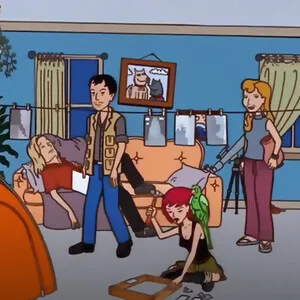
In the early 2020s, American musician Jane Remover used the name dariacore for a trilogy of albums released on SoundCloud under the alias Leroy. The artwork drew on the cartoon Daria. Other producers adopted the approach, turning it into a wider online microgenre.
Scene and revival
The early scene saw accusations that some artists were copying Jane Remover’s style. Jane later disavowed the term, calling it a joke that had gone on too long; some artists stopped using the hashtag, and hyperflip gained use as an alternative name. Jane revisited the sound with the Leroy album Grave Robbing in 2023, as the scene experienced a resurgence.
Japan
A Japanese scene grew around the style, often using the name hyperflip. The netlabel Lost Frog Productions released projects associated with it, and dedicated in-person events were organized. Japanese hyperflip also has roots in Niconico’s 音MAD remix culture; its samples commonly draw on anime songs, J-pop and Vocaloid music.
Build a sample palette
Start with recognizable vocal or pop-culture fragments and reshape them rather than letting them play unchanged. Cut vocals into short phrases, shift their pitch, and combine them with abrupt sound effects. Bitcrushing, distortion and heavy compression can make the layers deliberately noisy and exaggerated.
Program rhythm and bass
Aim for a fast, bouncy pulse. Build syncopated club rhythms and breakbeats, then contrast them with heavy bass and sharply designed drops. Use edits and changes in texture to keep the arrangement restless rather than relying on a single repeated loop.
Arrange for controlled overload
Stack edited samples, melodies and effects into dense passages, leaving enough contrast for each drop or sudden switch to register. In related dance-music production, a common approach is to alternate crowded sections with brief stripped-back moments; you could use that contrast to make the return of the full collage feel more forceful.

making beats based off your profile pictures #flstudio #digicore #robloxcore #jerseyclub #dariacore
shonci

HOW TO MAKE DARIACORE ⭐
☆NoAki☆

how to do a dariacore
closet
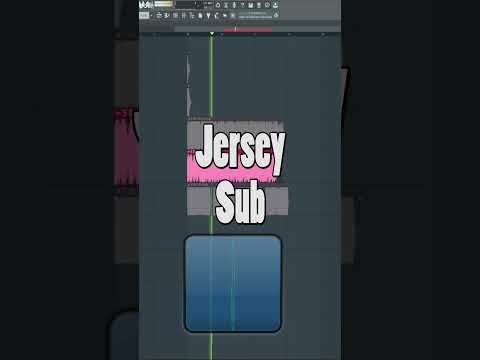
5 Easy Dariacore Sounds
Slime Cinema

Top Dariacore tracks
- Listen to How to Teleport by Jane RemoverHow to TeleportJane Remover · ♡, 2025
- Listen to Out of My Mind by TdstrOut of My MindTdstr · 7 Grand Dance, 2024
- Listen to WORST NIGHTM4RE by asteriaWORST NIGHTM4REasteria · WORST NIGHTM4RE, 2024
- Listen to dariacore for rhythm game nerds by tictactodariacore for rhythm game nerdstictacto · WIIPOP, 2023
- Listen to to derp or not to derp by gingusto derp or not to derpgingus · giratinightcore: emerald, 2022
- Listen to ta1lsd003 by ta1lsd0llta1lsd003ta1lsd0ll · cursed001, 2022
- Listen to KRIPA by fennecxxKRIPAfennecxx · KRIPA, 2025
- Listen to We're Gonna Save The World Tonight by takahiro(FKS)We're Gonna Save The World Tonighttakahiro(FKS) · Ten Nights' Dreams, 2023
- Listen to Wedbecutetoget-her by o0oWedbecutetoget-hero0o · Wedbecutetoget-her, 2020
- Listen to cyber solitude by overscorncyber solitudeoverscorn · cyber solitude, 2024









Top albums

Best playlists


Influenced by


Other similar genres
Genres sharing the most artists with Dariacore