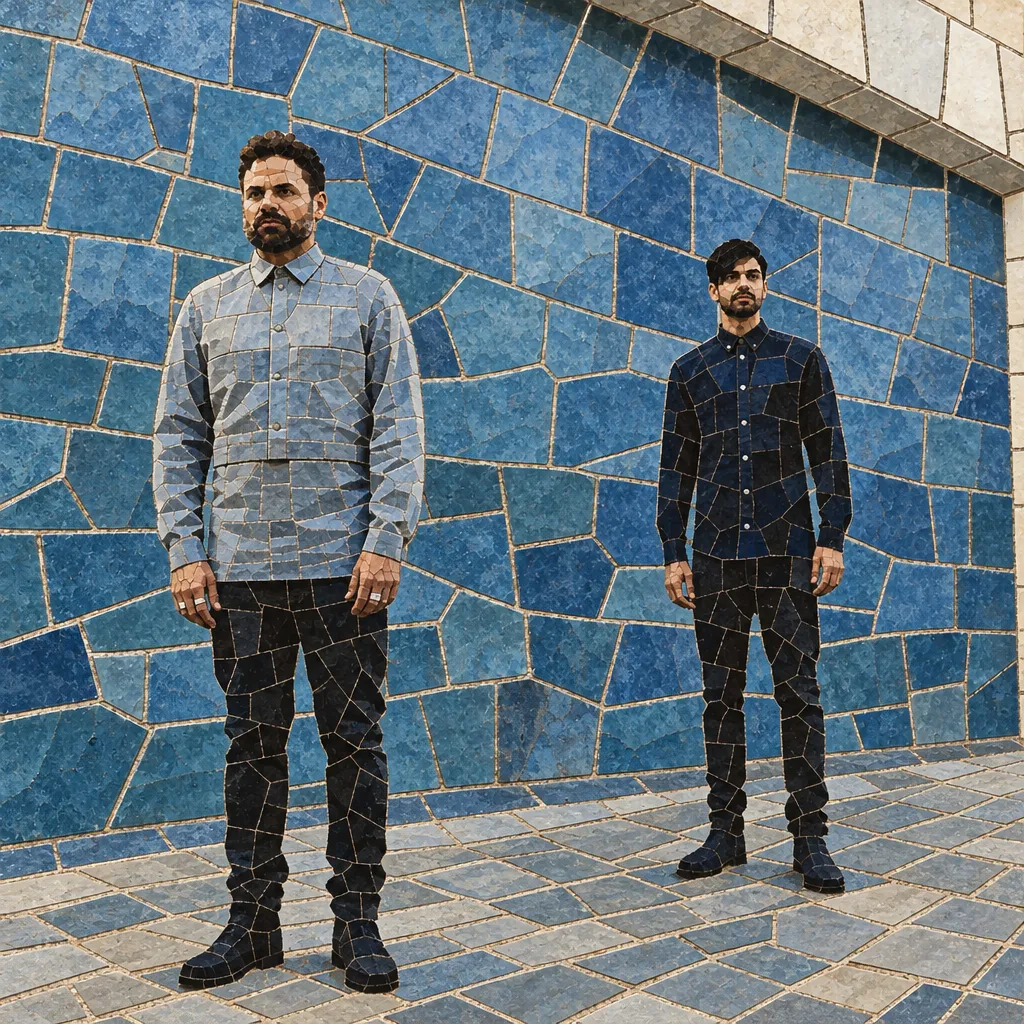
Description
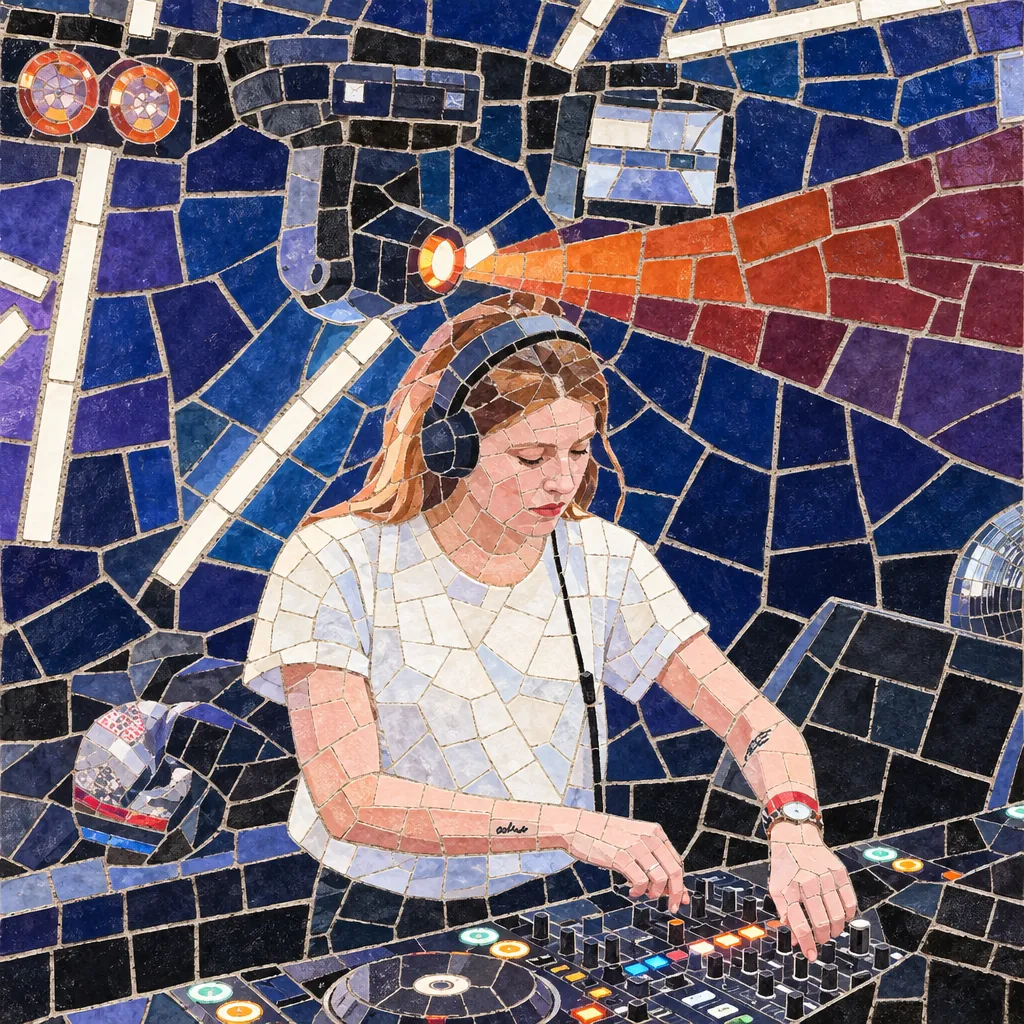
Dark techno is a mood-oriented branch of techno built around ominous atmosphere, forceful percussion and sustained tension. Deep kicks, rumbling bass frequencies and distorted drums give the music its weight, while metallic textures, dissonant synthesizers and sparse melodies contribute to its uneasy character.
It is defined more by its atmosphere than by a fixed tempo or production formula. Its sound can overlap with industrial, hypnotic, raw and hard techno.
Based on: scientificsound.asia, wemakedancemusic.com, michaell-penman-zz2r.squarespace.com
More on: Every Noise at Once

WTF is DARK TECHNO?! (feat. TUNNEL) | House of Jack
HOUSE OF JACK
History
Roots
Dark techno draws on Detroit techno, European electronic body music and industrial music, as well as harder club sounds that developed in Britain and Germany in the late 1980s and 1990s. Its musical vocabulary includes repetitive machine rhythms and stripped-back arrangements suited to underground dance spaces.
Club culture
Berlin became an important centre for techno culture after the fall of the Berlin Wall, as unconventional venues and abandoned buildings offered space for clubs. Heavy sound systems, extended DJ sets and music for enclosed dance floors helped establish an austere approach associated with the city.
International reach
During the 2000s and 2010s, dark techno spread through independent labels, digital platforms, festivals and specialist club nights. It now encompasses a broad international range of sounds rather than a single regional scene.
Build the low end
Start with a deep kick and a bass part that work together rather than competing for the same space. Add low-frequency layers to create a rumbling foundation, and shape their levels and envelopes until the groove feels driving and controlled.
Develop the percussion and atmosphere
Use heavy, distorted drums as the core of the track. Reverb and delay can give hits a sense of space and prolong their tails; metallic percussion and dissonant synthesizer textures can add tension. Keep melodic material sparse if you want the rhythm and atmosphere to lead.
Arrange for sustained movement
Build a simple, percussion-led arrangement by introducing, removing and altering layers over time. You could use effects, filtered sounds and risers to increase pressure between sections, while maintaining the repetitive groove. There is no single required tempo or production formula: aim for a dark, hypnotic character rather than a particular set of numbers.

HOW TO MAKE DARK TECHNO - FL Studio Tutorial (+FREE FLP)
D34N

Making DARK TECHNO With Ableton Live's Drum Synth, Mono Sequencer, & Noise Engineering
343 Labs

The Best Scales For Dark Techno #technomusic #technotutorial
Zen World - EvoSounds

Dark Techno in Under 60 Seconds (You’ll Want to Try This)
EDM Tips

Top albums

Best playlists

Influenced by

Other similar genres
Genres sharing the most artists with Dark Techno