Description
Driving electric guitars, active bass and strong snare backbeats give much deep christian rock an energetic, anthemic sound. The term comes from Every Noise at Once and a Spotify playlist, though published writing devoted to it is scarce.
Many tracks move at a fast, steady rock pulse, with overdriven or chorus-treated guitars supported by drums and occasional keyboard or organ pads. The English-language lead vocals often have a raspy, urgent edge, while layered backing harmonies help give the melodies a soaring quality. Spacious reverb adds a wide studio sheen to voices, guitars and drums. Slower songs offer a more deliberate, reflective contrast, and some music draws on bluesy melodic phrases or acoustic rhythm guitar.
The music sits close to christian rock and contemporary christian music, as well as the polished hooks and layered arrangements of aor and arena rock. Christian alternative rock is another nearby style. Titles such as “I'd Rather Have Jesus,” “Life Begins At The Cross” and “Pray Where You Are” point to themes of faith, worship and spiritual reassurance. Many of the releases associated with the playlist come from the 1980s and early 1990s.
Based on: Every Noise at Once, Spotify's genre tags and playlist

SOFT ROCK WORSHIP | The Sound of Redemption – Emotional Christian Rock to Encounter God's Presence
Sacred Frequency
Build the band sound
Start with a steady rock drum beat, a prominent snare backbeat and an active electric bass line. Add overdriven or chorus-treated rhythm guitar; acoustic strumming can fill out the arrangement. For a slower song, give sustained keyboard chords more room.
Write and arrange
Use direct, tonal chord progressions and a strong, singable lead melody. Draw on the anthemic hooks of arena rock and the layered polish of aor, or add blues-inflected phrases to the guitar and vocal lines. Christian rock and contemporary christian music offer models for lyrics about faith, prayer and spiritual struggle.
Record the vocals
Try an earnest lead delivery with some grit, supported by harmony vocals on the chorus. Use reverb and, where appropriate, chorus or delay to give the mix a spacious studio sound.

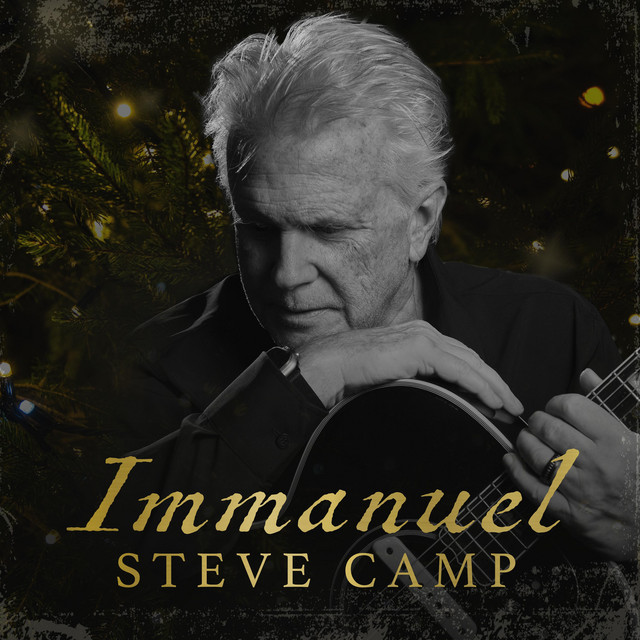
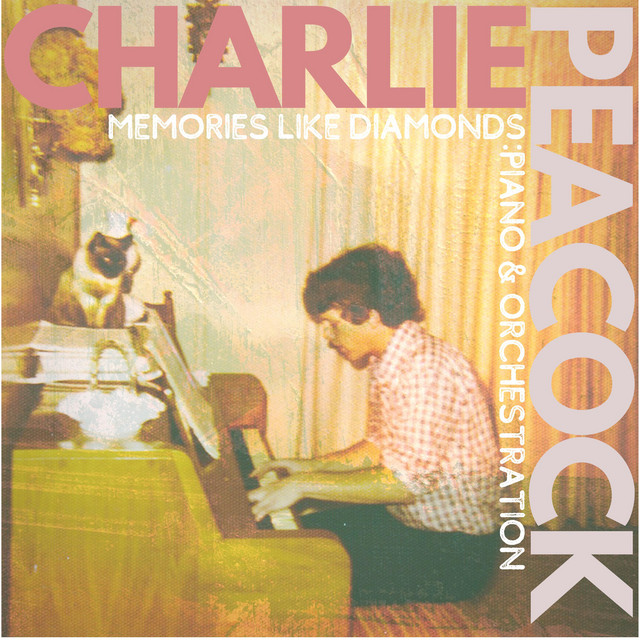
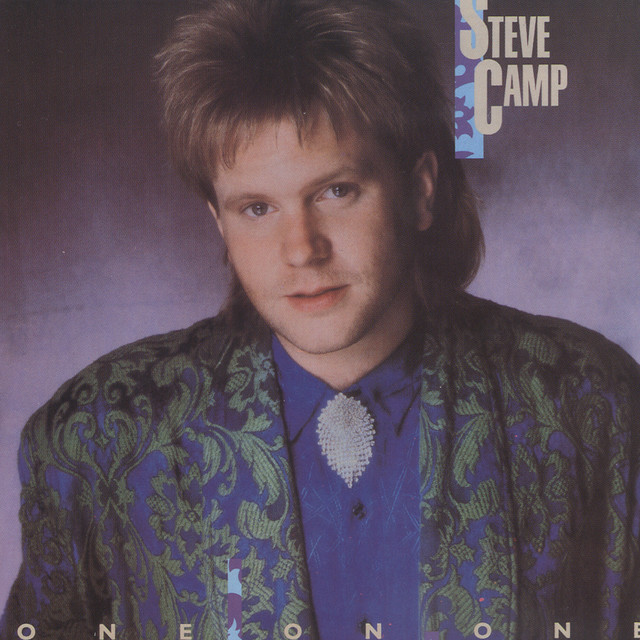
Top albums
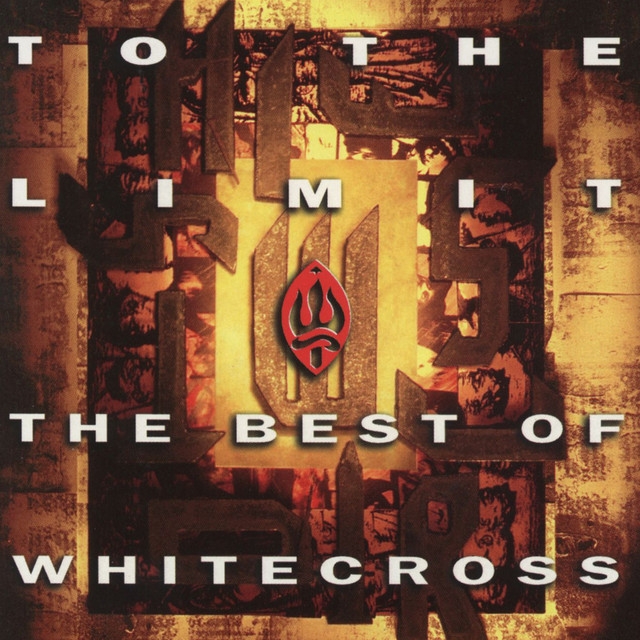
Best playlists
Deep Christian Rock
Melodigging
The Sound of Deep Christian Rock
Every Noise at Once
Deep Christian Rock
Chosic
Christian Rock 2000’s Deep Cuts
kenschwartz27

🔥 Christian Rock Worship Playlist Vol. 3 | Rock of Ages Worship🔥
𝐑𝐨𝐜𝐤 𝐨𝐟 𝐀𝐠𝐞𝐬 𝐖𝐨𝐫𝐬𝐡𝐢𝐩
Influenced by




Other similar genres
Genres sharing the most artists with Deep Christian Rock