


Description
Deep darkpsy is intense electronic dance music driven by fast to very fast beats, rolling synth bass and restless, squelching sound effects. The name is used by Every Noise at Once and Spotify’s playlist “The Sound of Deep Darkpsy”, though the style has scant written description.
Much of the music locks a four-on-the-floor kick to a rapid bass pattern, with crisp hi-hats, glitchy percussion and resonant synth lines sweeping across the mix. Rather than developing through conventional melodies and chord changes, tracks often hold to a single pitch while filters, pitch bends and electronic textures keep shifting. Production tends to be dense, loud and wide, with frequent stutters and gated effects. Sustained singing is generally absent; when voices enter, they are often chopped and processed into rhythmic textures.
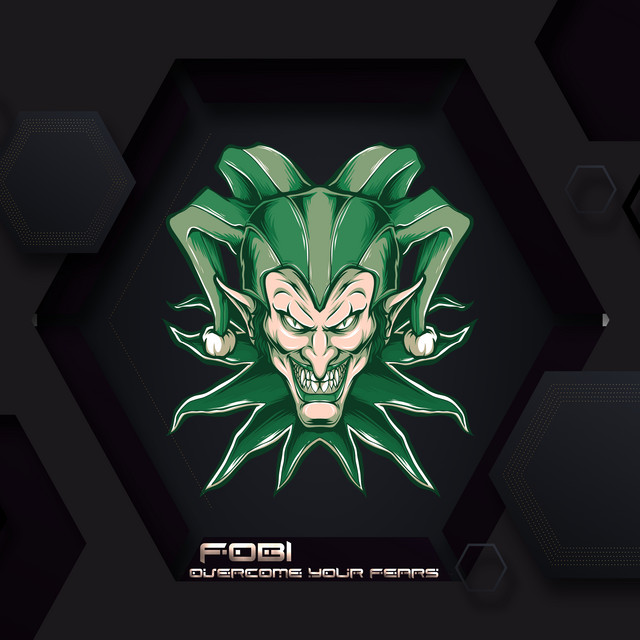
Some tracks move away from the steady dance beat into abrasive digital noise and extremely rapid percussion rolls. Across these variations, the mood is often frenetic, hypnotic and futuristic. Deep darkpsy sits close to psytrance and dark psytrance, sharing their psychedelic sound design and fast dance rhythms, while its more fractured electronic details also recall hi-tech. Playlist titles such as “Forest of Equilibrium”, “Cosmonaut Voice” and “Overcome Your Fears” suggest natural, cosmic and unsettling imagery. Many playlist releases date from the 2010s and early 2020s.
Based on: Every Noise at Once, Spotify's genre tags and playlist
Build the rhythmic foundation
Start with a fast or very fast four-on-the-floor electronic kick and a tightly synchronized rolling synth bassline. Add crisp hi-hats and short, stuttering percussion, keeping the groove insistent and danceable. For a more abrasive variation, interrupt the pulse with rapid programmed rolls and abrupt edits.
Shape the psychedelic textures
Draw on psytrance and dark psytrance for a hypnotic, high-energy framework. Use resonant, squelching synths, noise sweeps and pitch bends, letting a sustained bass note or drone anchor the track while its timbre changes. Hi-tech offers a reference for more fractured, futuristic glitch effects.
Arrange and process
Favor dense electronic layers over conventional verse-and-chorus songwriting. Automate filters and stereo movement to create momentum, and use gating or stutter edits for sudden rhythmic changes. If using a voice, try brief, heavily processed fragments as texture rather than a sustained lead vocal.

HOW TO MAKE PSYTRANCE (FL STUDIO)
Wubbix
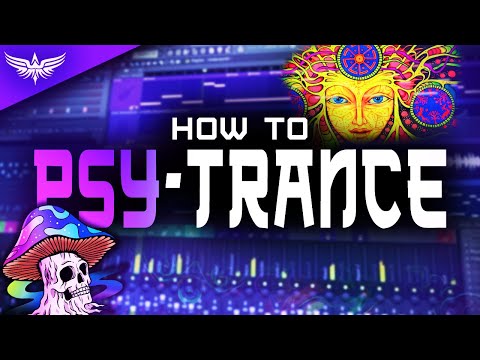
HOW TO MAKE PSYTRANCE
Ultrasonic

How to Make PSYTRANCE (like VINI VICI and Infected Mushroom) – FREE Ableton Project! 🍄🤪
EDM Tips

How I made my new track ‘H!gh On Ac!d’.. 🤖🍭👀 #shorts #producer #tutorial #psytrance 🎶
Blastoyz

Top albums

Best playlists
Deep Darkpsy
Melodigging
The Sound of Deep Darkpsy
Every Noise at Once
Deep Darkpsy
Chosic

Best of Deep Darkpsy
volt.fm

Dark Psytrance 'Twilight' Forest - DARKPSY ACID Shamanic Tribes MIX 2020
Goa dark
Influenced by


Other similar genres
Genres sharing the most artists with Deep Darkpsy

