

Description
Bright synthesizers, a driving dance beat and German-language sing-along vocals give deep discofox an upbeat, party-ready sound. The name comes from Every Noise at Once and a Spotify playlist, with scant published commentary about it. The music is close to schlager, a melodic pop style that can be sentimental as well as celebratory.
Tracks typically ride on a steady four-on-the-floor electronic kick, with claps or snare on the backbeat, off-beat hi-hats and a pulsing or bouncing synth bass. Synth leads and pads fill out the arrangements; some tracks also bring in distorted guitar or accordion. The melodies are direct and catchy, often built around simple major-key harmonies and choruses made for singing along.
Lead vocals range from clear, earnest pop singing to raspy, half-shouted party chants. Backing voices add harmonies, echoed phrases or full-throated group refrains. The production is bright, loud and compressed, with vocals pushed forward and reverb giving the mix a spacious sheen.
Many playlist titles point to carnival, après-ski, football and drinking parties, while others evoke love and longing. Most of the releases are from the early 2010s.
Based on: Every Noise at Once, Spotify's genre tags and playlist
Beat and arrangement
Build a fast, steady dance groove around an electronic four-on-the-floor kick, claps or snare on the backbeat, and off-beat hi-hats. Add a pulsing or bouncing synth bass, then layer bright synth leads and pads. Distorted guitar or accordion can add a rougher party texture.
Melody and vocals
Draw on schlager's direct, melodic pop writing: use simple, often major-key harmonies and a chorus that is easy to sing along to. Try an earnest lead vocal for a romantic song, or a raspy chant for a rowdier one. Reinforce the hook with backing harmonies, echoed phrases or group shouts.
Production
Keep the mix bright and punchy, with the vocal prominent over the electronic rhythm section. Use compression for a consistently loud sound and add reverb to vocals, drums or synths for a spacious finish.

Discofox Fallfigur zum nachtanzen 💃
Corni

Top albums









Best playlists
Deep Discofox
Melodigging
The Sound of Deep Discofox
Every Noise at Once
Deep Discofox
Chosic

Discofox Megamix Dj Happy Vibes
Laserfreak

Discofox und Schlager Party HITMIX Vol. 7 ( mixed by NEO TRAXX )
NEO TRAXX
Other similar genres
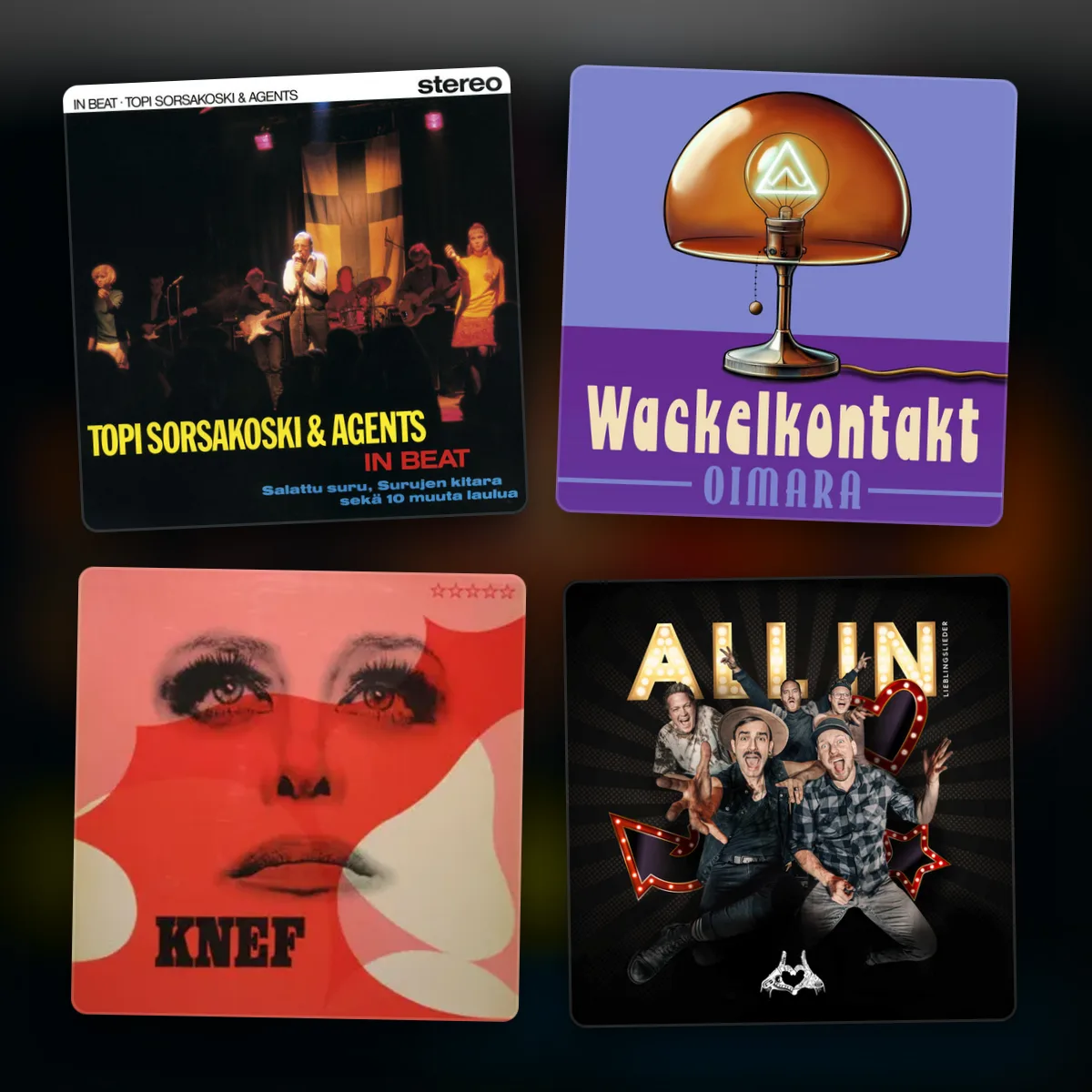
Genres sharing the most artists with Deep Discofox

