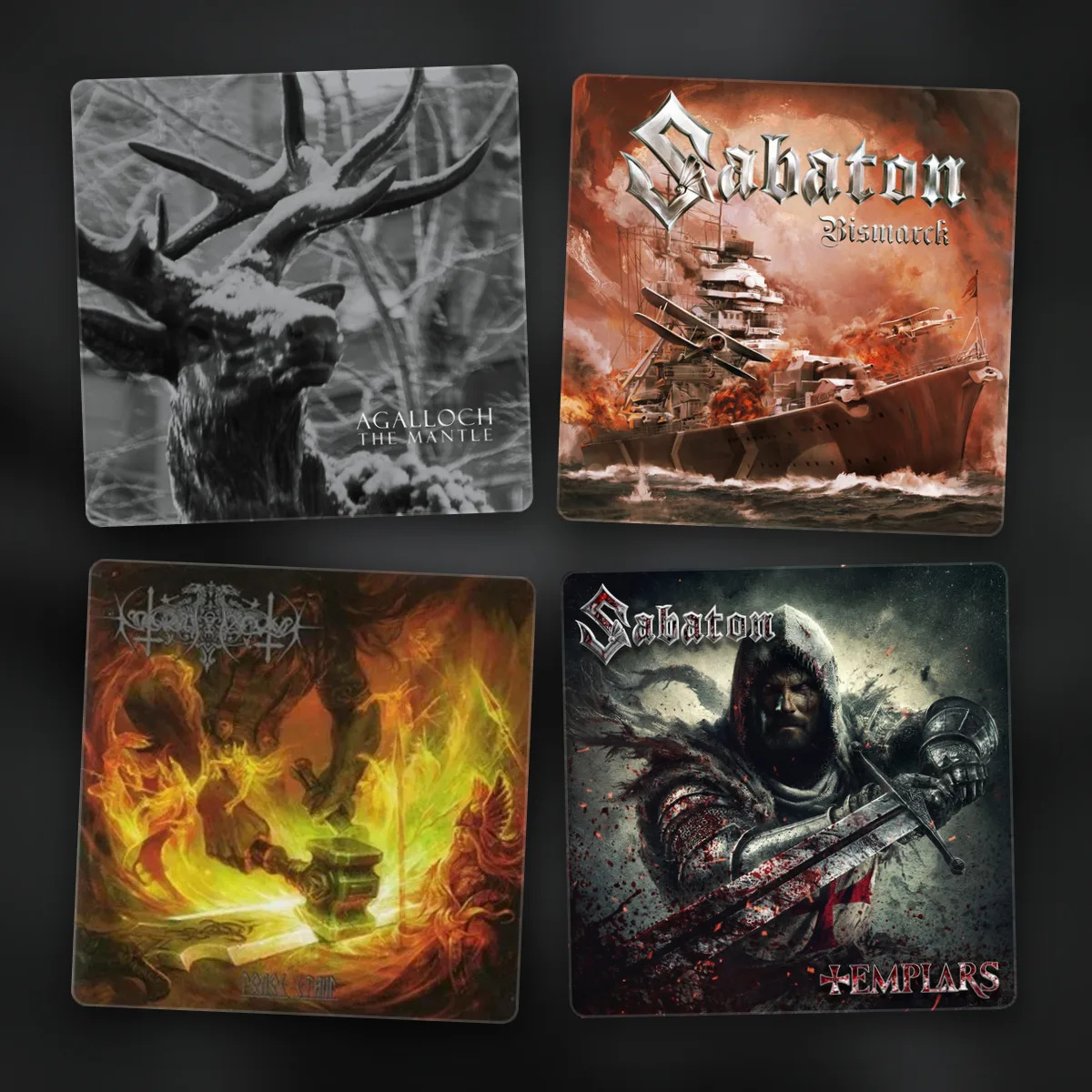
Description
Deep melodic death metal combines heavily distorted guitar riffs and forceful drumming with dramatic melodies, often carried by harmonized guitar leads or soaring vocals. The term is used by Every Noise at Once and a Spotify playlist, though it has scarcely any written description.
The music ranges from slower, steady hard rock with gritty or theatrical singing to fast extreme metal driven by double-kick drums and growled or screamed vocals. Between those poles, some tracks alternate harsh vocals with clean, high-register choruses and shift from rapid rhythms into heavier half-time chugging. Punchy snares and crashing cymbals give the drums a prominent place in the dense, wide guitar sound.
Melodic death metal and death metal are close reference points: low, palm-muted riffs and minor-key harmonies supply the weight, while lead guitars bring out the melodic side. Keyboards sometimes add atmospheric layers or more prominent orchestral and electronic colors. Vocals are often in English, and titles such as “The Scars Within,” “Realm of Ancient Shadows” and “Death Will Prevail” suggest themes of struggle, darkness and fantasy. Many of the playlist’s releases date from the early 2010s.
Based on: Every Noise at Once, Spotify's genre tags and playlist

MELODIC DEATH METAL Bands RANKED (🌶️Controversial?)
Metal Trenches

Defending Melodic Death Metal
Wyattxhim

What is Melodic Death Metal?
Occulturation

Top 10 Melodic Death Metal Albums
Occulturation
Riffs and rhythm
Start with the distorted, low-register guitar sound of death metal and melodic death metal. Build minor-key riffs from power chords and palm-muted chugs, with bass reinforcing the low end. Use punchy snare hits, crashing cymbals and fast double-kick patterns; contrast a driving section with a heavier half-time groove.
Melody and vocals
Write a strong lead-guitar melody, or harmonize two guitar lines above the rhythm parts. For a melodic death metal approach, pair growls or screams with a soaring clean-sung chorus. A slower, more rock-oriented track can instead center on gritty or theatrical singing.
Arrangement and production
Layer the guitars widely for a dense sound, keeping the drums clear and forceful. Add keyboards for background atmosphere or a more pronounced orchestral or electronic melodic layer. Metalcore offers another reference for syncopated chugs and breakdown-like shifts in the rhythm.
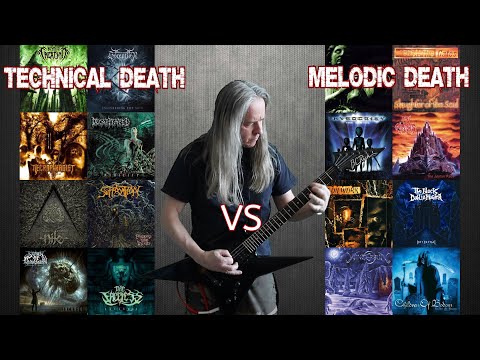
Technical Death Metal VS Melodic Death Metal (Ultimate Guitar Riffs Battle)
TheSuffocater

10 Levels Of Melodic Death Metal (Feat. Niclas Engelin of IN FLAMES & THE HALO EFFECT)
Nik Nocturnal

7 Underrated Melodic Death Metal Riffs (that will get stuck in your head)
Arman Grigorian

Top albums
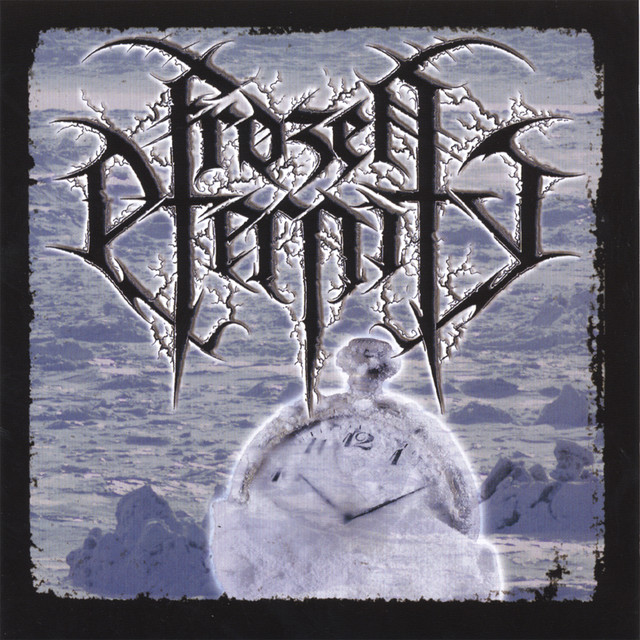

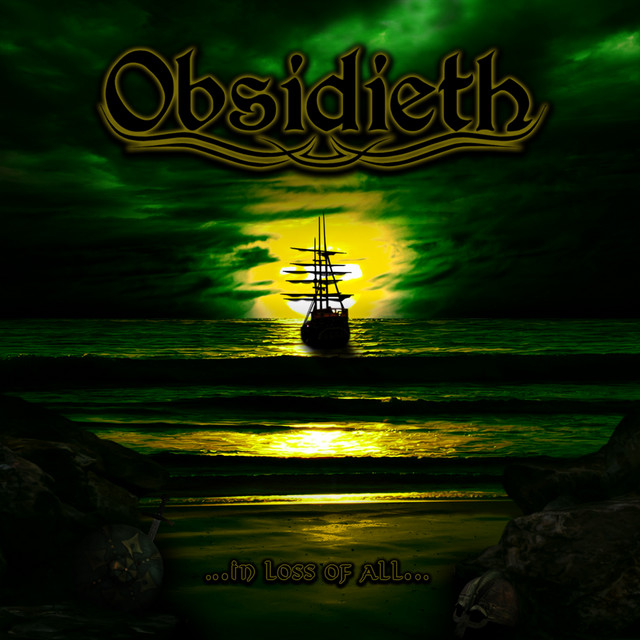


Best playlists
Deep Melodic Death Metal
Melodigging
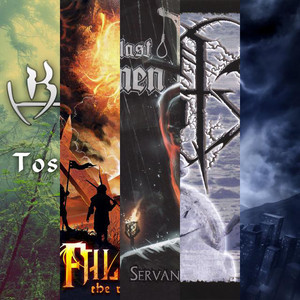
The Sound of Deep Melodic Death Metal
Every Noise at Once
Deep Melodic Death Metal
Chosic

Melodic Death Metal 2024 Q2
Melody Metal

MELODIC DEATH METAL MEGAMIX┃Comando Metal MIX
Comando Metal
Influenced by


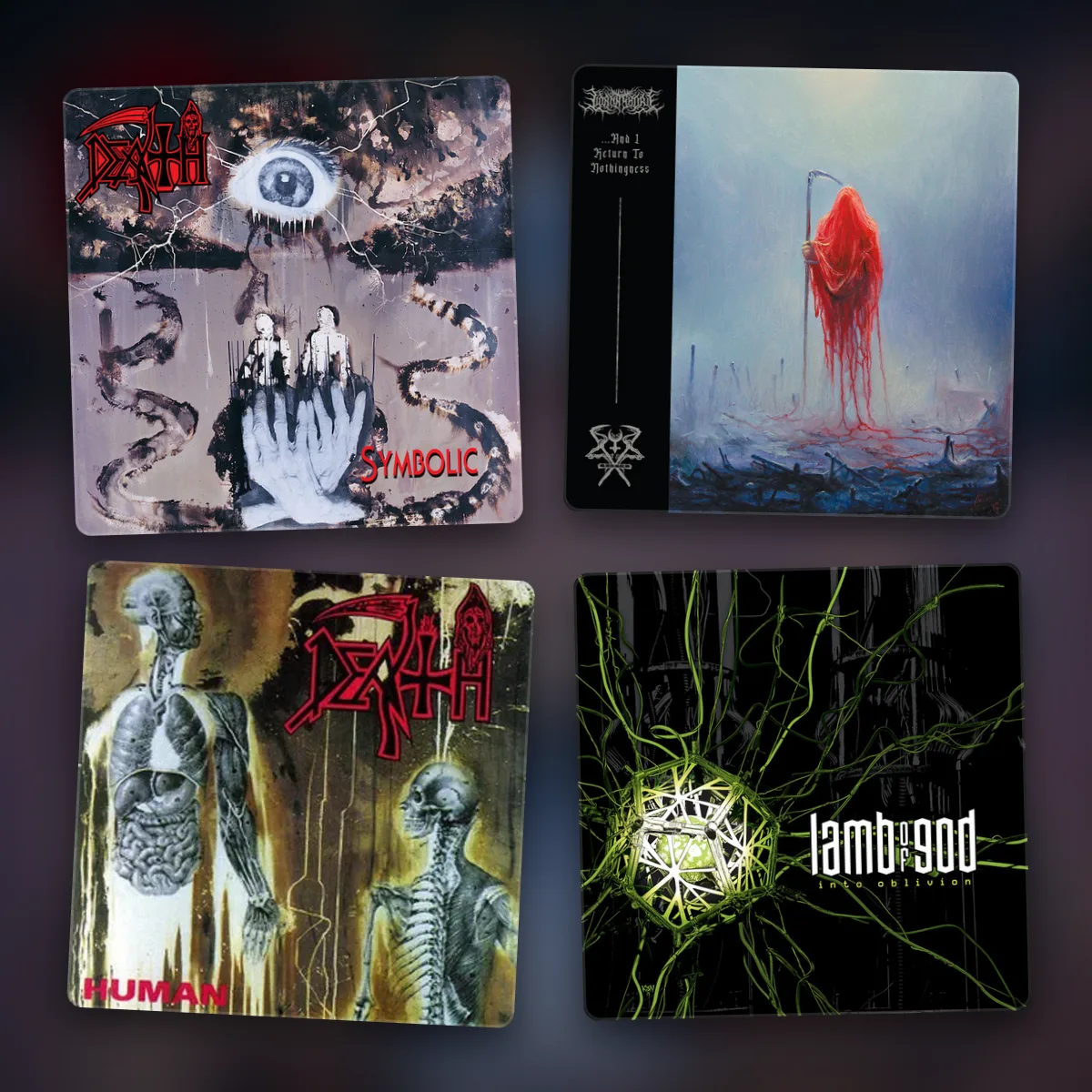
Other similar genres
Genres sharing the most artists with Deep Melodic Death Metal