

Description
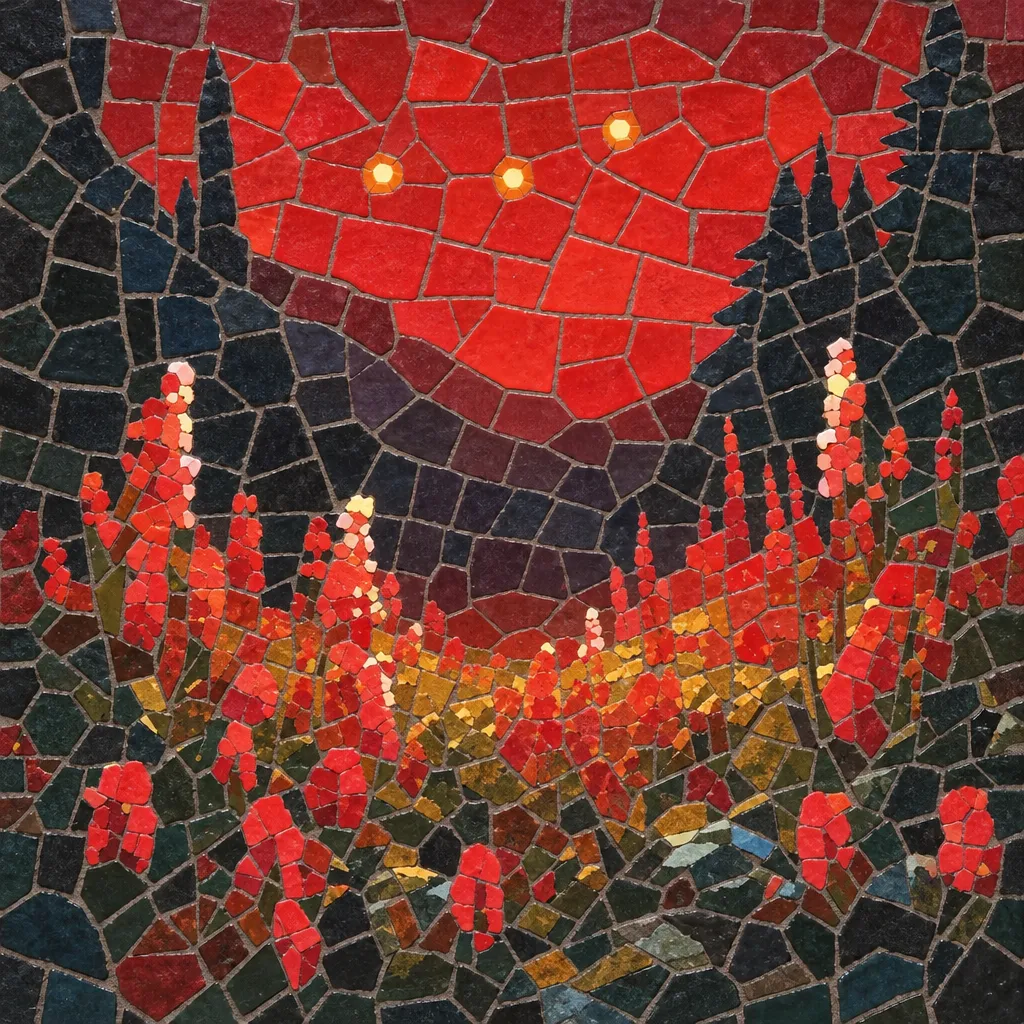
Deep melodic metalcore is driven by down-tuned, heavily distorted guitars, pounding drums and harsh English-language vocals. The term is charted by Every Noise at Once and used in Spotify genre labels and a Sounds of Spotify playlist, though written discussion of it is scarce.
The music tends to be fast and forceful, often dropping into a heavy half-time feel. Rapid double-kick patterns, sharp snares and crashing cymbals lock in with palm-muted guitar chugs, syncopated accents and abrupt stops. Low riffs and dissonant stabs contrast with higher melodic lines from guitars or synthesizers. Screams and shouts range from low and guttural to piercing, while some passages feature strained, emotive singing. The production is typically dense and compressed, with wide guitars, punchy drums and prominent vocals; some tracks add atmospheric synths, reverb or delay.
The style sits close to metalcore and melodic hardcore, combining breakdown-driven weight with melodic guitar writing. Its guttural vocals and heavy riffing also bring it close to deathcore. Track titles such as “Ghosts,” “The Collapse of Men” and “The Edge of Existence” suggest a preoccupation with conflict, loss and uncertainty, fitting the music’s often dark, urgent mood. Many of the releases associated with the style are from the early 2010s.
Based on: Every Noise at Once, Spotify's genre tags and playlist

Top 10s: Metalcore CLEAN Vocalists #metalcore
RankEm

what’s “metalcore”? #music
blustre

What Actually Is Melodic Hardcore?
james_exe

METALCORE vs. MELODIC METALCORE #metal #guitar #shorts
Jojo Plays Music
Build the heavy foundation
Start with down-tuned, distorted rhythm guitars and bass. Write low, palm-muted riffs with syncopated accents and stops, drawing on metalcore’s breakdowns and deathcore’s heavier riffing. Pair them with rapid double-kick patterns, sharp snare hits and cymbal crashes; shift into a slower-feeling half-time groove for contrast.
Add melody and vocals
Set high guitar or synthesizer lines against the low chugs, taking a cue from melodic hardcore’s emphasis on melody. Use screamed, shouted or guttural vocals, with occasional high, emotive singing if it suits the song.
Shape the mix
Keep the drums punchy and the rhythm guitars wide, with a dense, controlled sound. Synth pads can add atmosphere, while selective reverb or delay can give vocal and lead passages more space.

How to Metalcore in 30 seconds #shorts
Nik Nocturnal

Dark and Epic Chord Progression in Dm
Red Curtain Music Education

Metal Guitar Techniques | Modern Metalcore Lesson
Brendon K Padjasek Music

Modern Metalcore Riff 101 🔥
Jack Wood Guitar

Top albums



Best playlists
Deep Melodic Metalcore
Melodigging
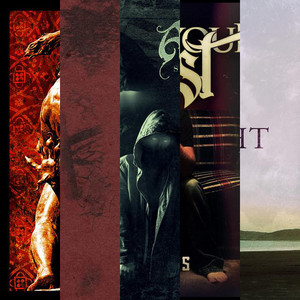
The Sound of Deep Melodic Metalcore
Every Noise at Once
Deep Melodic Metalcore
Chosic

Best of Deep Melodic Metalcore
volt.fm

Metalcore Instrumental Vol.1 | Melodic / Emotional | METAL MUSIC AI
METAL MUSIC AI
Influenced by



Other similar genres
Genres sharing the most artists with Deep Melodic Metalcore


