Description
Deep neofolk centers on English-language singing and acoustic strings, often with a wistful, storytelling character. The name comes from Every Noise at Once and a Sounds of Spotify playlist, while published discussion of the style is scarce.
Songs tend to move at a slow or mid-tempo pace, with fingerpicked or strummed guitar providing a gentle, steady pulse. Drums are often absent. Minor-key and modal melodies give much of the music a reflective, sometimes eerie cast. Voices range from intimate solo singing to layered harmonies, and the arrangements can expand to include bowed strings, bass or sustained keyboard-like tones. Warm, close recordings place the voice and the texture of the strings in focus, while reverb can give the music a more spacious, dreamlike quality.
The music sits close to traditional folk and folk, particularly in its narrative singing and acoustic arrangements, as well as to the darker atmosphere associated with neofolk. Titles such as “John Barleycorn,” “The Cutty Wren” and “Blessings of Beltane” suggest an interest in traditional songs, seasonal customs and folklore. Many of the releases associated with the style are from the early 2010s.
Based on: Every Noise at Once, Spotify's genre tags and playlist

¿Qué es el Neo Folk?
UNDER WAVE
Start with the song
Write an English-language melody with a narrative or reflective vocal, drawing on the modal and minor-key character of traditional folk and folk. Let the phrasing tell the story rather than relying on a strong drum beat.
Build the arrangement
Use fingerpicked or gently strummed acoustic guitar to carry a slow or mid-tempo pulse. Try a spare voice-and-guitar setting, or add bass, bowed strings and sustained keyboard tones for a fuller arrangement. Layer vocal harmonies around key phrases.
Shape the atmosphere
Keep the recording warm and intimate, with the voice close to the front. Use room reverb subtly for a natural sound, or let it spread across harmonies and strings for a more dreamlike result. A darker tonal palette can bring the arrangement closer to neofolk.

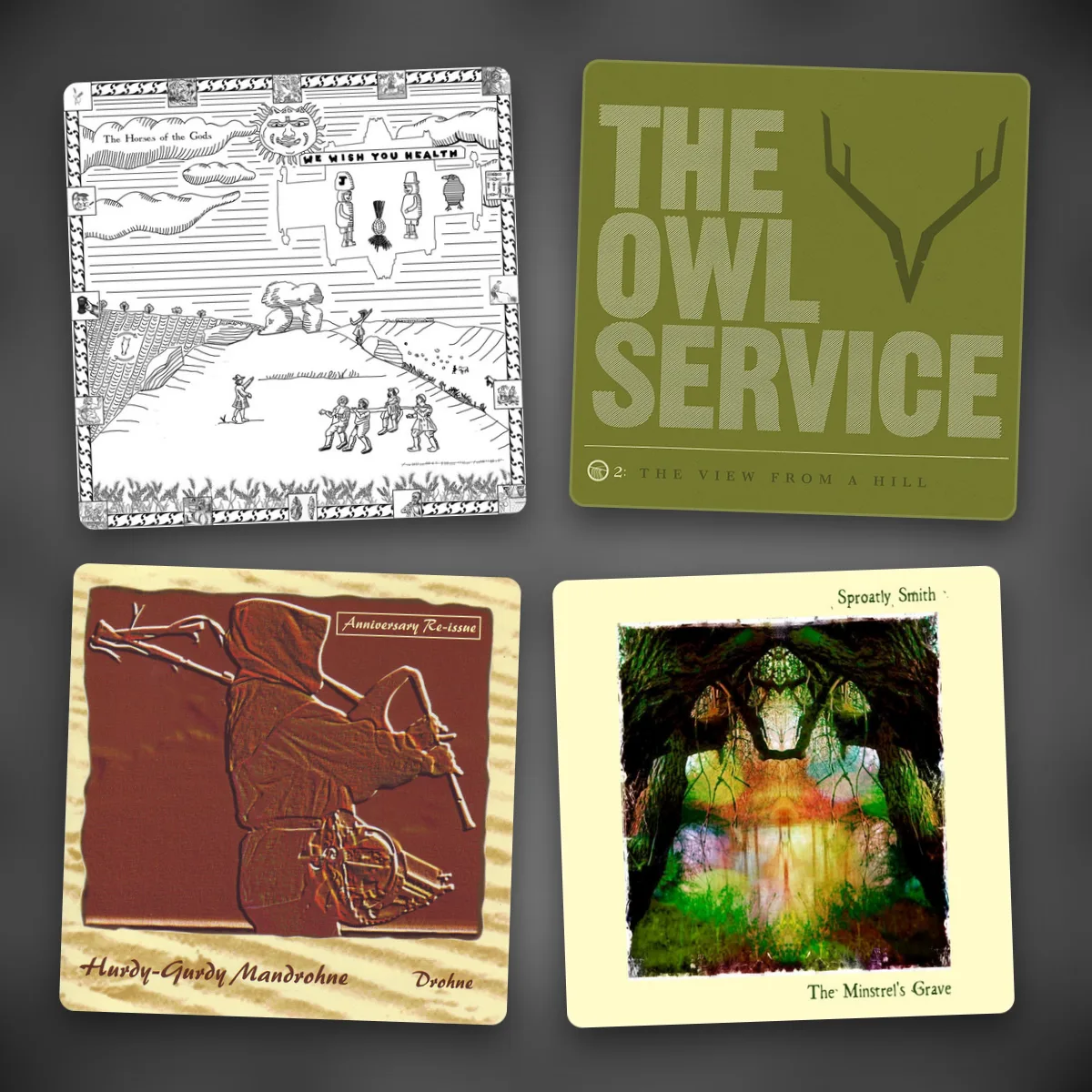
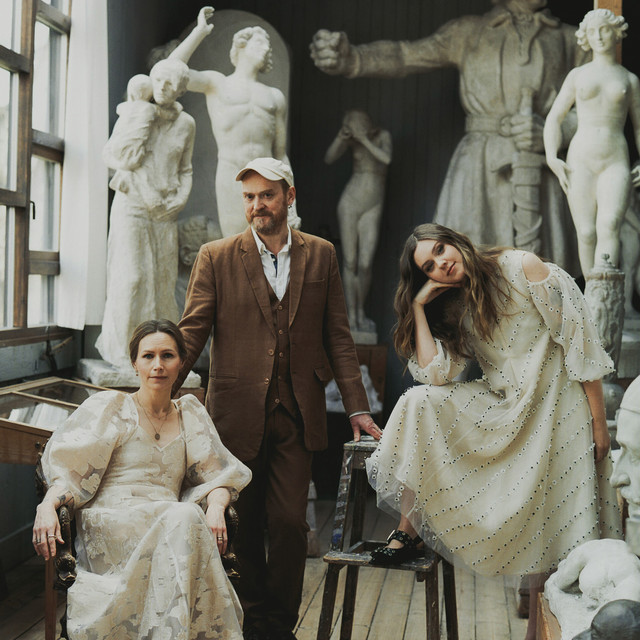
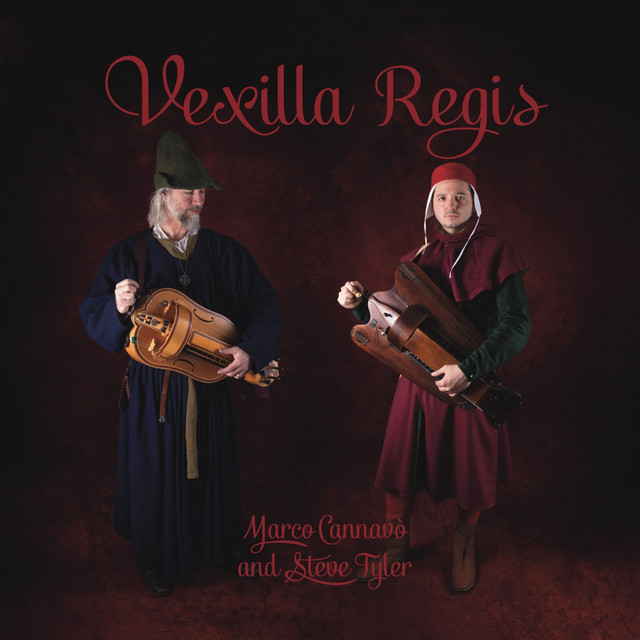
Top albums







Best playlists
Deep Neofolk
Melodigging
The Sound of Deep Neofolk
Every Noise at Once
Deep Neofolk
Chosic
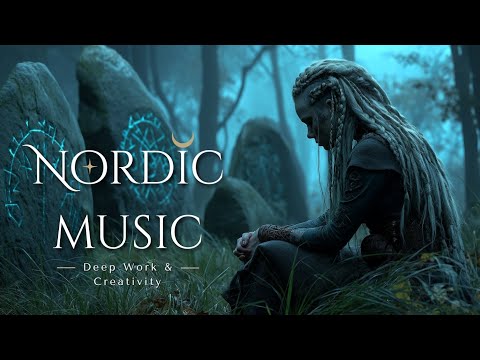
Nordic Folk & Viking Music | Atmospheric Scandinavian Sounds for Study, Deep Work and Creativity
Nordic Myth Sounds

Legacy of the North - Rahex | Dark Nordic Folk | Cinematic Viking Music
Rahex
Influenced by