Description
Deep progressive house blends the warmth and intimacy of deep house with the extended development of progressive house. Its steady grooves, warm bass and melodic atmosphere create an unhurried but focused dance-floor sound.
Rather than relying on abrupt drops, tracks tend to sustain a mood through gradual builds, recurring motifs and changing layers. The term describes a musical character within melodic electronic music more than a strictly defined genre.
Based on: valodja.com, wemakedancemusic.com, productionacademy.dowdenmusic.com
More on: Every Noise at Once
History
Roots
Deep house and progressive house began crossing paths in clubs and on radio from the 1990s through the 2010s. Their overlap brought together deep house’s intimate bass and swing with progressive house’s extended, narrative approach to arrangement.
A shared middle ground
During the 2000s and 2010s, DJs and labels explored the space between the two styles, particularly as melodic deep house became more popular. Deep progressive house came to describe tracks that emphasize a continuous flow and evolving atmosphere rather than quick hooks or large drops.
Establish the groove
Begin with a steady house groove and a warm bass part that gives the track an intimate, grounded feel. A tempo around 118–120 BPM is one documented approach. Leave enough space in the rhythm for subtle changes in percussion to become noticeable over time.
Build the melodic palette
Develop a memorable motif and support it with evolving pads. You could layer contrasting synthesizer sounds, using a brassy bass, emotive pads, percussion hits and a string lead to create a rich texture. Let the parts contribute to one sustained atmosphere rather than competing for attention.
Arrange gradually
Use long builds and introduce transitions through new layers, filtered motifs or small percussion changes instead of sudden drops. An extended arrangement of roughly 6–9 minutes is one approach: give the central motif time to recur and change while the groove continues to carry the track.

My top 3 production secrets 🤫
James Hype

20+ Progressive House Bass Patterns & Tricks that CHANGED my Life
Dowden Production Academy

How to make MODERN PROGRESSIVE HOUSE 😍
Wildcrow

Making REAL deep progressive house - Start to Finish in 2 Hours + Project File
Bound to Divide

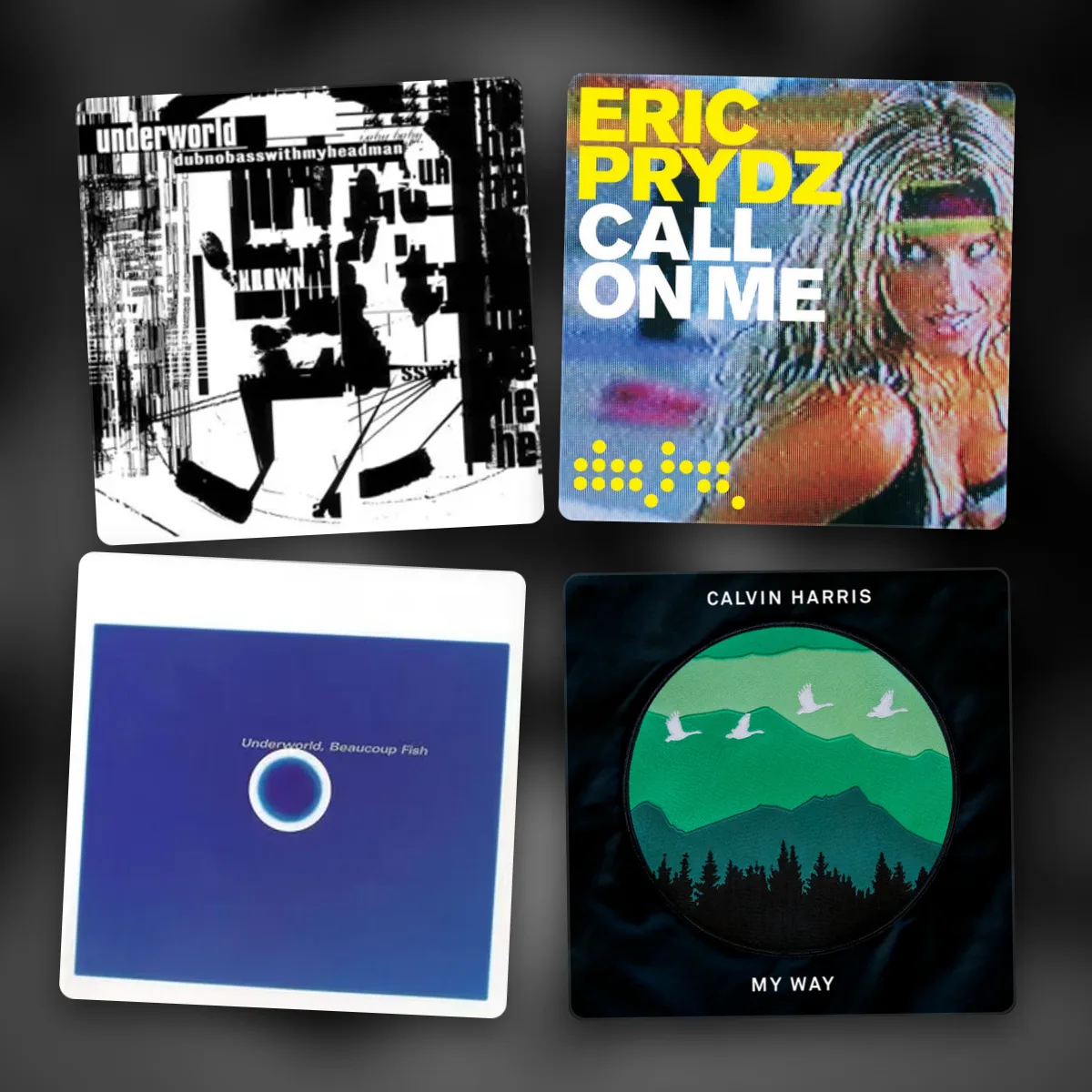
Top albums







Best playlists


Influenced by

Other similar genres
Genres sharing the most artists with Deep Progressive House