Description
Deep soul house moves on electronic drums, deep bass and looping chords, with a club groove that is often both warm and propulsive. Every Noise at Once maps the name and Spotify has a playlist under it, though published descriptions are scarce. Most tracks ride a steady house kick with claps or snares and crisp, off-beat hi-hats; some favor a more syncopated, skipping rhythm.
The sound ranges from four-on-the-floor house to choppier two-step grooves. Basslines can be weighty and submerged or lively and funky, while piano, electric piano and filtered synth chords give the loops a jazzy or wistful color. Some tracks bring in rhythmic guitar and brass stabs. Vocals, often in English, tend to be sampled and repeated: a soulful phrase might become a hook, or a chopped voice might serve as another rhythmic accent. Filter sweeps and punchy compression shape the production, sometimes accompanied by the crackle and hiss of a lo-fi recording.
The music sits close to jazz house, disco house and funky house, drawing on jazz-flavored chords and the looping, danceable energy of funk and disco. Its mood can be euphoric and uplifting, but there is also room for a more nostalgic or gently melancholic atmosphere. Many releases in the playlist date from the early 2010s; titles such as “Talking About Love” and “Love & Soulsaving” suggest an affectionate, soulful side to the repertoire.
Based on: Every Noise at Once, Spotify's genre tags and playlist
Build the groove
Start with a steady house kick, claps or snares, and off-beat hi-hats. Give the bass plenty of weight, using either a deep synth tone or a more mobile, funky line. For a choppier alternative, experiment with a syncopated two-step pattern and skipping percussion.
Add harmony and samples
Take cues from jazz house: loop minor-key piano or electric-piano chords, adding extensions for a wistful color. For the brighter movement of disco house or funky house, try a short rhythmic guitar or brass sample against an active bassline. A sustained synth pad can fill out the background.
Shape the arrangement
Chop a soulful vocal phrase into a recurring hook or use brief fragments as rhythmic accents. Introduce and remove layers over the groove, sweeping filters across chords or vocals. Use compression to keep the drums and low end punchy; a touch of crackle or hiss can give the mix a worn texture.

How to make South African Deep House soulful chords FL Studio (Free FLP and Sound Packs)
DJ Odyccy

How to make soulful deep house in FL Studio #musicproducer #Tutorial
DJ Odyccy

Making Deep House Soulful Chords Easy
DJ Odyccy

238.Simple Soulful Deep House Tips 6 | Chords & Arrangement in FL Studio | 🔴Live
BusyExplore

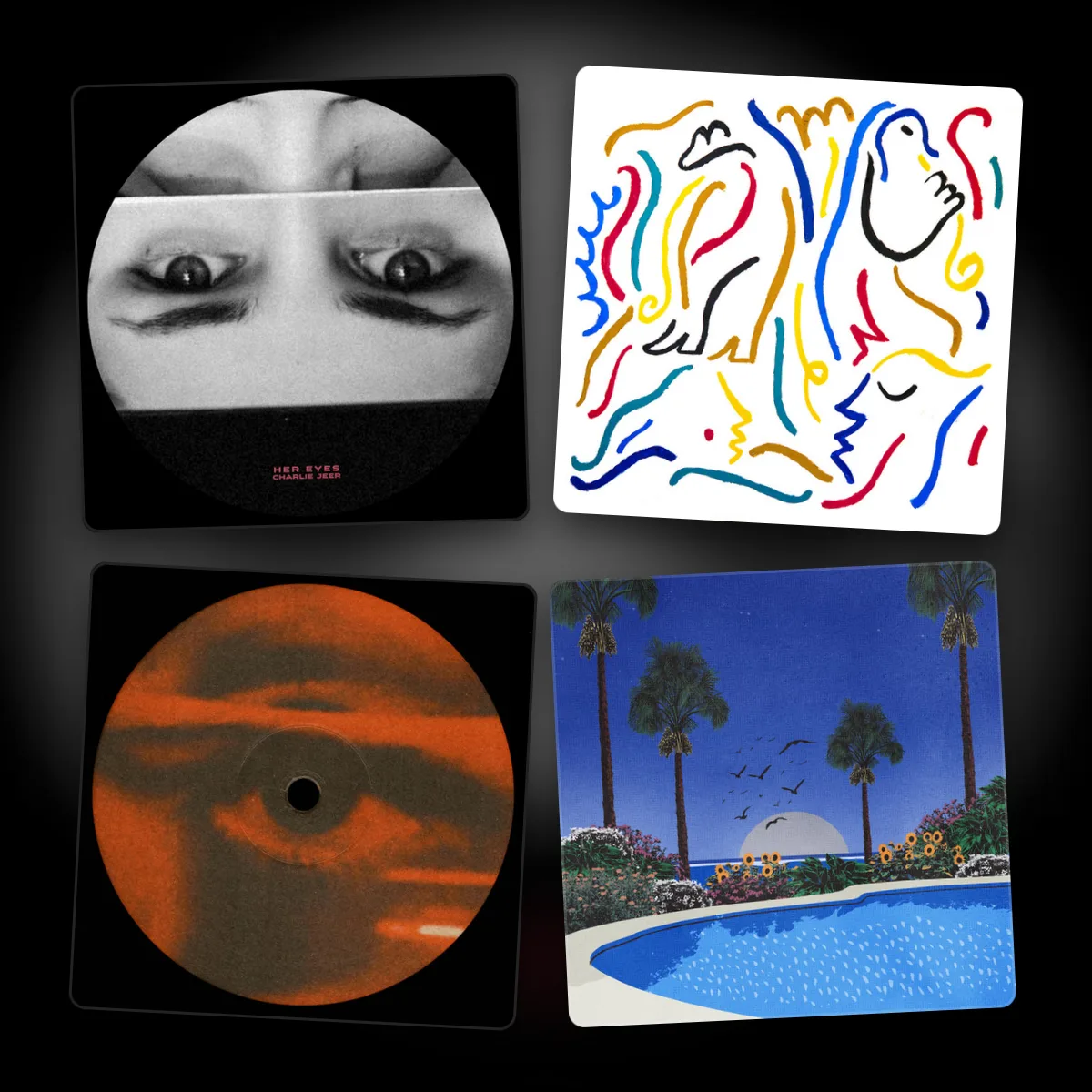
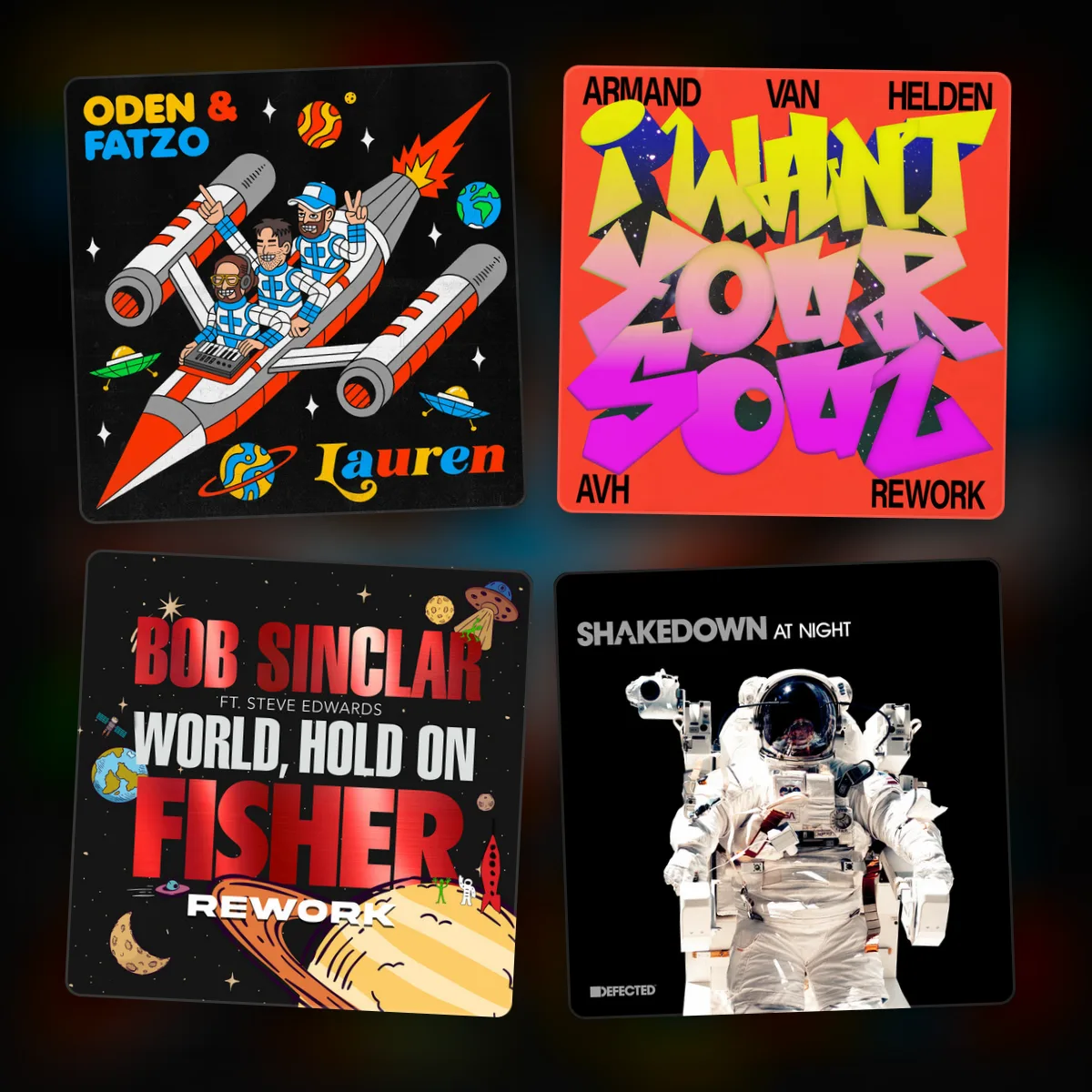
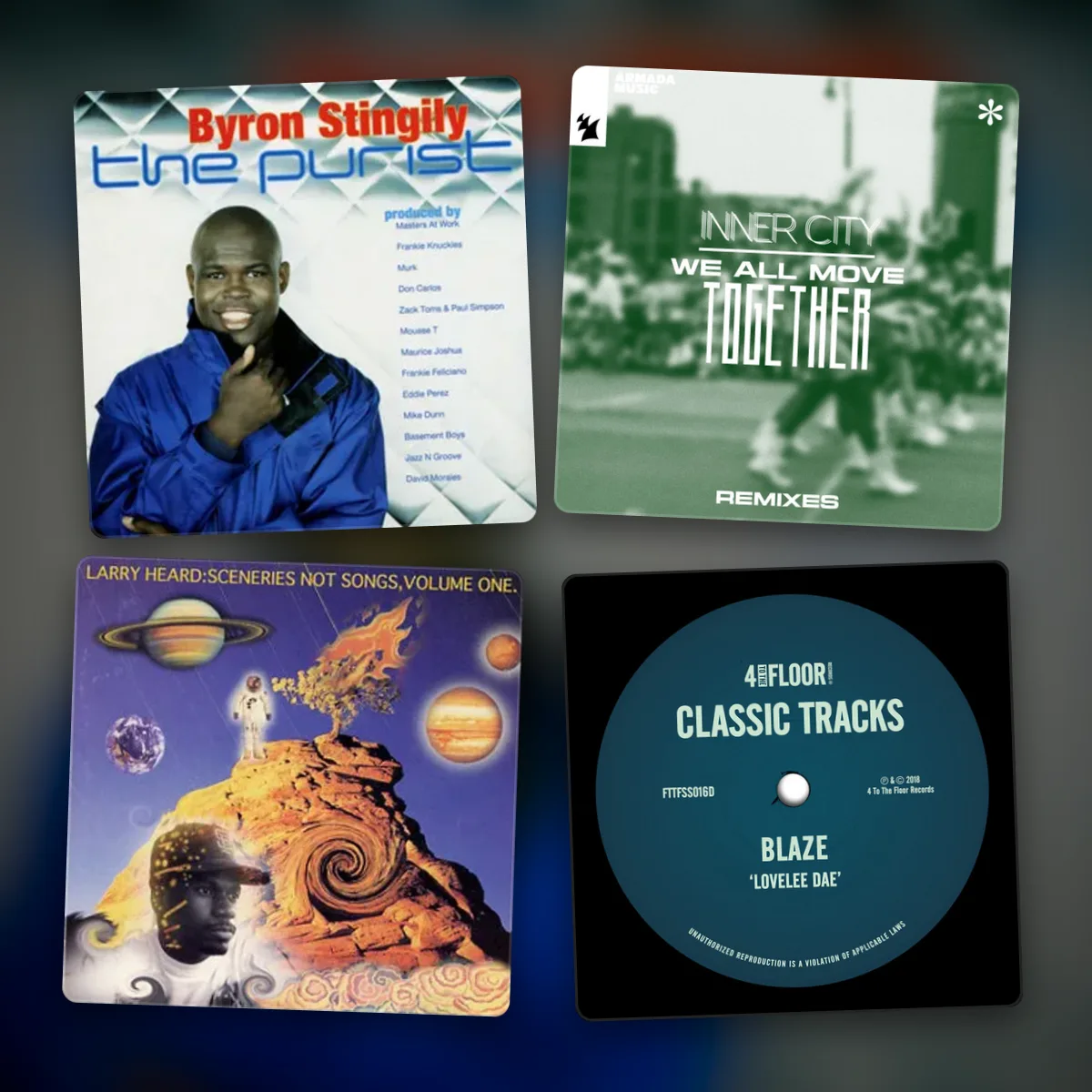
Top albums








Best playlists
Deep Soul House
Melodigging

The Sound of Deep Soul House
Every Noise at Once
Deep Soul House
Chosic

Best of Deep Soul House
volt.fm

South African Soulful Deep House Mix | LOVE DEDICATION Vol.9
CHILL GANG
Influenced by
Other similar genres
Genres sharing the most artists with Deep Soul House