


Description
Deep southern soul centers on expressive English-language singing and a steady, often mid-tempo groove. The name comes from Spotify’s Every Noise at Once map and The Sounds of Spotify playlist, while published description of the style is scarce. Its singers often sound gritty and impassioned, stretching notes into belts or wide vibrato, with harmonized backing voices adding weight to the lead.
Electric bass and drums lock into a syncopated pulse, while rhythm guitar supplies clipped chords and bluesy fills. Piano and organ add warmth; brass accents and sweeping strings frequently broaden the arrangements. The production tends to be warm and spacious, with reverb around the voices and instruments. The emotional range runs from yearning and melancholy to urgent, danceable confidence.
The music is close to classic soul and northern soul, sharing their emphasis on compelling rhythms and forceful vocal delivery, with touches of blues and funk in the playing. Many song titles revolve around love, longing and troubled relationships, as in George Jackson’s “I Can’t Do Without You” and Quiet Elegance’s “You’ve Got My Mind Messed Up.”
Based on: Every Noise at Once, Spotify's genre tags and playlist
Build the groove
Start with a steady mid-tempo soul rhythm. Lock a syncopated electric bass line to the kick drum, put a firm snare backbeat underneath it, and keep the hi-hat active without crowding the vocal. Add clean electric-guitar chops or muted strums.
Shape the arrangement
Draw on soul and classic soul: use piano or organ for chordal warmth, then bring in horns for short accents and strings for sustained counter-melodies. Minor or gospel- and jazz-inflected chords can give a love song a more yearning character.
Put the voice forward
Write an expressive lead melody with room for held notes, vibrato and bluesy turns. Support key phrases with harmonized backing vocals. Keep the rhythm section and singer prominent in a warm studio mix, using reverb to give the arrangement depth.

Top albums
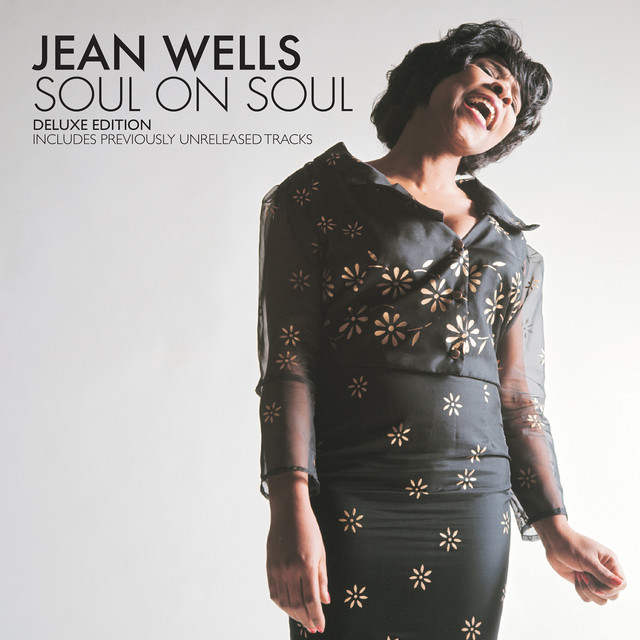
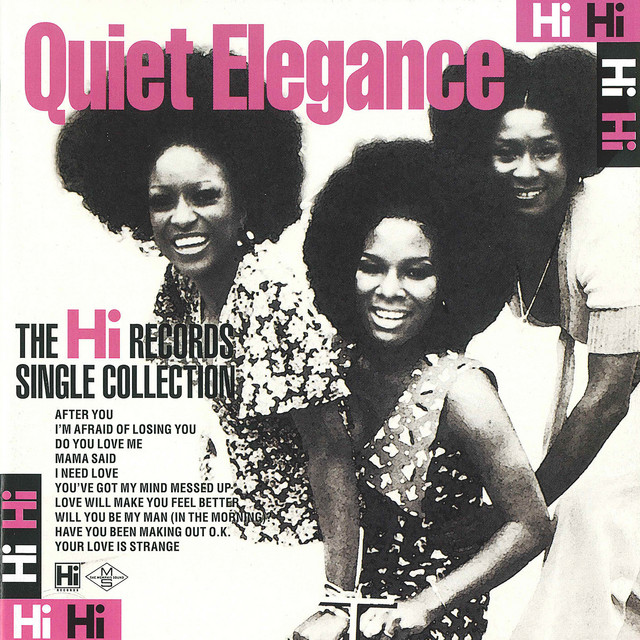
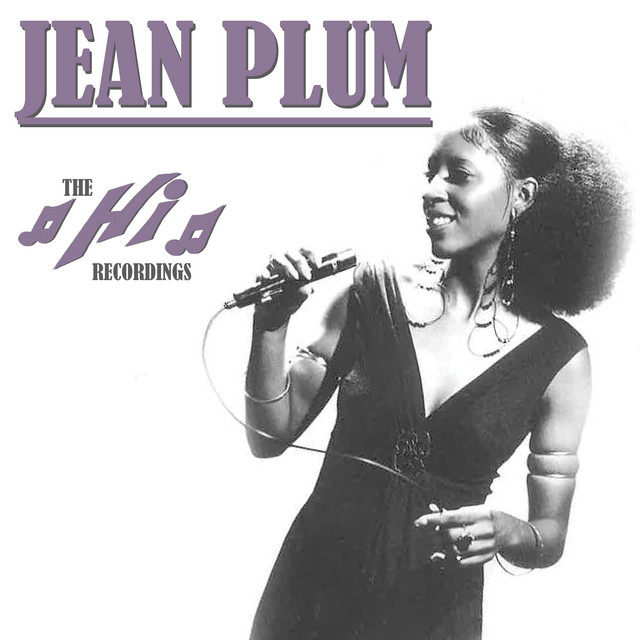

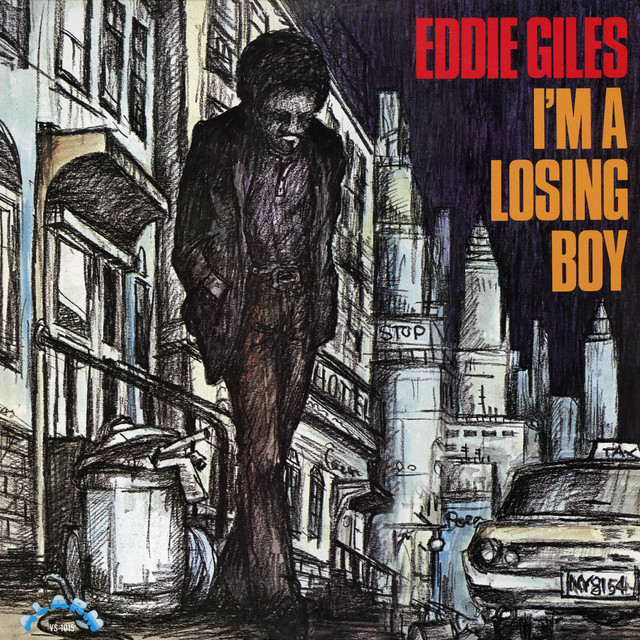



Best playlists


Other similar genres
Genres sharing the most artists with Deep Southern Soul

