Description
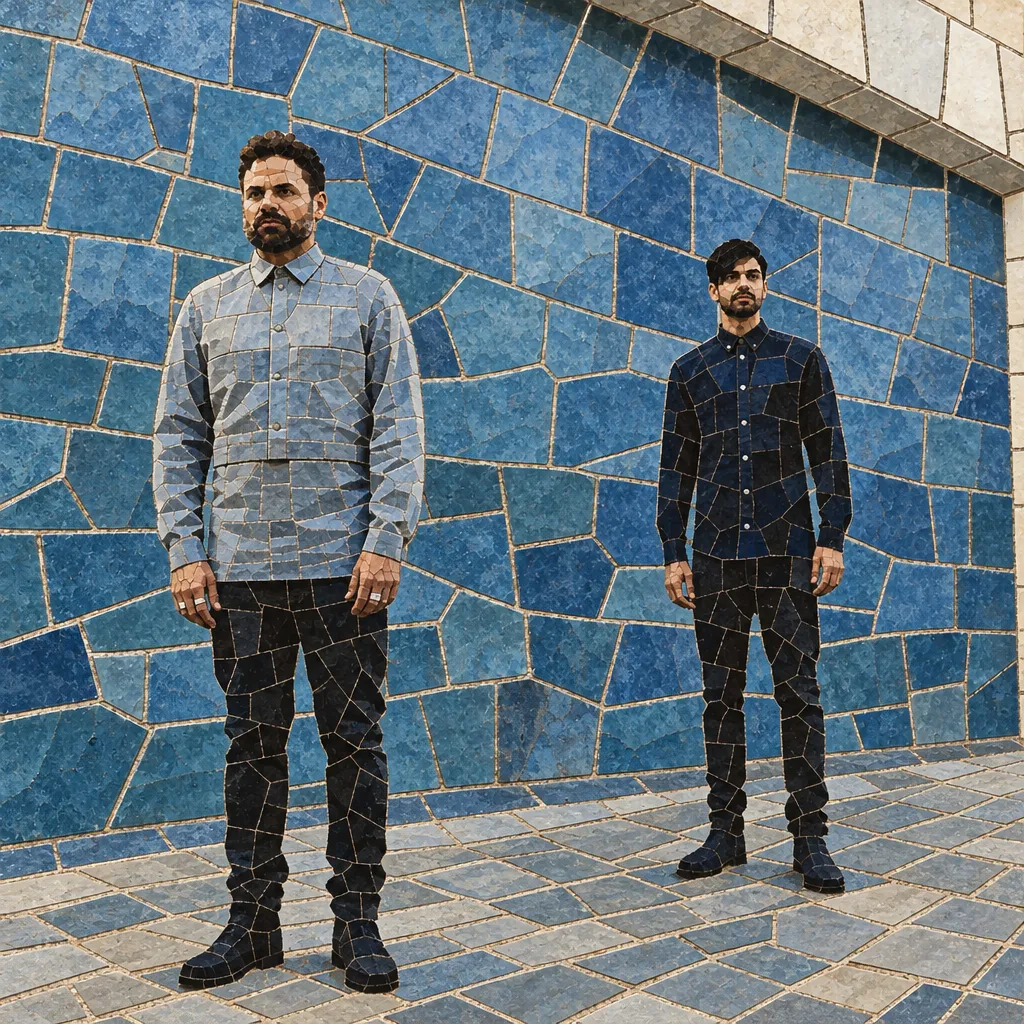
Deep techno is a broad approach to techno that emphasizes atmosphere, low-frequency detail and gradual changes in sound. Its tracks often combine a steady four-to-the-floor pulse and submerged bass with textured synthesizers, spacious effects and relatively little melodic change.
The sense of depth comes from the way layers, timbres and rhythms evolve over time rather than from a fixed tempo or mood. The music can be spare and dub-inflected, but it can also incorporate industrial textures, forceful bass and faster rhythms. Its sustained grooves and immersive arrangements overlap with dub techno, minimal techno, hypnotic techno and ambient electronic music.
Based on: blacksine.org, scientificsound.asia, 091records.com, hypnusrecords.com
More on: Discogs, MusicBrainz, Every Noise at Once, Wikidata

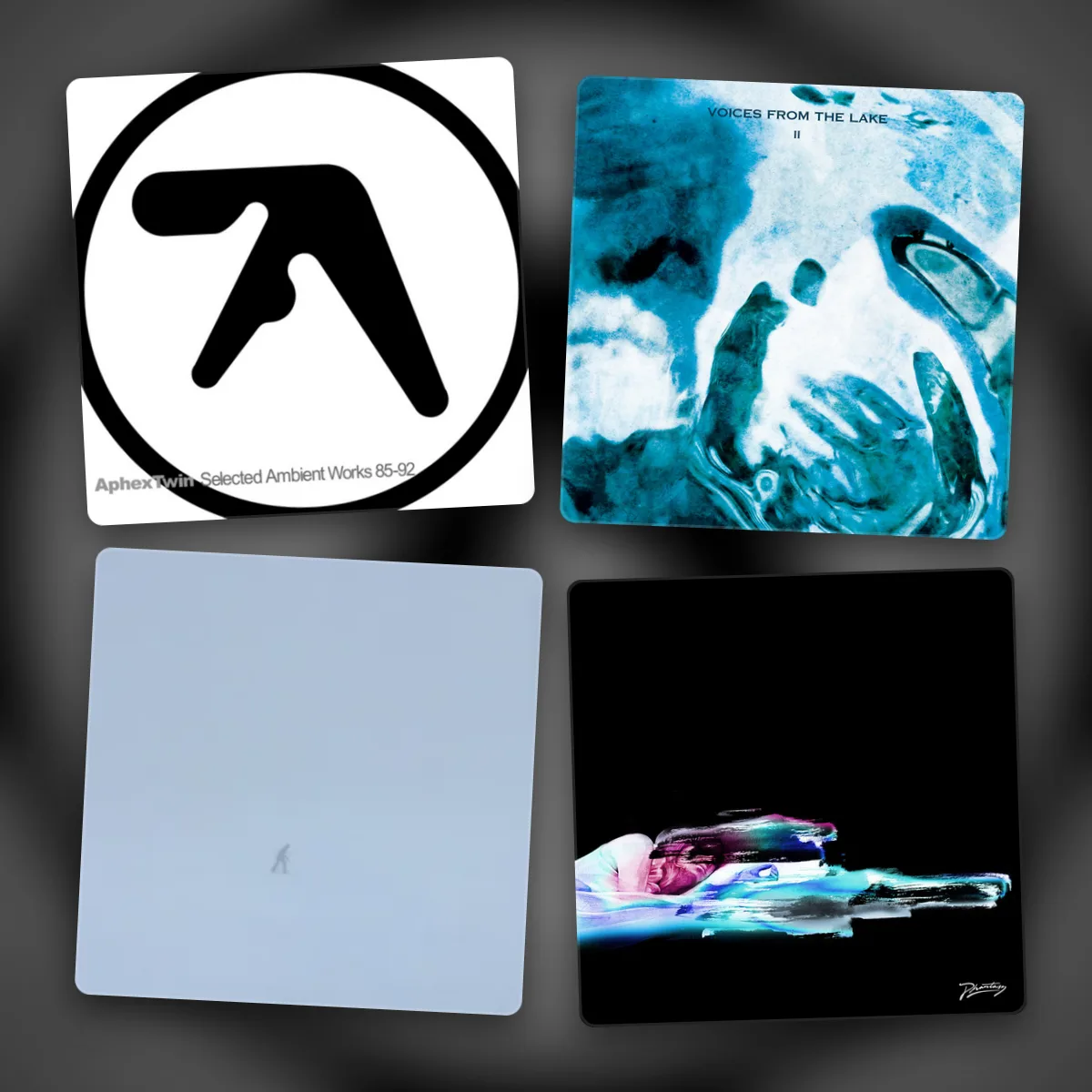
this is what deep ambient techno is supposed to feel like
lowkey ambient

Ranking techno subgenres
Realize

this is what deep ambient techno is supposed to feel like | PART II
lowkey ambient
History
Roots and formative influences
Deep techno developed from the atmospheric possibilities of Detroit techno. In Berlin, Basic Channel combined elements of Detroit techno with the resonant textures of Jamaican dub, contributing to the emerging emphasis on texture rather than conspicuous musical events.
During the 1990s, dub techno became an important influence through Berlin labels including Basic Channel and Chain Reaction. Echo, reverb, filtered chords and reduced percussion helped shape a spacious, restrained techno sound.
A broader contemporary sound
Deep techno expanded across a range of ambient, minimal, dub-influenced and hypnotic approaches. In the overlapping hypnotic techno scene, Rødhåd, Donato Dozzy and DVS1 have been identified as key figures in sustaining a focus on atmosphere and continuous groove. Hypnus is among the labels associated with modern deep techno.
Establish the groove
Begin with a steady four-to-the-floor drum pattern and a deep bassline. Keep the rhythm repetitive enough to sustain a groove, but introduce subtle changes in percussion and low-frequency detail as the track develops.
Build depth through texture
Layer textured synthesizers around the rhythm, leaving space between elements. Try filtered chords, echo and reverb for a dub-influenced sound; adjust their tone and effects gradually rather than relying on frequent melodic changes. A more industrial direction could use harder-edged textures while retaining the same attention to depth and atmosphere.
Develop the arrangement
Let the track progress through small shifts in rhythm, effects and timbre. Bring layers forward or move them into the background to create a sense of motion without disrupting the pulse. As a practical approach drawn from minimal techno, you could work with a limited set of sounds and make their interactions carry the arrangement.

🌀 Hypnotic Techno Bass trick #abletontutorial #technoproducer #technotips
Audioreakt

5-minute Hypnotic Techno Formula (Ableton Tutorial)
Myshko Music

Luigi Tozzi Style - Deep Techno Tutorial [+Free Project File]
GRAPH

Top Deep Techno tracks
- Listen to Don't Watch TV by Victor RuizDon't Watch TVVictor Ruiz · Don't Watch TV, 2026
- Listen to Della Riva by Leo PortelaDella RivaLeo Portela · Della Riva, 2025
- Listen to Dreamcast by Mind AgainstDreamcastMind Against · Dreamcast, 2022
- Listen to Synesthesia by TranscodeSynesthesiaTranscode · Synesthesia, 2022
- Listen to Boavista by Stephan BodzinBoavistaStephan Bodzin · Boavista, 2021
- Listen to The Red Room by Woo YorkThe Red RoomWoo York · The Red Room, 2025
- Listen to Sonic Illusion by Peer KusivSonic IllusionPeer Kusiv · Sonic Illusion, 2024
- Listen to Movement of Whale by SevenDoorsMovement of WhaleSevenDoors · Four to the Floor 05, 2015
- Listen to Ens Lucis by ReconditeEns LucisRecondite · Ens Lucis, 2025
- Listen to Maera by Julian WassermannMaeraJulian Wassermann · Maera, 2024








Top albums









Best playlists



Influenced by


Other similar genres
Genres sharing the most artists with Deep Techno