

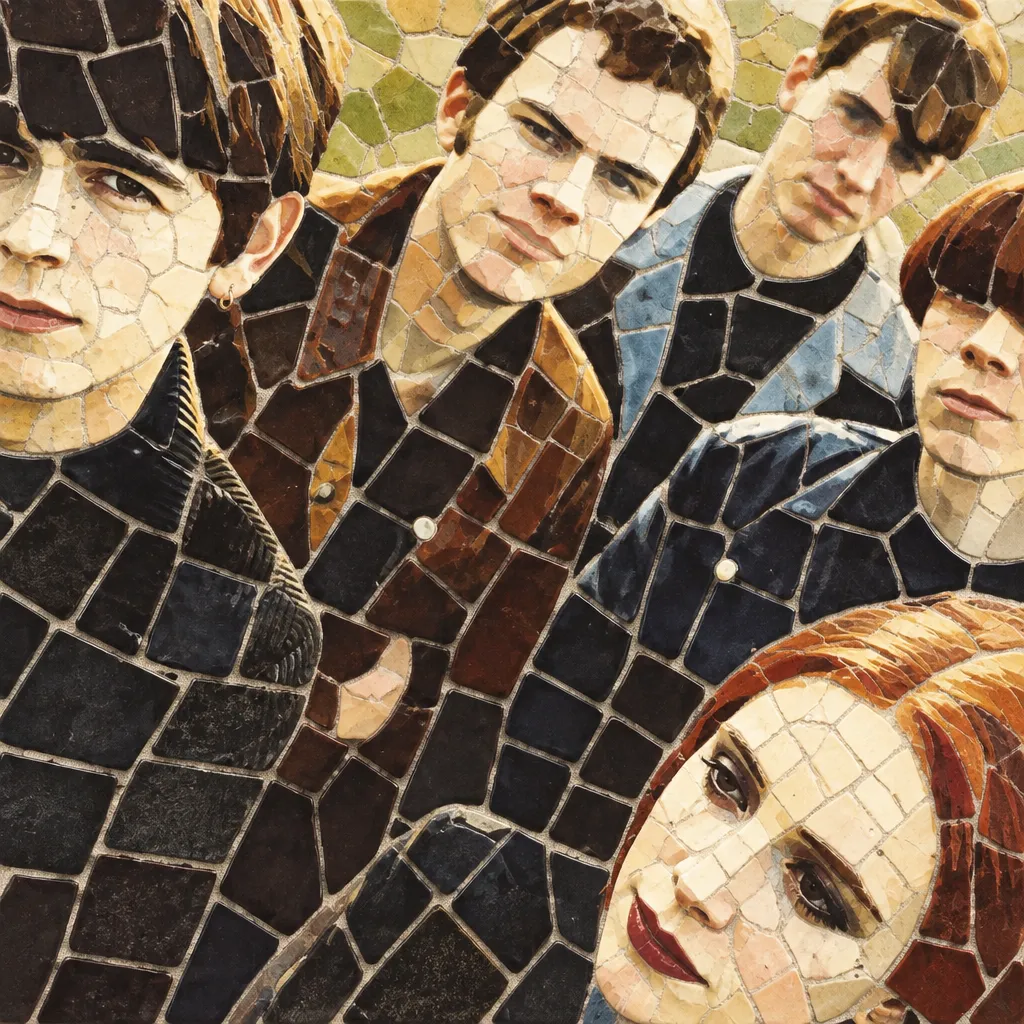
Description
Dreamgaze builds wide, enveloping guitar sound around steady rock drums and driving bass. The name comes from Every Noise at Once, Spotify genre labels and the playlist “The Sound of Dreamgaze”, with scant writing devoted to it. Distorted rhythm guitars merge with high, reverberant melodies, while cymbals spread across the mix and synthesizer pads sometimes add to the haze.
The music sits close to shoegaze and dream pop: fuzz, delay and reverb turn guitars into dense washes, and soft, breathy voices often feel embedded within them rather than placed upfront. Singing is frequently in English, though some tracks are instrumental. Repeating chords and long melodic lines give the songs a flowing quality, whether the beat feels slow and heavy or fast and driving. The mood can be melancholic and yearning, but also expansive and uplifting.
Much of the playlist dates from the 2010s. Tracks such as Airiel’s “In Your Room”, Pia Fraus’s “Moon Like a Pearl” and The Daysleepers’ “Flood in Heaven” offer places to begin.
Based on: Every Noise at Once, Spotify's genre tags and playlist

Top 5 Greatest Shoegaze Songs of All Time
Shoegaze TV

DREAM GAZERS, The Story of Dream Pop
PM ART
Build the foundation
Start with a steady rock drum beat, giving the kick and snare a clear backbeat and letting cymbals provide a continuous shimmer. Lock the bass to repeating guitar rhythms; the groove can feel slow and weighty or more urgently driving.
Layer the guitars
Draw on shoegaze and dream pop by stacking distorted rhythm guitars beneath higher melodic lines. Use fuzz, reverb and delay to blur the layers into a broad wash, while keeping the drums punchy enough to anchor it. A soft synthesizer pad can fill out the background.
Write melody and voice
Repeat a simple chord progression and shape long, flowing melodies over it. Try a soft, high-register vocal with generous reverb, blended into the instruments rather than isolated at the front. Layered harmonies can add depth, or leave the track instrumental and let the lead guitar carry the melody.

6 Essential Shoegaze Chords For Beginners
Trevor Wong

How to play Shoegaze? #guitar #shoegaze #chords
Roman Guitarist

Craft a dreamy anthem while in bed 🛏️👀
BandLab

The GENIUS Behind Shoegaze Production (How to Make Shoegaze Beats)
Shadow! ♡

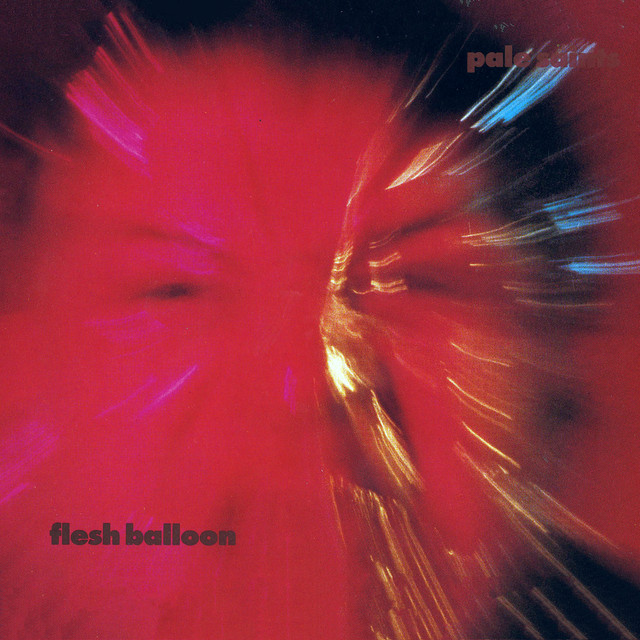
Top albums








Best playlists



Influenced by
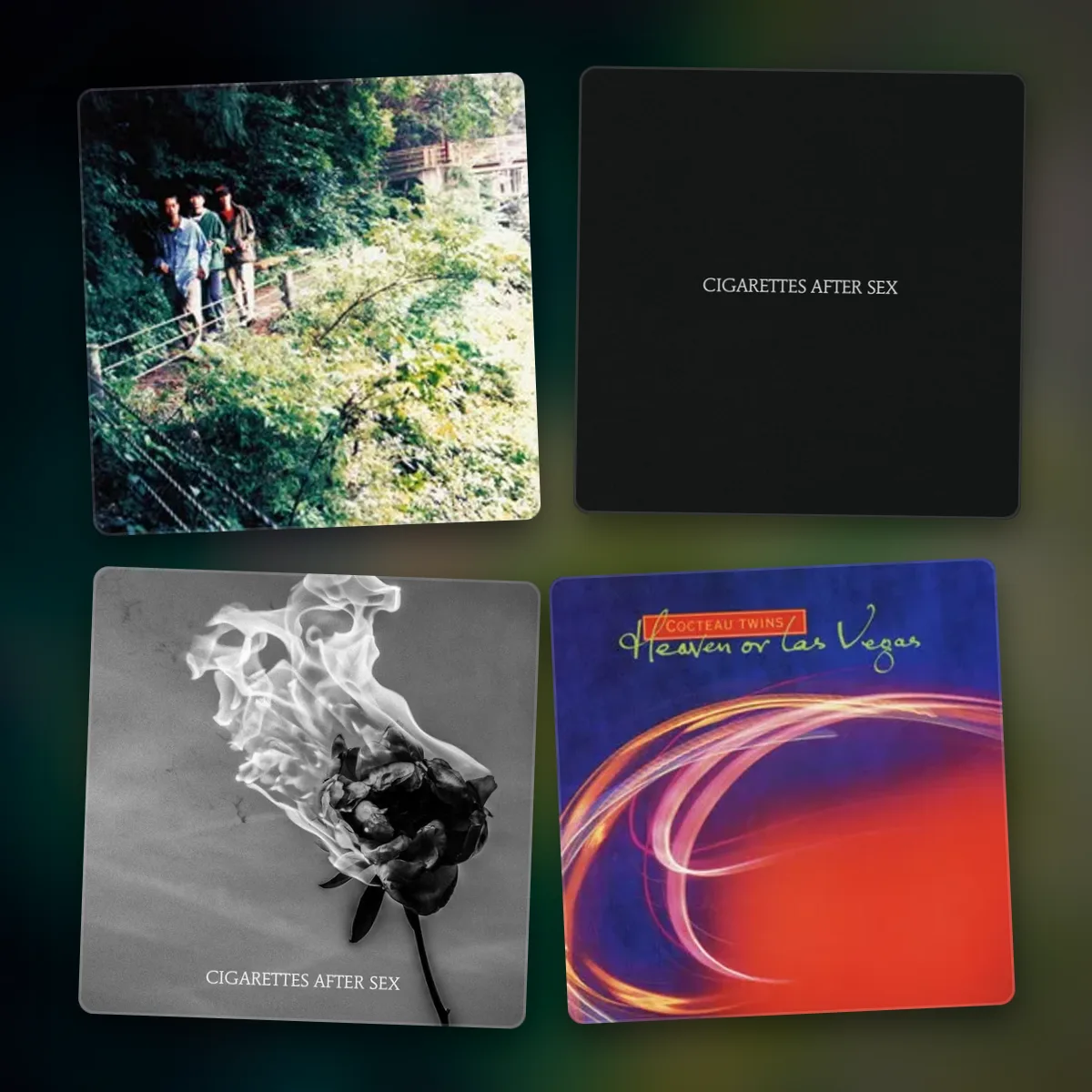

Other similar genres
Genres sharing the most artists with Dreamgaze

