Description
Sweeping strings, booming drums and dramatic choirs give epicore much of its force, while quieter pieces turn toward piano and mournful melodies. The term comes from Every Noise at Once and Spotify’s playlist The Sound of Epicore, with scant published discussion of the music.
Many tracks build a fast, driving pulse from repeated string and synthesizer patterns, heavy percussion and brass. Choirs add forceful chants or wordless vowels, while deep electronic bass and rising effects amplify the impact. The sound is often dense and reverberant, with sharp contrasts between hushed passages and full orchestral climaxes.
Slower pieces favor spacious piano chords or arpeggios, sustained strings and atmospheric pads, sometimes with little percussion. Minor-key harmony lends both approaches a dramatic, often melancholy cast. The music sits close to orchestral music, combining its string, brass and choral colors with electronic textures and expansive production.
Titles such as “Angels Will Rise,” “The Hero Within” and “Scars of War” suggest heroic, fantastical and conflict-filled imagery. Much of the playlist’s music was released in the mid-to-late 2010s.
Based on: Every Noise at Once, Spotify's genre tags and playlist

what is “epicore”? #music
blustre
Orchestral foundation
Start with a minor-key chord progression and build an orchestral arrangement around strings and brass. For a driving piece, repeat short, fast string figures beneath a broad melody; for a slower one, use simple piano chords or rolling arpeggios with sustained string lines.
Weight and voices
Add booming low drums and metallic impacts to the more urgent passages. Layer a choir singing wordless vowels or chant-like syllables above the orchestra. For a quieter piece, leave more space and use percussion sparingly.
Electronic color and dynamics
Blend synth pads or deep sub-bass with the acoustic textures. Use wide stereo placement and generous hall reverb, then shape the arrangement around contrasts between sparse, reflective sections and dense, powerful climaxes.

The Secret to making EPIC CINEMATIC DRUMS! 💪
Goldomusic

Composer’s Secret For Layering Epic Drums #shorts
Modern Media Composer

Pepp Groovebox by Epicore, Demo and Tutorial for iPad
The Sound Test Room

DrumOrama Demo and Tutorial for iPad
The Sound Test Room

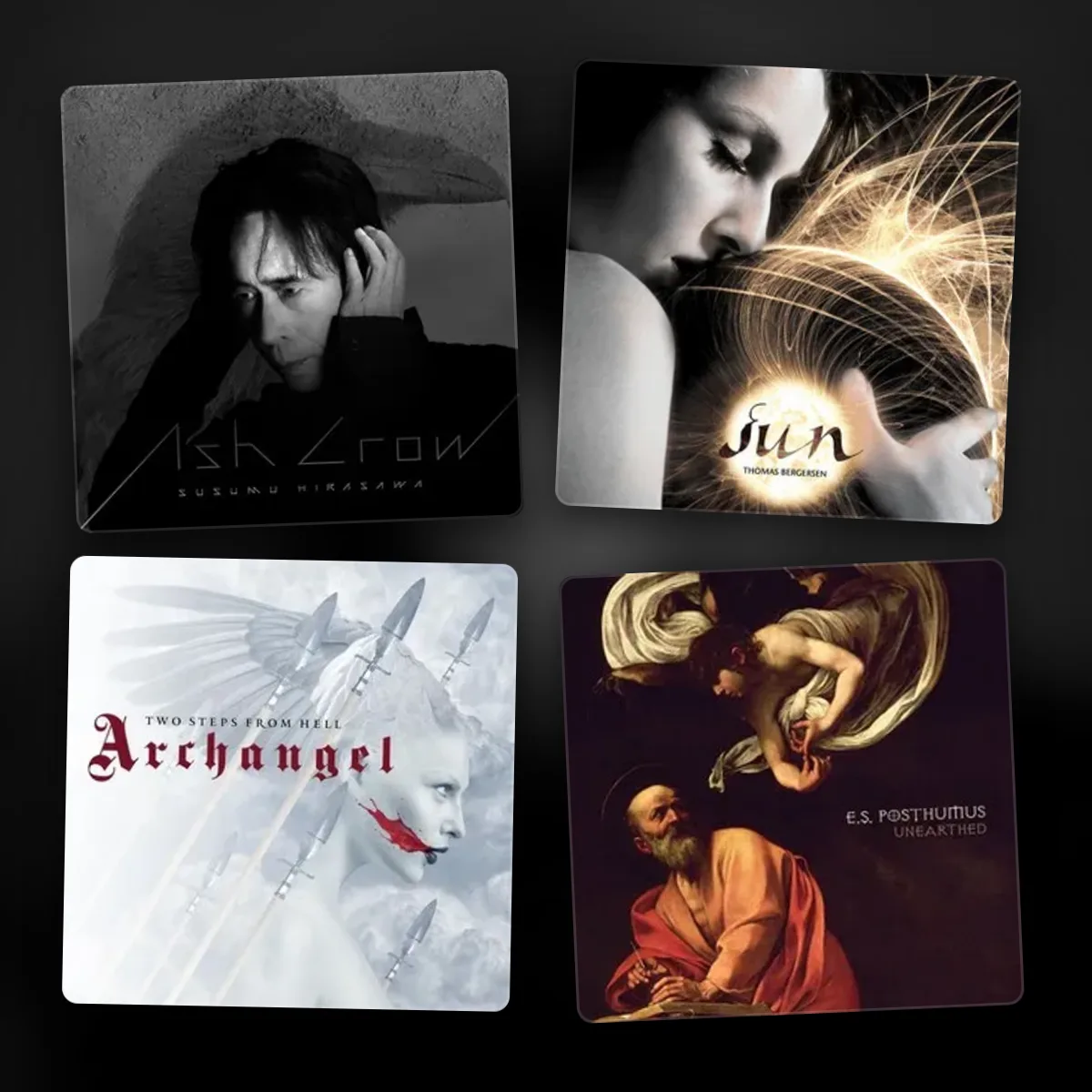
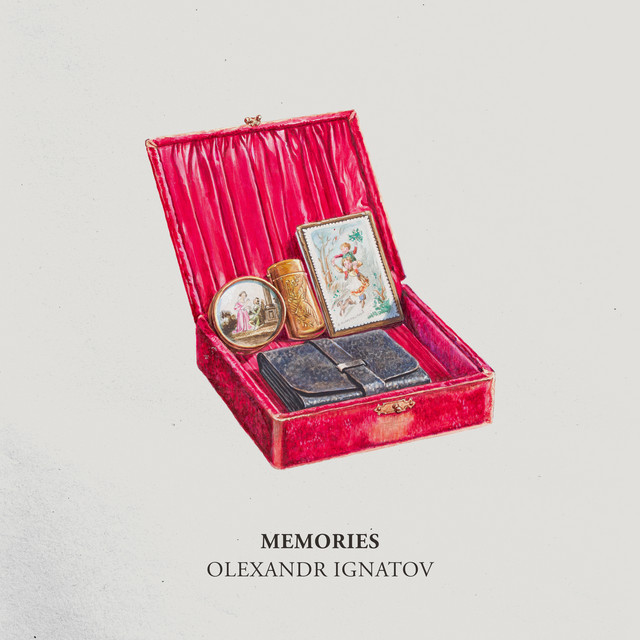
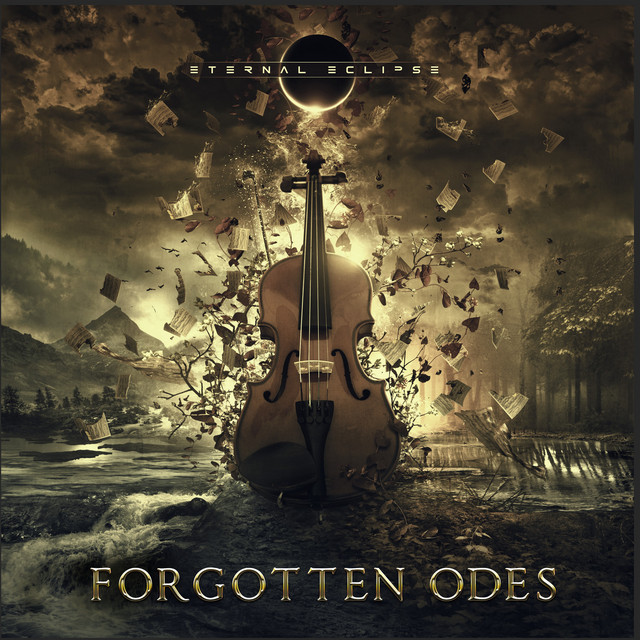
Top albums



Best playlists


Influenced by
Other similar genres
Genres sharing the most artists with Epicore