


Description
Acoustic voices, drums and wind instruments carry music ranging from group chants and call-and-response songs to ceremonial performances and marching-band music. Every Noise at Once and Spotify’s “The Sound of Ethnomusicology” use the name, but offer little explanation of it.
Group singing is a recurring feature: a lead voice may call out to a chorus, or singers may chant together. Hand drums, shakers and clapping give some performances a lively, syncopated drive, while others move at a slower, more deliberate pace. Wind instruments are prominent in some pieces, and melodies may unfold without chordal accompaniment. The recordings often retain the natural sound of a room or outdoor space, with an immediate, unpolished quality rather than prominent studio effects.
The repertoire brings together distinct folk and traditional musics in many languages. Titles point to songs for dancing, gathering, hunting, worship and healing, as well as instrumental performances. The mood can be communal and celebratory or solemn and ceremonial.
Based on: Every Noise at Once, Spotify's genre tags and playlist
Voices and rhythm
Build a piece around a group chorus, either singing together or answering a lead voice. Try a repeated vocal phrase with hand drums, shakers or claps; a steady, deliberate pulse can work as well as a faster, syncopated pattern.
Melody and setting
Give wind instruments or unaccompanied voices room to carry a melody without relying on chord changes. Japanese classical music is one possible reference for a wind-led approach, while the group singing and percussion point toward other traditional practices.
Recording
Record acoustic performers together in a naturally resonant room or outdoors. Keep the performance direct, allowing the character of the space and variations in the group’s dynamics to remain audible.

Top albums



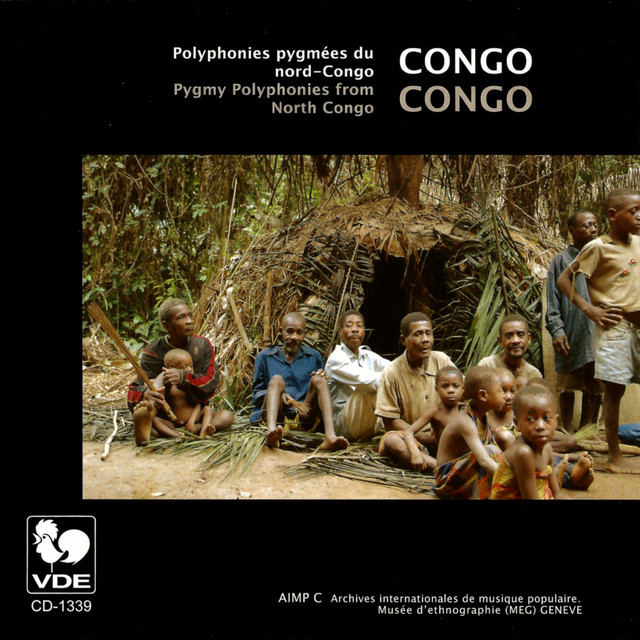


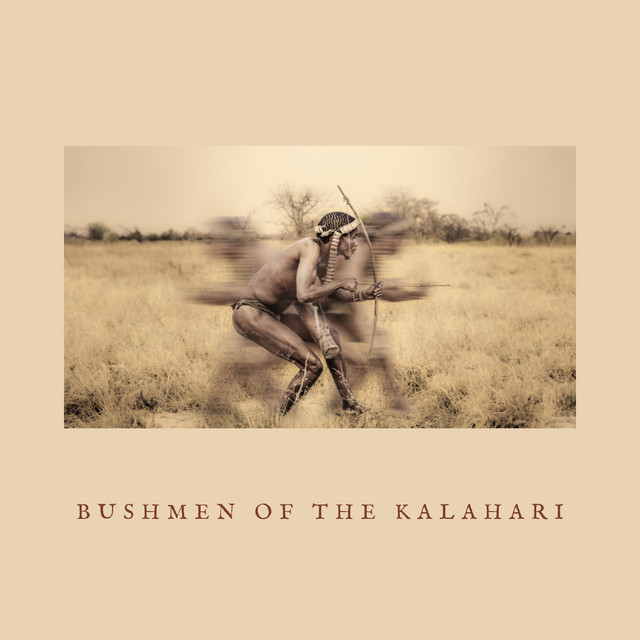

Best playlists


Other similar genres
Genres sharing the most artists with Ethnomusicology


