


Description
Experimental black metal tends toward dense, dark and aggressive music built from distorted guitars, bass and forceful drums. The term is mapped by Every Noise at Once and used for a Spotify playlist, though published discussion is scarce. Fast, driving passages can give way to slower, crushing grooves, while harsh screams and shouts cut through the distortion.
The music ranges from black metal’s rapid riffs and blast beats to heavier rock-oriented passages and electronically colored textures. Dissonant minor-key riffs, crashing cymbals and double-kick drums contribute to its intensity; keyboards and synthesizers sometimes add atmospheric or melodic layers. Recordings can sound raw and abrasive, or use reverb and dense production to create a broader wall of sound. Some pieces are instrumental, while others combine extreme vocals with more melodic singing.
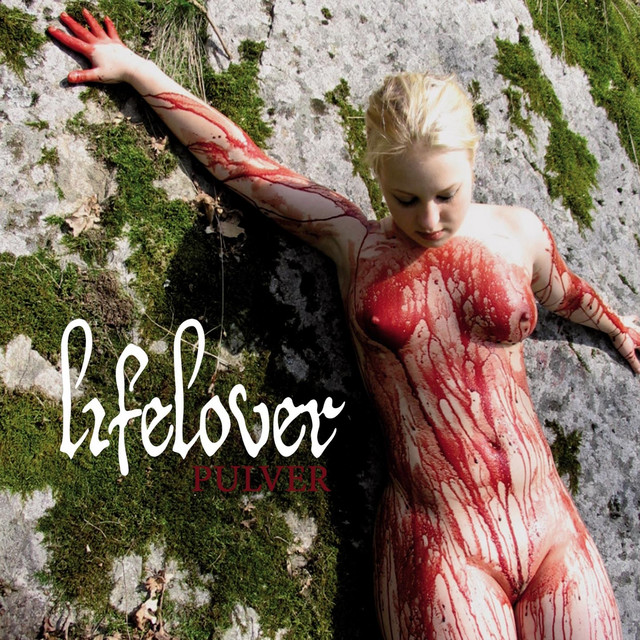
Artists associated with the style include Manes, Furia, Liturgy and Nachtmystium. Releases in the playlist are mostly from the 2010s, and its titles range across languages including English, Polish and Czech. Images of witches, serpents and darkness recur among them.
Based on: Every Noise at Once, Spotify's genre tags and playlist

Weird and Unsettling Black Metal
Farvann
Build the core
Start with the distorted guitars, bass and drums associated with black metal. Use minor-key riffs, dissonant intervals and tremolo picking, then drive the faster sections with blast beats, double-kick patterns and crashing cymbals. Contrast them with a slower, heavy groove.
Add texture and voice
Try screamed or shouted vocals, or leave a passage instrumental. Keyboards and synthesizers can add melodic or atmospheric layers; the combination of heavy guitars and electronic sounds also connects with industrial metal.
Shape the recording
Layer distortion into a dense wall of sound. Experiment with a raw, abrasive mix or a more expansive sound using reverb, and let changes in rhythm and texture provide contrast.

Top albums

Best playlists

Influenced by


Other similar genres
Genres sharing the most artists with Experimental Black Metal


