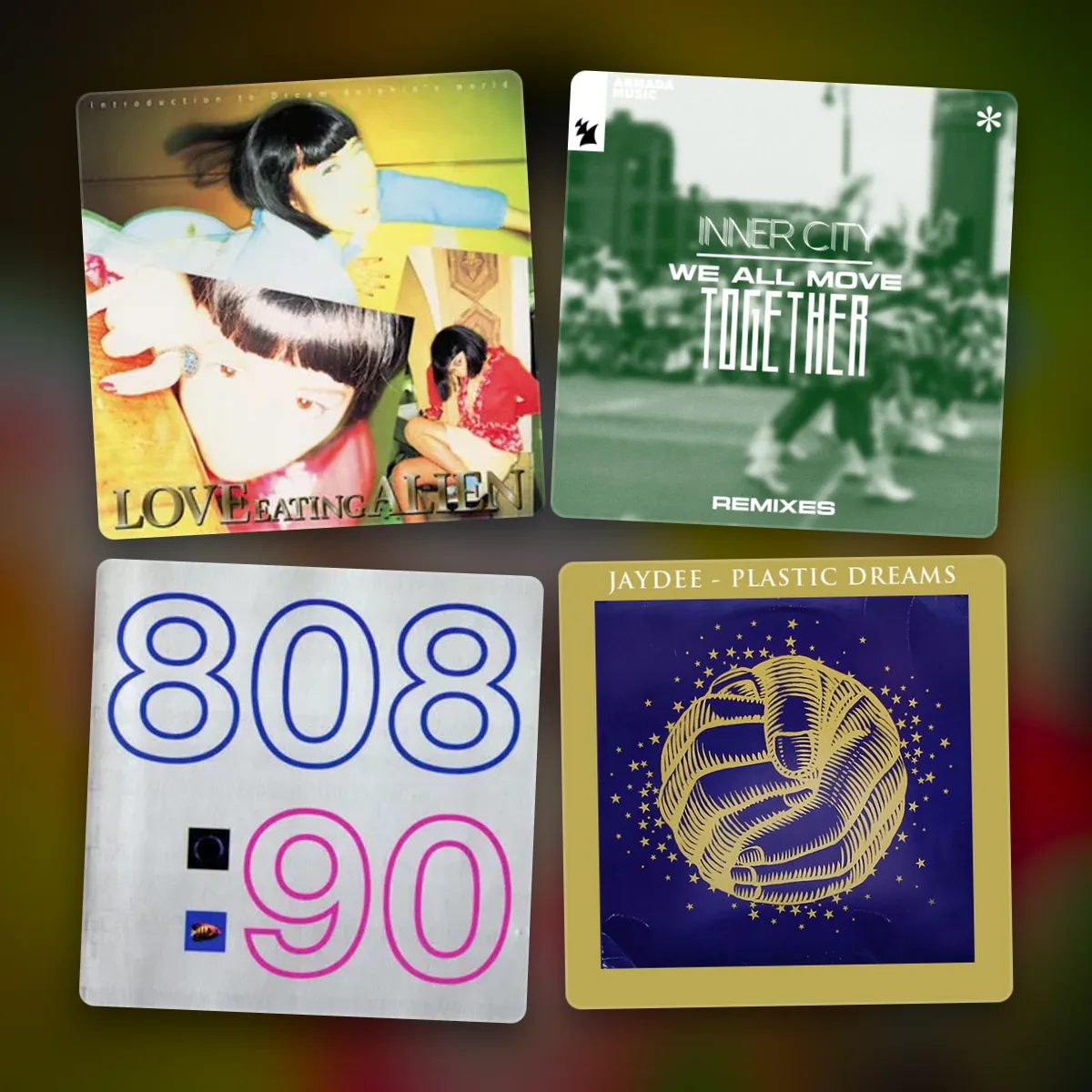
Description
Experimental house is an exploratory form of house music associated with the early Chicago scene. It favors unusual sounds and unconventional uses of electronic equipment, sometimes pursuing an intentionally strange or even seemingly unmusical effect.
Rather than treating house simply as a continuation of disco, this approach emphasizes experimentation and a break from disco’s polished sound. It is better understood as a range of adventurous production choices than as a single fixed sound.
Based on: timlawrence.info, pitchfork.com
More on: Every Noise at Once
History
Early Chicago experiments
Experimental approaches were present in Chicago house from its early years. Many of the records associated with this side of the music were released between 1985 and 1988. They developed alongside more disco-oriented house rather than emerging only after a conventional house template had been established.
An alternative approach
Marshall Jefferson and Larry Heard were among the producers who led the pursuit of unfamiliar sounds, using electronic equipment differently from producers more closely aligned with disco. This experimental strand also marked a conscious departure from the lush sound associated with much disco of the late 1970s.
Start with the sound
Use electronic equipment as a source of unexpected textures rather than relying only on familiar, polished sounds. Try pushing a sound away from its conventional role: reshape a rhythmic hit into a noisy accent, make a synthesizer line deliberately awkward, or let an unusual texture interrupt an otherwise stable pattern.
Build a house framework
A common approach in house is to begin with a steady kick drum and layer percussion around it. You could use that framework to keep the track moving while experimenting with timbre, repetition and the placement of sounds.
Arrange through contrast
Develop a small number of ideas by changing their tone, rhythm or density over time. Try contrasting a direct dance groove with stranger electronic passages, leaving enough space for the unconventional sounds to be heard.

Top albums





Best playlists

Influenced by

Other similar genres
Genres sharing the most artists with Experimental House