Description
Experimental R&B often moves at a slow, laid-back pace, with deep bass, soft keyboard chords and spacious electronic drums surrounding smooth, soulful voices. The term is used by Every Noise at Once, Spotify’s genre labels and the playlist “The Sound of Experimental R&B”, though the music has attracted scant written discussion.
Much of the music has a nocturnal, intimate mood. Synthesizer pads and minor-key chords create a hazy backdrop, while crisp snares, claps or rimshots give the beats definition. Some tracks use skittering hi-hats; others feature electric guitar or bass. The singing is often breathy and expressive, with falsetto, layered harmonies and echoes, though some tracks also bring in melodic rap. Vocals are in English, and titles such as “Two Weeks”, “Lovergirl” and “Distant Heart” suggest themes of desire and relationships.
The music sits close to alternative R&B’s reverberant voices and electronic low end, while its dreamy atmosphere and hip-hop-derived rhythms also have something in common with trip hop. Polished production and generous reverb give many tracks a sense of space, even when the performances feel close and personal.
Based on: Every Noise at Once, Spotify's genre tags and playlist
Build the groove
Start with a slow or relaxed mid-tempo drum-machine pattern. Give the kick a deep low end and place crisp snares, claps or rimshots against it; add quick hi-hat rolls sparingly for a more restless rhythmic detail.
Shape the harmony and texture
Use repeating minor-key progressions, warm piano or electric-keyboard chords and sustained synth pads. Extended chords can add the richness associated with soul, while alternative R&B offers a model for combining smooth harmony with electronic bass. For a trip hop influence, leave space around the beat and emphasize a hazy, nocturnal atmosphere.
Arrange the vocals
Try a close, breathy lead with expressive melodic phrases or falsetto. Layer harmonies, doubles or occasional melodic rap, then use reverb and delay to place the voices within a spacious mix without losing the intimacy of the performance.

How to Make Experimental R&B Samples for Frank Ocean & 6LACK
El Train | Loop Kitchen

How to Make an EXPERIMENTAL R&B Beat From Scratch in FL Studio 24
Kabeh

Top albums

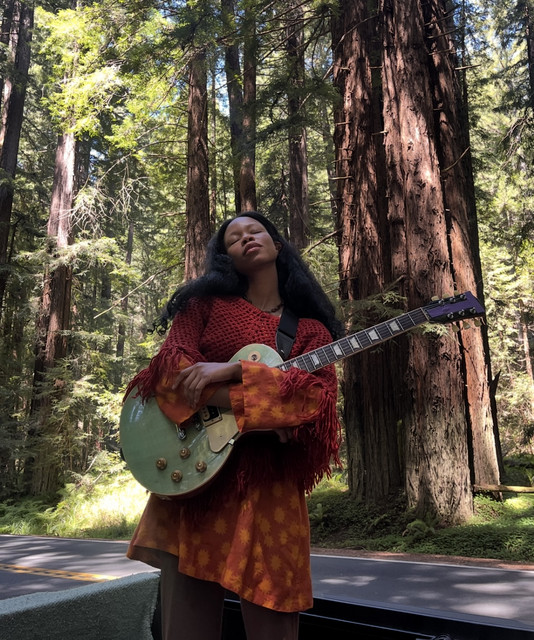

Best playlists
Experimental R&B
Melodigging
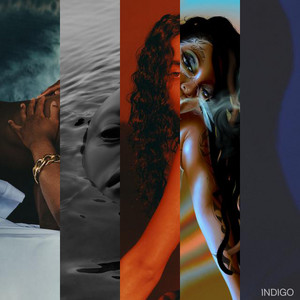
The Sound of Experimental R&B
Every Noise at Once
Experimental R&B
Chosic
Best of Experimental R&B
volt.fm

R&B & Neo Soul Café Playlist (Erykah Badu, Sade, Alicia Keys) w/xBloom | Play this Playlist Ep. 41
Play This Playlist
Influenced by
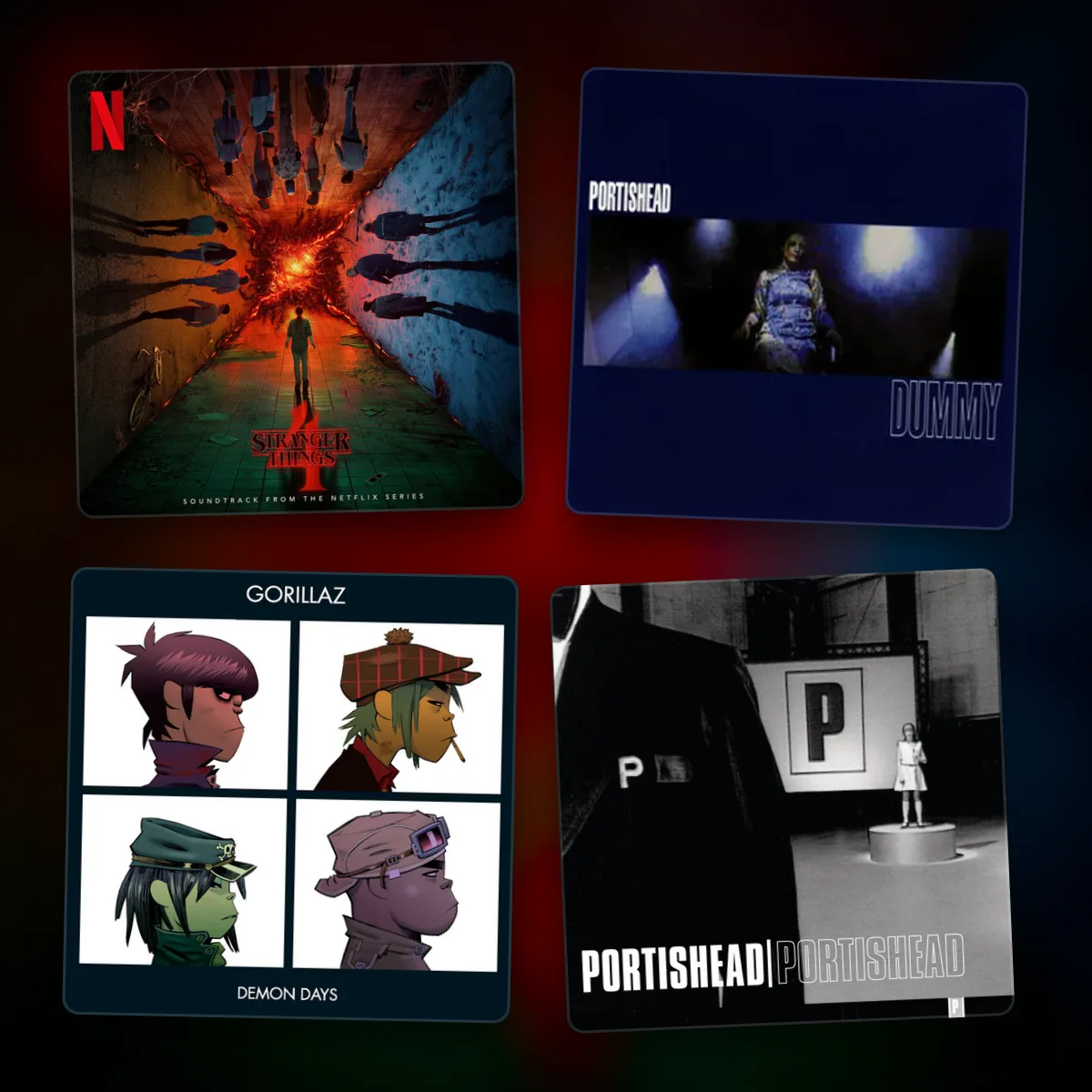
Other similar genres
Genres sharing the most artists with Experimental R&b