Description
Futurepop is a strand of electronic dance music that fuses the melodic focus of synth-pop with the muscular rhythms and worldview of EBM, set to trance- and techno-derived club frameworks.
Often anthemic yet introspective, it emphasizes shimmering leads, arpeggiated sequences, and tight four-on-the-floor beats, while retaining EBM’s dystopian/apocalyptic themes and vocal delivery. The result is sleek, emotive songs designed for dark alternative dance floors, balancing uplifting, trance-like euphoria with noir-tinged lyrical content.
More on: Wikipedia, Rate Your Music, Discogs, MusicBrainz, Every Noise at Once, Wikidata

Futurepop - What is Futurepop Music?
Jonathan Miller Music
History
Origins (late 1990s)
Futurepop crystallized in the late 1990s within the European alternative club circuit, especially in Germany and Scandinavia. Artists emerging from EBM and electro-industrial began adopting trance and techno production techniques—supersaw leads, sidechained pads, longer build-ups—and paired them with synth-pop’s melodic choruses. This hybrid preserved EBM’s lyrical preoccupations (futurism, social collapse, personal struggle) while reformatting songs for peak-time dance floors.
Peak and Codification (early–mid 2000s)
By the early 2000s, futurepop had a recognizable aesthetic: 4/4 kick-driven arrangements around ~128–138 BPM, consonant and memorable toplines, arpeggiated bass sequences, and clean baritone or tenor vocals. Independent European labels and festivals championed the sound, helping it spread across goth/industrial club networks worldwide. The genre’s polished production and hook-forward songwriting distinguished it from harsher electro-industrial and alongside, rather than inside, mainstream trance.
Evolution and Legacy (late 2000s–present)
From the late 2000s onward, futurepop diversified—some acts turned toward broader synth-pop or electro-rock palettes; others reincorporated harder EBM edges. While its commercial peak was earlier, the style remains a staple in dark alternative and cybergoth spaces, and its blend of trance euphoria with industrial thematics influenced later club-oriented dark pop and scene-adjacent productions.
Core Tempo, Meter, and Groove
• Tempo: typically 128–138 BPM in 4/4.
• Drums: solid four-on-the-floor kick, bright offbeat/open hi-hats, crisp claps/snares on 2 and 4; add subtle 16th-note hat patterns for motion.
Harmony and Melody
• Keys: often minor (Aeolian or Dorian) to balance uplift and melancholy.
• Progressions: anthem-friendly cycles (e.g., i–VI–III–VII) support big, singable choruses.
• Leads: trance-style supersaw or bright virtual-analog leads, often with portamento and wide unison detune; use arpeggiators for kinetic hooks.
Sound Design and Arrangement
• Bass: EBM-influenced, sequenced or arpeggiated 8th/16th-note patterns; consider sidechain ducking to the kick for pump.
• Pads: lush, sidechained pads to build euphoria in pre-chorus and breakdowns.
• Structure: DJ-friendly intros/outros; verse–pre–chorus–chorus with one or two breakdown/build sections.
• FX: tasteful uplifters/downlifters and impacts borrowed from trance/techno; keep transitions clean and club-ready.
Vocals and Lyrics
• Delivery: clear, emotive baritone/tenor vocals (often male), occasionally processed with mild distortion or chorus.
• Themes: futurism, technology, dystopia, resilience, personal struggle; keep lyrics direct and memorable for crowd sing-alongs.
Mixing and Mastering
• Prioritize a tight low end (kick–bass relationship); carve space with sidechain and EQ.
• Stereo width on pads/leads, mono-focused lows.
• Master with dance-floor headroom, controlled brightness, and competitive loudness without squashing dynamics.

Top albums
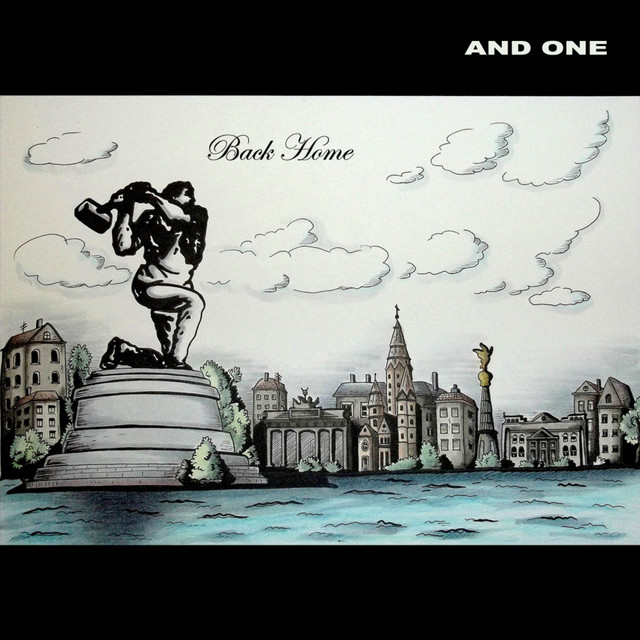

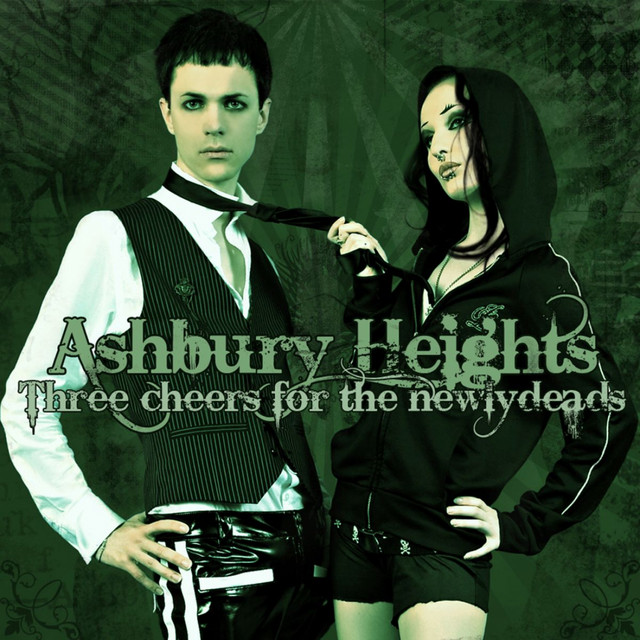
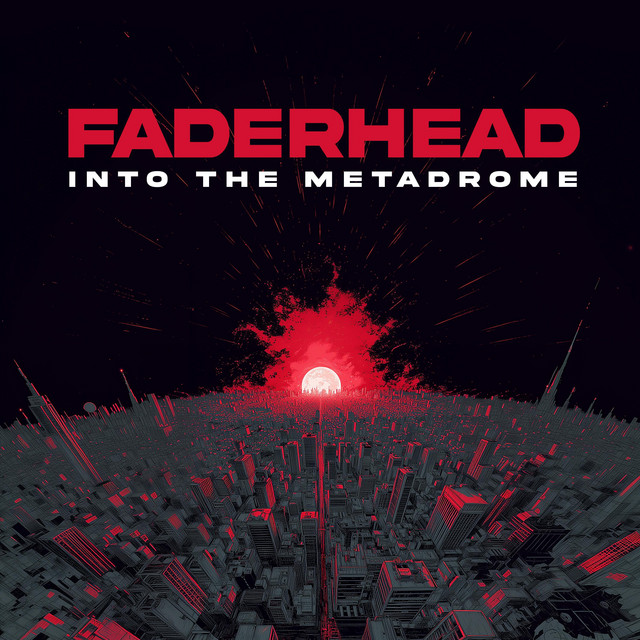



Best playlists


Influenced by



Other similar genres
Genres sharing the most artists with Futurepop