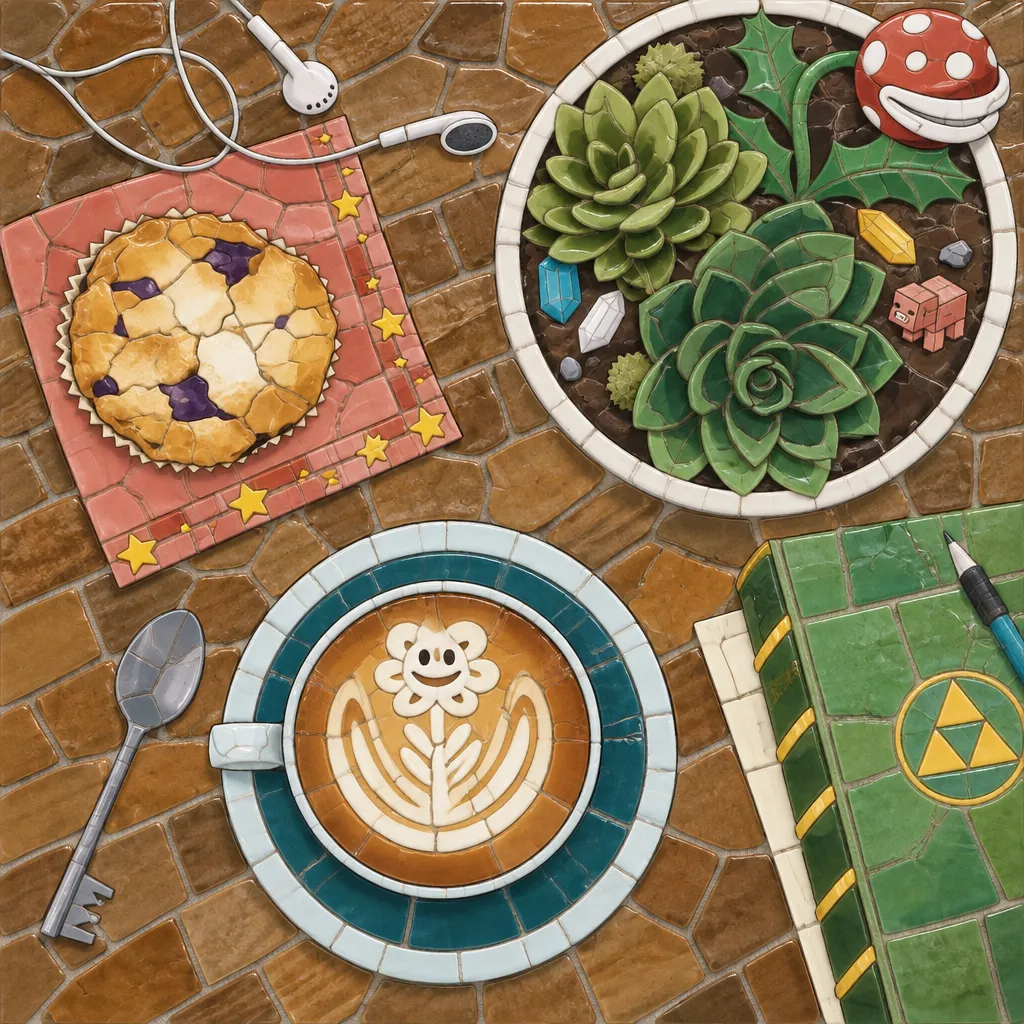
Description
Game mood brings together English-language vocal music ranging from trap-pop and hip-hop to melancholic R&B and electronic pop. Its name comes from Spotify’s genre map Every Noise at Once and the playlist “The Sound of Game Mood”; written accounts of the style are scarce.
Much of the music runs on electronic drums, deep sub-bass and crisp snares or claps, with skittering hi-hats adding a trap-like bounce. Synthesizers supply bell-like notes, plucked figures and atmospheric pads, while some tracks use clean, picked guitar patterns. Fast, driving rhythms often have a slower half-time feel; others leave more space around the beat.
Voices tend to sit prominently in the mix, moving between melodic singing, rap and speech-like phrasing. Layers of harmonies, doubles and ad-libs, along with reverb, delay and pitch processing, give the polished productions a wide sound. Repeating minor-key patterns can feel intimate or anxious, while other tracks project a playful, confident energy. The playlist’s releases are mostly from the early 2020s, with English titles ranging from romantic appeals to boasts and internet-themed phrases.
Based on: Every Noise at Once, Spotify's genre tags and playlist
Build the beat
Program a punchy electronic kick with deep sub-bass, a crisp snare or clap, and quick, rolling hi-hats. Try a driving fast pulse that can also be felt in half-time, or leave more space for a slower track. The bass weight and half-time feel of dubstep offer one useful point of reference.
Create a loop
Start with a repeating minor-key chord pattern. Use plucked synths, bells or a soft pad, and try a clean picked guitar figure for contrast. Future bass is a useful reference for combining melodic synthesizers with a strong electronic low end.
Arrange the voice
Keep the lead vocal upfront, alternating rhythmic lines with a melodic hook. Add doubles, harmonies or ad-libs, then use reverb, delay and pitch processing to give the vocal width while keeping the beat tight and polished.