Description
Goa trance is a subgenre of trance music that emerged in Goa, India in the early 1990s. It is characterized by long, progressively evolving tracks (often 8–12 minutes) built around hypnotic 4/4 beats, drone-like/rolling basslines, and densely layered, rapidly sequenced "psychedelic" melodies.
Its sound palette blends analog acid timbres (notably TB‑303 squelches), bright arpeggiated leads, shimmering pads, and extensive use of delay/reverb to create a spacious, mind-expanding atmosphere. Melodic writing often draws on modal and "oriental"-inspired figures, occasionally referencing Indian scales and timbral cues, while maintaining a Western electronic dance framework at ~135–145 BPM.
As the forerunner of psychedelic trance (psytrance), Goa trance emphasized organic, trance-inducing progression and spiritual/visionary aesthetics, aiming to put dancers into a collective "trance" on open-air beaches and forest dancefloors.
More on: Wikipedia, Rate Your Music, Discogs, MusicBrainz, Every Noise at Once, Wikidata

Goa Trance: How Hippies Accidentally Changed Music Forever
BrainFuel

Goa trance in 80 seconds!
Klaada

Goa Gil: The Untold Story Behind Psytrance & Goa Trance
BrainFuel
History
Roots (late 1980s–early 1990s)
Travelers, DJs, and musicians on Goa’s beaches began blending European electronic dance imports with a local, spiritualized party ethos. Early sets featured acid house, techno, new beat, EBM, ambient, and psychedelic rock, with DJs extending and sequencing tracks into sunrise-to-sunset journeys. This scene supplied both the context and aesthetics—hypnosis, unity, and altered perception—for what became Goa trance.
Codification of the Sound (early–mid 1990s)
Producers translated the DJ-led aesthetic into original compositions: long-form arrangements, rolling/drone-like basslines, layered arpeggios, and acid motifs at ~135–145 BPM. UK, Israeli, French, Italian, and Japanese artists and labels (e.g., Dragonfly, TIP Records, Matsuri Productions, Blue Room Released) helped define the style and export it globally from the Goa party circuit.
Peak and Globalization (mid–late 1990s)
Festivals and international club circuits embraced the sound. Goa trance’s signature—rapid, modal/"oriental"-tinged leads, analog squelch, and progressive builds—spread quickly. As production became tighter and darker or more streamlined, the scene diversified.
Evolution into Psytrance and After (late 1990s–2000s)
By the late 1990s, Goa trance evolved into psychedelic trance (psytrance), retaining the trance-inducing ethos but emphasizing cleaner, harder kicks, more minimal bass phrasing, and sharper sound design. Substyles such as full‑on, dark psytrance, morning psytrance, forest, and hi‑tech trace directly back to Goa’s architecture. From the 2000s onward, “new-school Goa” revivals kept the melodic, organic spirit alive while adopting contemporary production tools.
Tempo, Rhythm, and Groove
• Set tempo between 135–145 BPM in 4/4 time.
• Use a steady, punchy kick and a rolling, drone-like bassline (often 16th‑note patterns or subtly syncopated ostinatos) that sustains momentum without excessive sidechain pumping.
• Program evolving percussion: crisp 909/808 hats and rides, offbeat open hats, and shifting shakers to reinforce hypnosis.
Sound Design and Timbre
• Lean on classic analog/acid tones: TB‑303 squelches, warm polysynth pads, PWM leads, and layered arpeggios.
• Employ long delays, ping‑pong echoes, and plate/hall reverbs to create a spacious, psychedelic field.
• Add ear‑candy FX (filters, FM bleeps, formant sweeps) and occasional ethnic/field recordings (chants, bells, sitar drones) used tastefully.
Harmony and Melody
• Favor modal writing (Phrygian, Dorian, harmonic minor colors) and raga‑like motifs; use rapid, ornamented lead lines and call‑and‑response arpeggios.
• Keep chord changes sparse; let evolving motifs, counter‑melodies, and filter automation supply movement.
Arrangement and Progression
• Aim for 8–12 minute structures with multiple sections: long DJ‑friendly intro, incremental layering, 1–3 breakdowns, and progressively higher‑energy peaks.
• Automate filters, envelopes, and effects to reshape recurring motifs across the arrangement; emphasize gradual transformation over abrupt drops.
Mixing and Performance
• Prioritize a tight low‑end (solid kick/bass separation via precise EQ and envelope control), bright but smooth highs, and a wide stereo field for leads and FX.
• Design tracks for long DJ blends and sunrise/sunset moments—intros/outros with reduced density help transitions.
Creative Touchstones
• Preserve the “organic” feel: slightly imperfect modulation rates, evolving textures, and hand‑played embellishments.
• Keep the dancefloor in mind while sustaining a meditative, visionary arc.

Creating Goa-Trance 1 - The Kick and Bass, how it differs from traditional Psy-Trance
Dash Glitch

Goa/PsyTrance TUTORIAL - Multifunctional 303 - Trance Pluck - Super Saw
JediMaster Studio

Syncopation - The Secret Sauce to Make Your Goa Trance Groove ( Ableton Live 12 tutorial )
JaraLuca Studio

How to Make GOA Trance 🕉️ Tutorial and Old School Jam (DAWless)
CephalosMusic

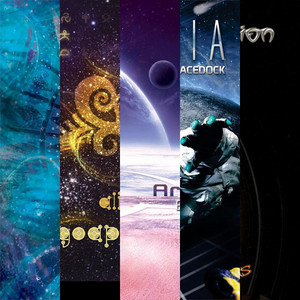
Top albums
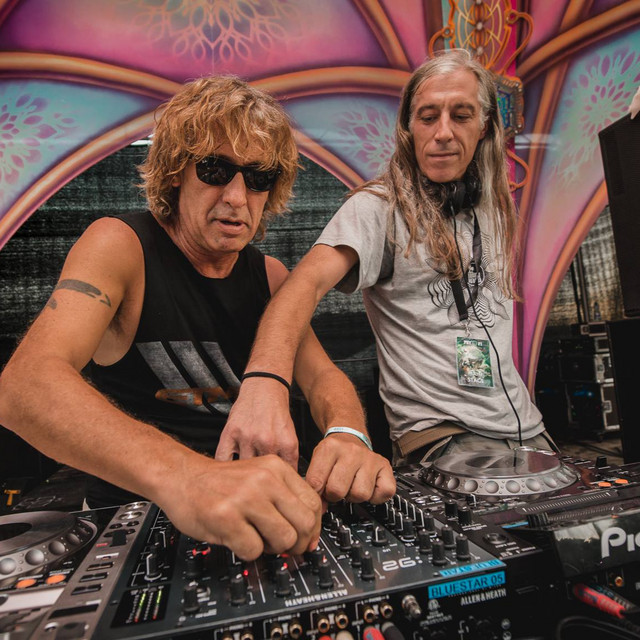
Best playlists


Influenced by

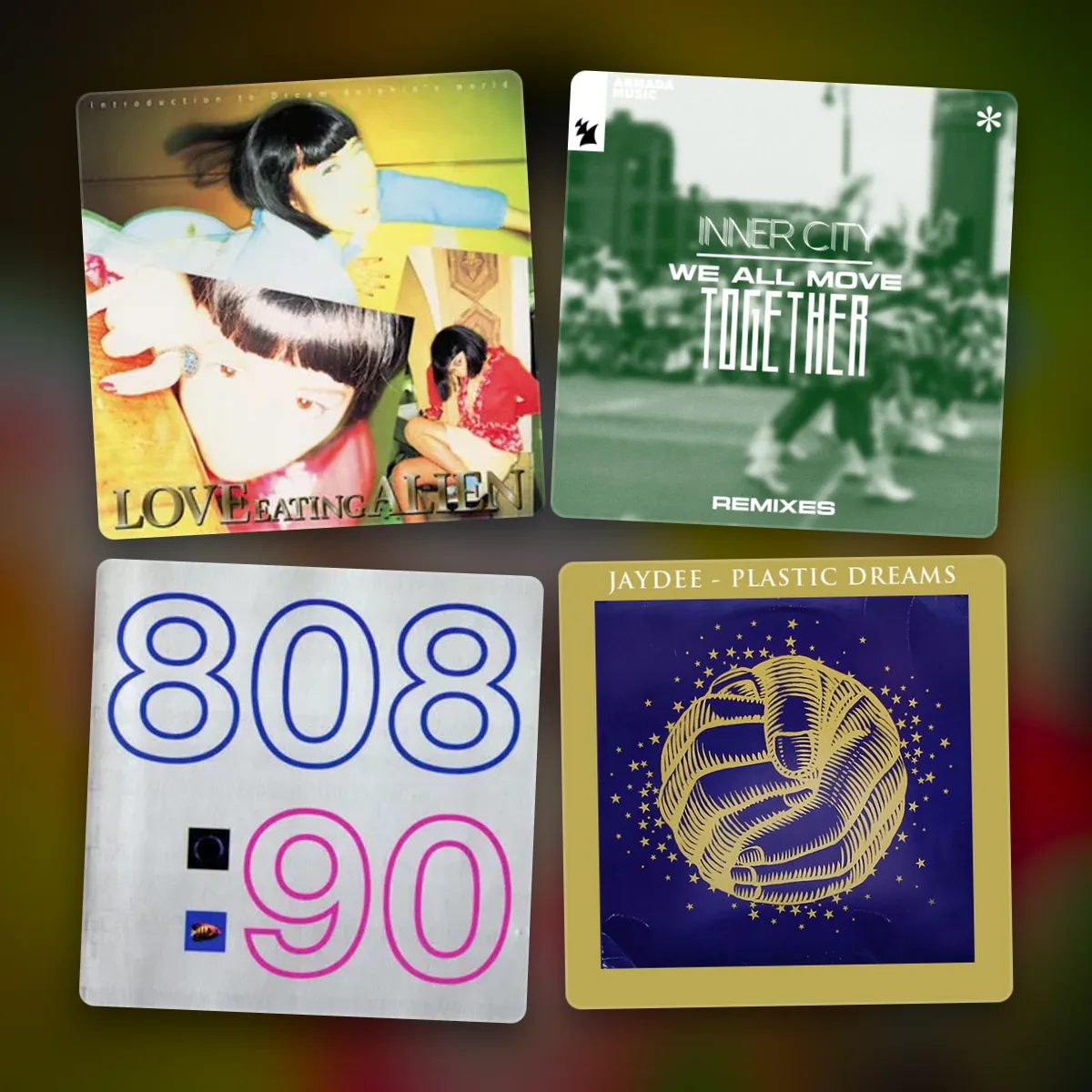


Has influenced


Other similar genres
Genres sharing the most artists with Goa Trance